If you have stains on your teeth or your teeth discoloured. Chances are that you have already gone to fantastic lengths to try to solve the teeth stain problem. They may firstly not work well enough. And second, their failure may have convinced you that some dental problems are too permanent to be cured. Yellow teeth stain treatment need to be aesthetically treated for an appealing look. Why suffer socially and psychologically with a discoloured or yellow teeth smile? You can do something about it now!
Who is this article for?
- People with yellow or stained teeth.
- Individuals who consume tea, coffee, wine, or tobacco regularly.
- Patients looking for professional teeth stain treatment.
- Anyone considering cosmetic dentistry to improve their smile.
- People who want long-lasting solutions for tooth discoloration.
Why do Teeth stain or get discoloured?
Teeth may stain due to food and drinks, tobacco, poor oral hygiene, plaque, tartar, ageing, enamel wear, certain medicines, fluorosis, trauma, or old fillings and crowns. Some stains sit on the surface of the tooth, while others are deeper inside the enamel or dentin. Surface stains are usually easier to treat, while deeper stains may need whitening, bonding, veneers, or crowns.
A second class of stains caused by calculus, or tartar, and soft deposits on the teeth. These appear as dark areas around the gum line, most often on the lower front teeth. Often bacterial in origin, these stains may be the result of ineffective oral hygiene. But whatever their cause successful treatment is available. It consists of frequent stain removal through dental scaling and polishing.
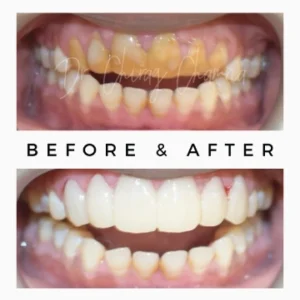
The third class includes teeth stain that unfortunately incorporated into basic tooth structure. Through faulty hardening of the tooth before birth or the interruption of normal enamel formation by medication or disease. The bad news is that no matter how much you scrub your teeth, these stains permanently locked in. The good news is that, because of recent breakthroughs in cosmetic dentistry; dentists can now, restore your discoloured teeth in one day. With true beauty, lustre, and natural appearance with a minimum of time and discomfort and at little cost to you. The usual time frame for crowning is 1 working day.
Surface stains vs deep stains
Surface stains, also called extrinsic stains, are usually caused by tea, coffee, tobacco, coloured foods, plaque, and tartar. These may improve with professional cleaning and polishing. Deep stains, also called intrinsic stains, are present inside the tooth structure and may need professional whitening or cosmetic dental treatment. The American Dental Association notes that whitening can work on both extrinsic and intrinsic staining, but only natural teeth whiten, not tooth-coloured restorations.
Some case studies that you would relate to?
Scenario 1: Due to non-replacement of a defective filling, the fillings become a source of bacterial plaque accumulation.
It noteworthy in this stage the gums also become red and reduce in size. In such cases either replacement of the filling or in extreme cases even a full crown may required. Any such procedure can be finished on the same day itself. In case of long standing discoloured, decayed, and chipped teeth a professional cleaning recommended. And then restoring the tooth with core build up or composites. After the core build up final reshaping of the tooth done. Then plaque resistance polymer crowns can fixed to obtain a beautiful look.
Polishing is the simplest method and will take care of some food stains, the origin of which most often attributed to drinking coffee or tea. However, excessive hello stains or discoloured teeth from coffee, tea, or smoking may not be so easily removed. Tetracycline stains, fluoride stains, and stains that result from actual damage to the tooth not removed by polishing, but they may treated by another alternative. This reduces the yellow look on teeth.
Scenario 2: The stains caused by tea or coffee consumption may not go despite frequent cleaning. As these stains tend to return rapidly.
In such cases it recommended. That a professional cleaning and a bonding agent used to reduce the porosity of the teeth. Also, reduction in the habit is advisable. The life cycle of the bonding agent, around 6 months and thereafter the process repeated. If an individual is looking for a long-term solution then alternates such as crowns and veneers are available.
Bonding basically involves adding a plastic material to the existing tooth to simply cover the stain. The composite resin bonding technique has used more and more often during the last twenty years. Bonding is not always a cure-all for problem stains. A longer-lasting solution is crowning, which requires taking away some of the tooth that can’t be replaced, and then covering what remains with a custom-made tooth.
Scenario 3: In cases where the teeth crowded, misshaped or misaligned, crowning may be required.
In such cases the teeth enamel reduced and the tooth reshaped along with de-sensitization. Then the measurements taken and your final teeth caps made in the laboratory. Use of the high impact polymers have a distinct advantage of being shock absorbable (SAPTeeth) along with plaque retention free. They have a higher strength that the natural tooth and hence increase the life of the tooth as well.
How to Prevent Teeth Stains
Brush twice daily, clean between teeth, rinse after tea or coffee, reduce tobacco use, avoid frequent coloured drinks, and visit the dentist for regular cleaning. Patients who frequently get stains may need polishing, oral hygiene correction, or evaluation for enamel roughness, old fillings, mouth breathing, or plaque-retentive areas.
- Maintain good oral hygiene.
- Limit tea, coffee, tobacco and smoking.
- Visit your dentist for regular cleaning.
- Avoid chewing hard objects like ice.
- Schedule professional dental check-ups.
Can dental cleaning remove teeth stains?
Professional dental cleaning can remove plaque, tartar, and many surface stains. It can make teeth look cleaner and fresher, but it is not the same as bleaching or whitening. If the stain is inside the tooth, cleaning alone may not be enough.
When is teeth whitening recommended?
Teeth whitening may be recommended when natural teeth are yellow or discoloured but structurally healthy. Whitening works best when stains are related to age, food, beverages, or mild internal discoloration. It may not change the colour of crowns, veneers, fillings, or deep structural defects.
When bonding, veneers or crowns may be needed?
Bonding, veneers, or crowns may be considered when stains do not respond to cleaning or whitening, or when teeth are chipped, worn, fluorosed, root-canal-treated, heavily filled, or structurally weak. Bonding is more conservative, veneers improve the front surface, and crowns provide full coverage when strength is also required.
Conclusion
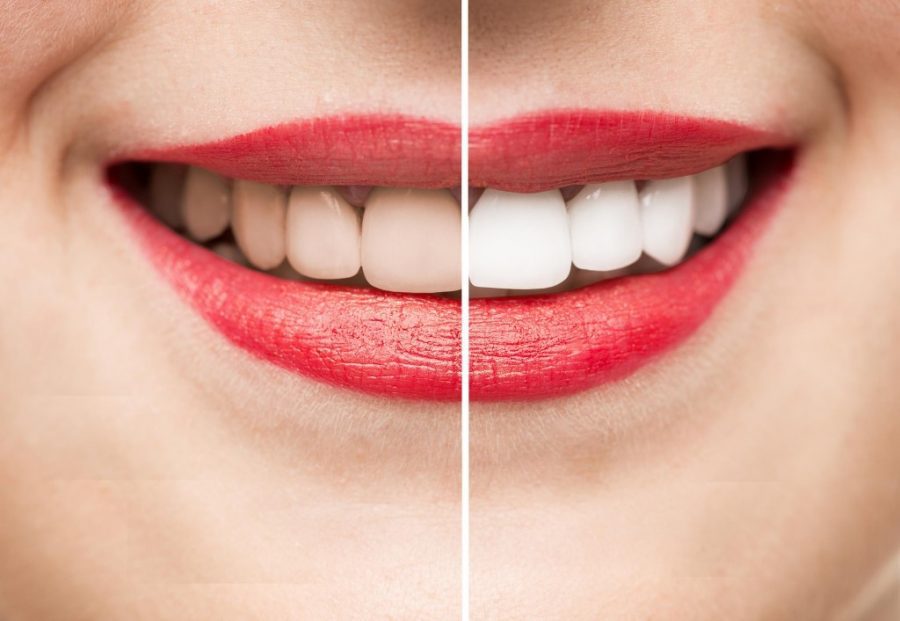
Teeth stains can occur for many reasons, ranging from food and beverages to ageing, medications, and poor oral hygiene. The right treatment depends on the type of stain and its severity. Professional evaluation can help determine whether polishing, teeth whitening, bonding, veneers, or crowns are the best option. Early treatment not only improves your smile but also supports better long-term oral health.
FAQ’s
1. What causes yellow teeth?
Yellow teeth can result from plaque buildup, tea or coffee consumption, smoking, ageing, certain medications, or enamel wear.
2. Can professional teeth cleaning remove all stains?
Professional cleaning removes most surface stains, but deeper intrinsic stains may require whitening, bonding, veneers, or crowns.
3. Is teeth whitening safe?
Yes. Professional teeth whitening performed by a qualified dentist is safe and provides better results than over-the-counter products.
4. How long do teeth whitening results last?
With proper oral hygiene and reduced consumption of staining foods and drinks, results can last from several months to a few years.
5. When are dental crowns recommended for stained teeth?
Crowns are recommended when teeth are severely discoloured, damaged, or structurally weakened and cannot be improved with whitening alone.
Concerned about yellow or stained teeth?
Book a consultation with the experts at Royal Dental Clinics to receive a personalized treatment plan. Whether you need professional cleaning, teeth whitening, bonding, veneers, or crowns, our specialists can help you achieve a brighter, healthier smile. Contact us today for a consultation or a second opinion.
© All rights reserved by Royal Dental Implants Pvt Ltd
Issued in public interest