

Introduction
Wisdom teeth, also called third molars, are the last teeth to develop and appear at the back of the mouth. They often come in during the late teens or early adulthood, though timing varies. Some emerge without noticeable symptoms; others may cause tenderness or pressure behind the last molars, particularly if a tooth is only partly through the gum or lacks space.
The most common signs of wisdom teeth eruption are:
- Tenderness or pressure behind the last molar: The gum or back of the jaw may feel sore or pressured.
- Swollen or sensitive gum: The gum around a partly emerging tooth may become tender or inflamed.
- A tooth edge visible at the back of the mouth: You may see or feel a new molar behind the second molar.
- Food getting trapped near the tooth: A partly covered tooth can make the area harder to clean and may be associated with gum irritation or an unpleasant taste.
- Jaw discomfort or difficulty opening your mouth: Persistent or worsening discomfort should be assessed by a dentist.

What to do when the teeth erupt?
Most don’t even know when the teeth are erupting. But if you are being bothered by it, then you should do the following:
- Keep the area of the tooth clean by brushing well.
- Use mouthwash or salt with lukewarm water gargles.
Wisdom Tooth Treatment: What to Expect
Wisdom tooth treatment depends on whether the tooth is healthy, easy to clean and causing symptoms.
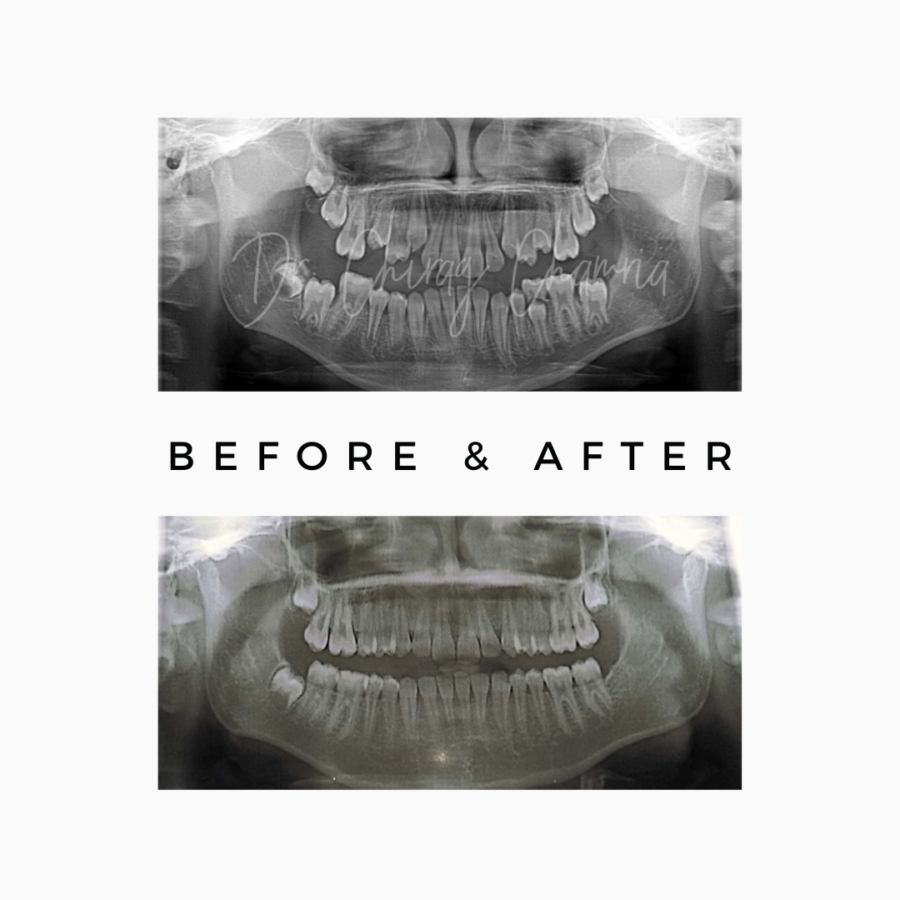
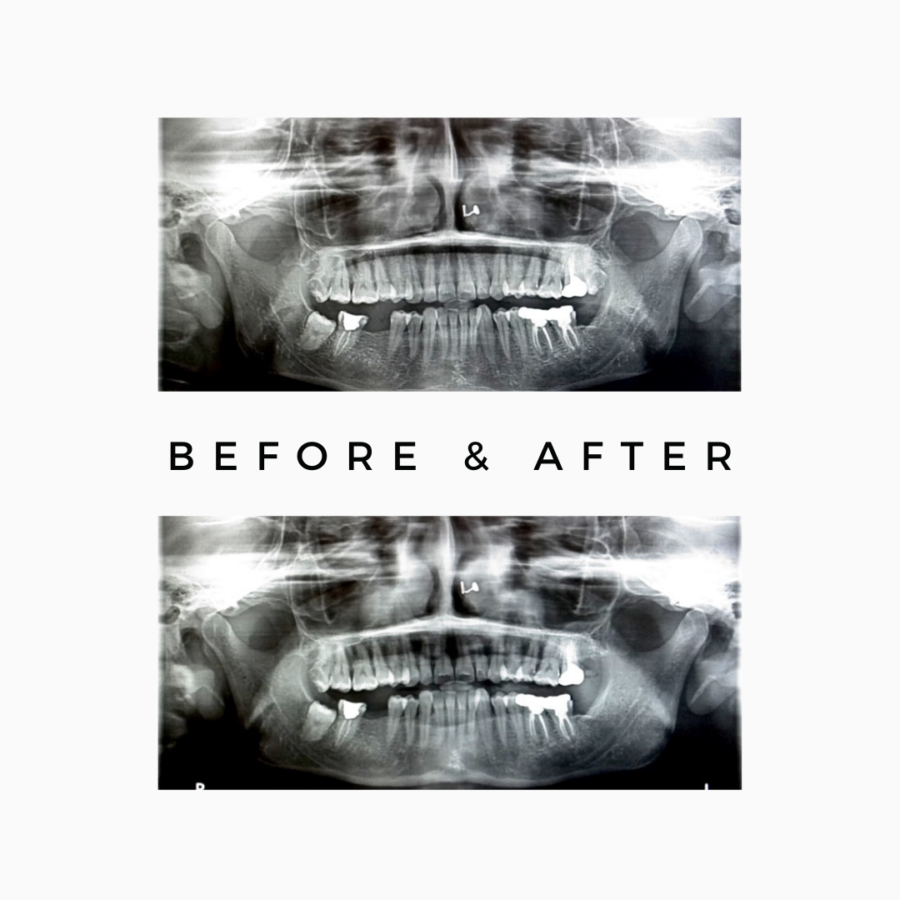
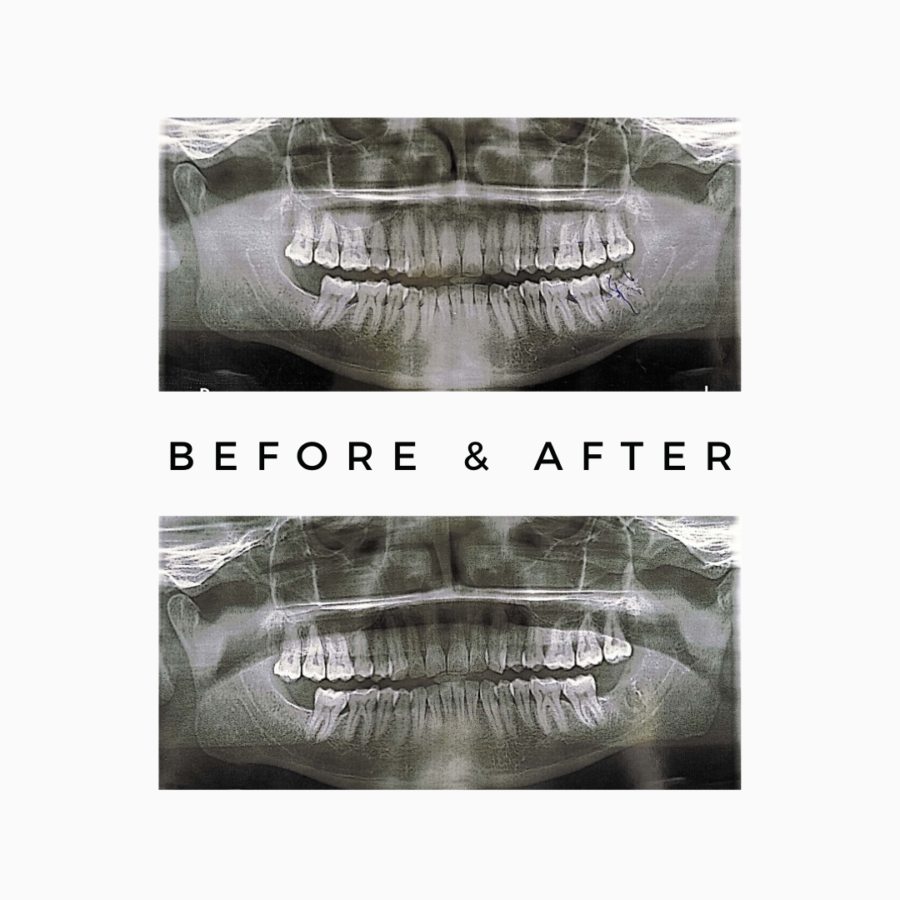
- Dental assessment: Your dentist will ask about your symptoms and examine the tooth and surrounding gums. X-rays may be recommended to check the tooth’s position and roots.
- Choosing a treatment: If the tooth is healthy and not causing problems, your dentist may recommend monitoring it. If it is causing repeated infection, decay, an abscess or damage to a nearby tooth, removal may be considered.
- Removal, if recommended: The area is usually numbed with local anaesthetic. For an impacted tooth, the dentist or oral surgeon may make a small gum incision and may need to remove a little bone or divide the tooth into sections. Stitches may be used. Sedation or general anaesthesia may be discussed in selected cases.
- Aftercare and review: You’ll receive instructions for caring for the area and managing recovery. Follow your dental team’s guidance, since recovery and follow-up can vary depending on the procedure.
When to visit a Dentist?
Arrange a dental assessment if pain or gum swelling persists or keeps returning. Contact a dentist promptly if you notice pus, a bad taste with swelling, fever, facial swelling, or difficulty opening your mouth or swallowing. A dental examination, and imaging when clinically indicated, can help assess the tooth’s position and the surrounding area.
Conclusion
Signs such as gum tenderness or pressure at the back of the mouth may occur as a wisdom tooth comes in, but they do not show whether it is erupting normally or becoming impacted. Not every wisdom tooth needs to be removed; a dentist can assess its position and recommend monitoring or treatment based on your symptoms and oral health. Arrange a dental check if pain or swelling persists or keeps returning. Seek prompt care for fever, pus or a bad taste, or difficulty opening your mouth or swallowing.
FAQs
At what age do wisdom teeth usually come in?
Wisdom teeth often appear in the late teens or early adulthood, but the timing varies. Some people’s wisdom teeth erupt later, remain partly under the gum, or never become visible.
Can wisdom teeth come in without pain?
Yes. Some wisdom teeth erupt without noticeable symptoms. A dentist can check their position during an examination.
Do wisdom teeth cause front teeth to become crowded?
Front-tooth crowding can have several causes. Current evidence does not support wisdom teeth as a reliable cause, so crowding alone is not a dependable sign that they are erupting.
Does everyone need to have their wisdom teeth removed?
No. Removal depends on the tooth’s position, health, function, and whether it is causing or likely to cause a problem. Healthy, functional wisdom teeth may be monitored by a dentist.
How long does it take for a wisdom tooth to erupt?
The timing varies from person to person. A wisdom tooth may emerge gradually, remain partly covered by gum, or stay impacted. An examination can clarify what is happening.
When should I see a dentist about an erupting wisdom tooth?
See a dentist for persistent or recurring pain or swelling. Seek prompt advice for fever, pus, facial swelling, difficulty opening your mouth, or difficulty swallowing.
All rights reserved by Royal Dental Implants Pvt Ltd., issued in public interest