
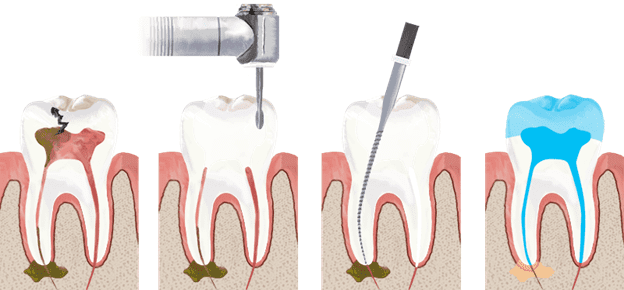
Root canal treatment is one of the most common and effective procedures for saving a damaged or infected tooth. The procedure involves cleaning out the infected pulp, sterilizing the tooth’s interior, and sealing it to protect it from bacteria. While the treatment itself is generally considered safe, many people don’t realise that it may come with long-term side effects that could affect their oral health. These long-term side effects of root canal treatment can range from mild discomfort to more serious issues that may compromise the success of the procedure. It’s important to be aware of these potential complications so you can seek timely care and maintain your smile for years to come.
By understanding what to watch for, you can take steps to address concerns before they escalate, ensuring your teeth stay strong and healthy. Let’s explore some of the most common long-term effects of root canal treatments, including myths and risks, and how to manage them.
Myths About Root Canal Side Effects
There are many myths about root canal treatments that can create unnecessary fear. Some of them are:
Myth 1: Root Canals Cause Systemic Illness
Fact: There is no scientific evidence linking root canal treatment to systemic illnesses like heart disease or arthritis. These claims are often based on unproven theories and anecdotal reports.
Myth 2: Root Canals Are Painful
Fact: Modern dental techniques and anesthesia make root canal procedures relatively comfortable. Although there might be some discomfort during the treatment, many patients experience little to no pain afterward.

Myth 3: Root Canals Weaken Teeth
Fact: Root canal treatment actually helps to strengthen a weakened tooth by removing infected tissue and sealing the root canals. However, the tooth may still be more susceptible to fractures due to its previous condition.
Myth 4: Root Canals Are a Temporary Solution
Fact: When performed correctly, root canal treatment can be a long-lasting solution. With proper care, a treated tooth can last for many years.
Myth 5: Root Canals Always Require a Crown
Fact: While a crown is often recommended to protect a treated tooth, it is not always necessary. The decision to place a crown depends on the condition of the tooth and the dentist’s assessment.
Myth 6: Root Canals Are Harmful to the Body
Fact: Root canal treatment is a safe and effective procedure. The materials used in root canals are biocompatible and do not pose any harm to the body.
Why Would A Root Canal Cause Any Trouble?
A root canal can cause trouble if the procedure doesn’t fully remove the infection or if hidden canals are missed, allowing bacteria to persist. Additionally, a treated tooth can become more brittle, making it prone to fractures without proper restoration, like a crown. Cracks in the tooth, unnoticed during the procedure, may also let bacteria back in, leading to reinfection. In rare cases, irritation or injury to nearby tissues or nerves can result in lingering pain or numbness. Ensuring timely follow-up and proper care can help prevent or resolve most of these issues.
For the best care and advanced root canal treatments in Mumbai, consult Dr. Chirag Chamria at Royal Dental Clinics. With his expertise in complex dental procedures, Dr. Chamria ensures precision and comfort, helping you maintain your oral health and prevent complications.
Long-Term Side Effects Of Root Canal Treatment
While root canal treatment is highly successful in treating tooth infections and preserving natural teeth, it can occasionally lead to long-term side effects. These side effects, though not common, should be understood to help patients monitor their oral health after the procedure.
- Tooth Discoloration: After a root canal, the tooth can darken over time, often due to the removal of the tooth’s inner pulp, which cuts off the blood supply. This discoloration is purely cosmetic but may require whitening or veneers if it becomes a concern.
- Brittle Teeth: A tooth that has undergone root canal treatment tends to become more brittle because the procedure removes the tooth’s natural pulp, leaving it without its primary source of nourishment. Without a crown, this can lead to cracks or fractures over time, making the tooth more susceptible to damage.
- Recurring Infections: Though root canal procedures aim to eliminate infection, bacteria can sometimes remain or re-enter the tooth if not thoroughly cleaned or properly sealed. This can cause recurring infections, which may require re-treatment or an apicoectomy.
Few more … Long-Term Side Effects Of Root Canal Treatment
- Nerve Damage: In rare cases, root canal treatment may irritate or damage surrounding nerves, causing persistent pain or numbness. This can result in conditions such as trigeminal neuralgia, a chronic pain condition affecting the facial nerves.
- Sinus Problems: For upper teeth, root canal treatment can sometimes cause sinus complications due to the close proximity of the tooth roots to the sinus cavity. This can result in sinus infections, pressure, or headaches in some cases.
- Jaw or Facial Pain: Occasionally, patients may experience jaw or facial pain long after the procedure due to nerve irritation or an unresolved infection. This discomfort may need further assessment by a specialist.
- Inflammation or Gum Issues: Poorly fitted crowns or untreated gum issues around a root canal-treated tooth can cause inflammation or lead to periodontal disease. This, in turn, could result in bone loss or instability of the treated tooth.
- Incomplete Healing: Sometimes, a root canal may not completely heal, leading to the formation of a cyst or abscess at the root tip. This can go unnoticed for months or years and may require surgical intervention.
Despite these potential long-term side effects, root canal treatments are generally successful and crucial in saving a natural tooth. With regular dental check-ups, good oral hygiene, and timely restorations like crowns, most complications can be prevented or effectively managed.
For expert care and advanced root canal treatments, consider visiting Dr. Chirag Chamria at Royal Dental Clinics in Mumbai. His expertise in handling complex cases ensures that you receive the best possible root canal treatment, minimizing the risk of long-term side effects while preserving your natural smile.
How to Minimise Risks from Root Canal Treatment
Choose a qualified dentist: The success of a root canal largely depends on the skill and expertise of the dentist performing the procedure. Opt for a highly qualified endodontist or experienced dental professional like Dr. Chirag Chamria, who specializes in complex dental treatments, to reduce the risk of complications.
Follow post-treatment instructions: Adhere to your dentist’s recommendations for oral hygiene, pain management, and follow-up appointments.
Get a Dental Crown: After a root canal, the tooth may become more fragile and prone to fractures. Placing a crown over the treated tooth provides protection, strengthens the tooth, and helps prevent further damage or infection.
Maintain good oral hygiene: Brush your teeth twice a day, floss regularly, and avoid excessive sugar intake.
Avoid excessive biting or chewing on the treated tooth: This can increase the risk of fractures.
Attend regular dental check-ups: Regular dental examinations can help identify and address potential issues early on.
By taking these precautions, you can significantly reduce the likelihood of complications and improve the long-term success of your root canal treatment.
Frequently Asked Questions
1. What are the common long-term side effects of root canal treatment?
Common long-term side effects of root canal treatment include tooth discoloration, brittleness leading to fractures, recurring infections if bacteria remain in the tooth, and rare cases of nerve damage causing pain or numbness. Some patients may also experience sinus problems if the treated tooth is close to the sinus cavity.
2. Why can a root canal-treated tooth become brittle?
A tooth becomes brittle after a root canal because the inner pulp, which nourished and strengthened the tooth, is removed. Without this nourishment, the tooth becomes more fragile over time. This is why a dental crown is often recommended to protect and strengthen the tooth.
3. Can a root canal fail after several years?
Yes, although rare, root canal treatments can fail years after the procedure due to re-infection, untreated or missed canals, or cracks in the tooth that allow bacteria to enter. Regular dental check-ups identify these problems in their early stages.
4. Is it common for a root canal-treated tooth to become discolored?
Yes, discoloration is a common side effect after a root canal. The treated tooth may darken due to the removal of the pulp and blood supply. This can be treated with whitening procedures, veneers, or crowns for aesthetic purposes.
5. Can root canal treatment cause long-term pain?
Most patients experience relief after a root canal, but some may experience lingering pain or nerve sensitivity due to inflammation, improper healing, or rare nerve damage. If pain persists, it’s essential to consult your dentist.
6. How can I prevent complications after a root canal?
You can minimize complications by following your dentist’s instructions, maintaining good oral hygiene, getting a dental crown to protect the treated tooth, and attending regular dental check-ups. Addressing any unusual symptoms promptly also helps in preventing serious issues.
7. Can a root canal cause an infection to return?
Yes, if the root canal was not fully cleaned, if there are cracks in the tooth, or if the restoration (crown) doesn’t properly seal the tooth, bacteria can re-enter, leading to a recurring infection. In such cases, re-treatment may be required.
8. Is a dental crown necessary after a root canal?
In most cases, a dental crown is highly recommended after a root canal because the tooth becomes more fragile and prone to damage. A crown protects the tooth from fractures and prolongs its life.
9. What should I do if I experience long-term side effects after my root canal?
If you experience persistent pain, swelling, sensitivity, or any other concerning symptoms, contact your dentist immediately. Early intervention can help address these issues and prevent further complications.
For more detailed advice or treatment, consult Dr. Chirag Chamria at Royal Dental Clinics in Mumbai, where his expertise ensures you receive the best care with minimal risk of long-term side effects of root canal treatment.
All rights reserved by Royal Dental Implants Pvt Ltd., issued in public interes