
Royal Dental Clinics believes the festive season should be filled with celebrations, not dental problems. Holiday treats, sugary snacks, and disrupted routines can increase the risk of cavities and gum disease if proper oral care is neglected. In this guide, our dental experts share simple yet effective tips to help you and your family maintain healthy teeth and enjoy a cavity-free season of joy. Royal Dental Clinics wishes you a great holiday season filled with family, friends, food, more sweets. Keep a watch on your oral health and how to be cavity free.
Who Is This Article For?
- Families celebrating the festive season.
- Parents looking to protect their children’s oral health.
- Individuals with a sweet tooth.
- Patients who frequently attend holiday parties.
- Anyone wanting to prevent cavities and maintain healthy teeth.
This is the Season to Be Cavity Free
The holiday season is on the countdown and that means fun times with family and friends, lots of food, and probably more sweets. But while you are busy in your merriment, certain foods could mean danger for your mouth and overall oral health. With lots of gatherings and parties, your routine and habits out the window. So Royal Dental Clinics are caretakers of your oral health have put together a few tips, to help you and your family stay cavity-free this season of Joy.
Stick to your routine, or at least try to!
As per Dr. Chirag Chamria, practicing Oral and Maxillofacial surgeon at Royal Dental Clinics, “Brushing your teeth twice a day is one of the most prominent solutions to reduce the risk of developing not just tooth decay, but also gum disease”. With holidays, parties, and weddings to attend; this routine of brushing your teeth twice can be easily disrupted. So no matter how busy or tired you are, sticking to this routine of brushing your teeth twice a day will go a long way for your oral health.

Watch what you Eat with care.
It sure is the holiday season and having the regular 3 meals a day along with in between snacking is common. However, here’s where things start going downhill for your teeth. Snacking frequently is probably the most harmful thing for your teeth.
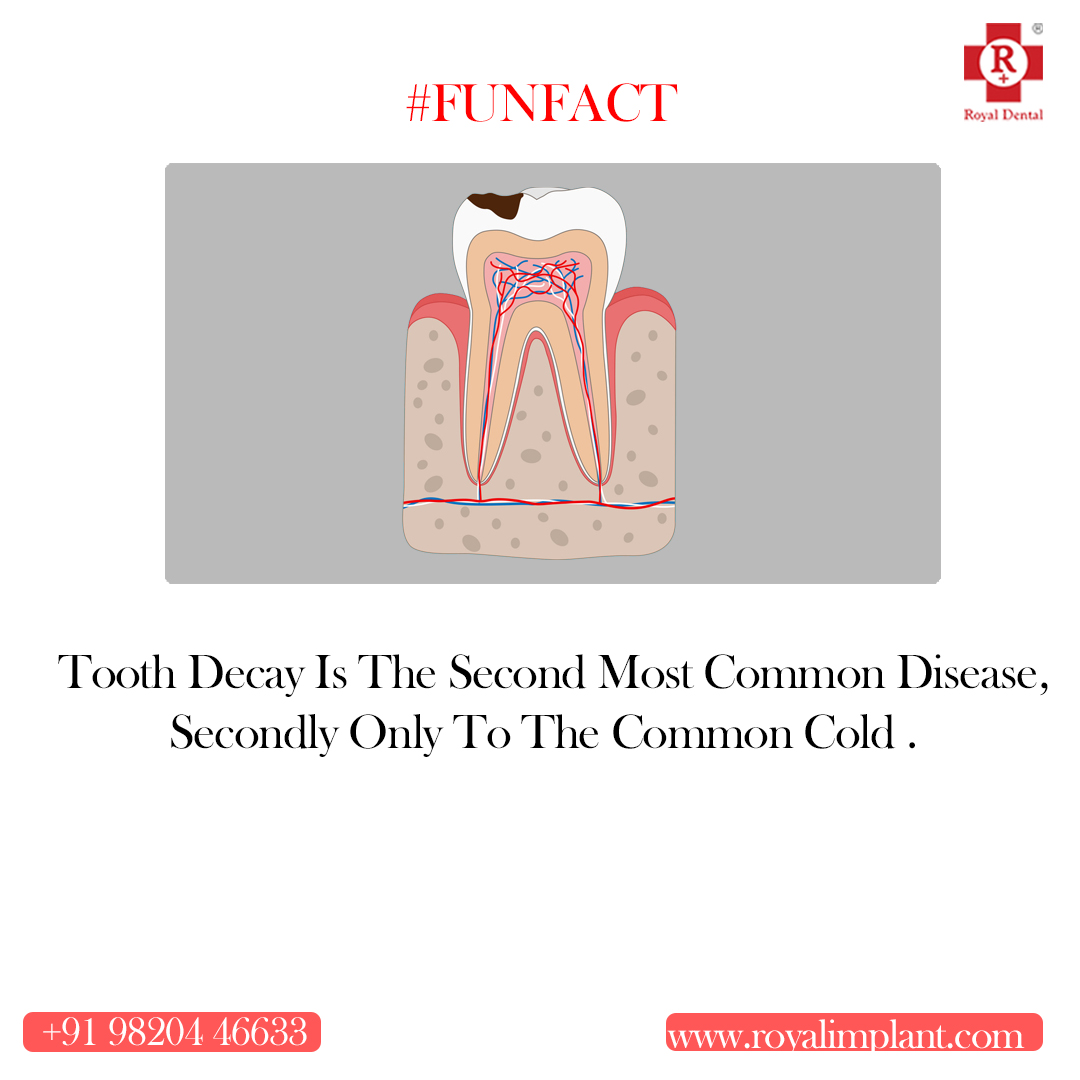
The more often we feed sugar to the decay-causing bacteria in our mouths the more often our teeth get exposed to the acid that these germs produce. A healthy mouth can handle 4 to 5 acid surges a day before it is overwhelmed and enamel begins to break down. If you snack too often, your saliva is not able to reach a natural balance. That is how tooth decay begins to develop in most cases. Tooth decay in turn leads to holes in your teeth, potential infection, and pain, which translates to more trips to the dentist.
Snack Smarter says Royal Dental Clinics
Dr. Chirag Chamria advises that if you find yourself snacking regularly, try to restrict having sweets and sugary snacks. This includes sweets and aerated drinks as well. Saliva production manifolds during a large meal and helps to wash away any remaining bits of food stuck to your teeth. Saliva also helps to neutralize the acid produced by the germs in your mouth.
However, if you are looking for a snack, try to choose a healthier one – like nuts or cheese. As such snacks are teeth-friendly and also keep you full for longer. Drinking some water after each meal/snack is a good practice that enables rinsing food bits from the mouth.
Stay Hydrated!
Well, stay hydrated with not the sugar-filled varieties of beverages but with pure water.
It’s easy to forget to drink the recommended 8 glasses of water a day if you’re on a holiday or excited to catch up with friends and family or party. Staying hydrated is not only important for your oral health but also your overall health.
If your body is dehydrated, lesser saliva is produced. Less saliva translates to less protection for your teeth. Please note that germs in your mouth make acid after eating and drinking, and when saliva is less it lingers on your teeth. More acid means your teeth are more vulnerable to tooth decay. So try to sip water throughout the day at intervals and limit your intake of aerated drinks.
Protect Your Teeth After Holiday Treats With Royal Dental Clinics
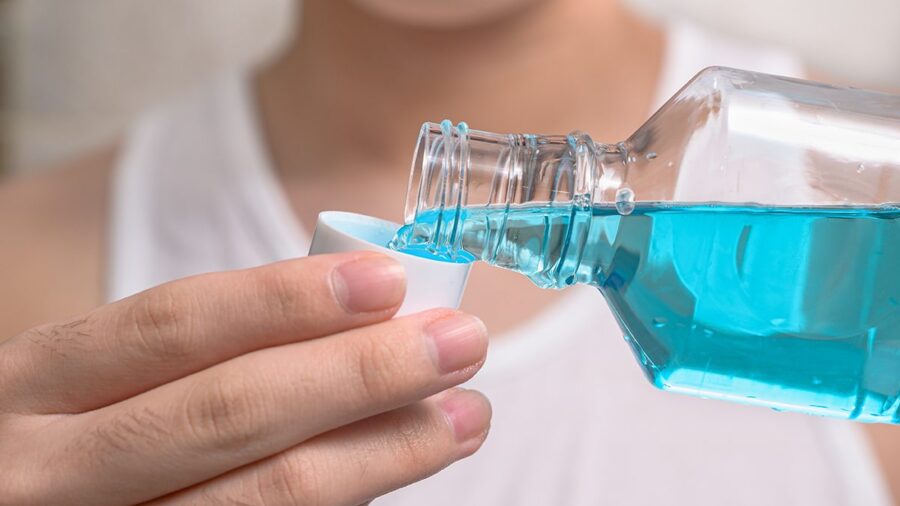
Enjoying festive desserts is part of every celebration, but simple habits can help protect your teeth afterward. Rinsing your mouth with water after consuming sweets helps wash away food particles and reduces the amount of sugar left on your teeth. If possible, wait about 30 minutes before brushing after acidic foods or drinks to help protect your tooth enamel.
Never Use Your Teeth as Present-Openers
Teeth are great for many things. But they do not make good tools for present or bottle openers. Using your teeth to open bottles, packages, packets etc, may not end well. With time, this activity weakens the enamel and makes edges of your teeth more fragile, leading to cracks and breakages.
Be Acquainted with Dental First Aid | Royal Dental Clinics
Accidents can happen at any time and anywhere. It’s important to know what to do in case of a dental emergency, so that you can act quickly and give your natural teeth the best chance at surviving.


Choose Light-Colored Or Clear Beverages
If you’ve invested money in whitening or beautification of your teeth, the last thing you want to do is wake up on New Year’s Eve wondering why your white teeth now appear pale. So to keep your teeth as white as possible this holiday season, opt for light-coloured or clear beverages. They will still be very tasty, but they won’t leave your teeth looking any the worse for wear.
Don’t Forget Your Dental Visits |Royal Dental Clinics
Holidays can be an optimal time for you to make a dental visit. Take this opportunity to keep up with your regular check-up and cleaning appointments and be up to date with your oral health before your routine kicks in. This way, you can start the new year with your best smile and oral health!
Start the New Year with a Healthy Smile |Royal Dental Clinics
The holiday season is also an excellent time to establish healthy oral care habits for the coming year. Scheduling a professional dental examination allows early detection of cavities, gum disease, and other dental concerns before they become more serious. Preventive dental care can save both time and future treatment costs while helping you maintain a confident, healthy smile.
Conclusion
The festive season should be remembered for joyful moments, not unexpected dental problems. By maintaining good oral hygiene, limiting sugary snacks, staying hydrated, and scheduling regular dental check-ups, you can significantly reduce the risk of cavities and other oral health issues. At Royal Dental Clinics, our experienced dental team is committed to helping you and your family enjoy healthy smiles throughout the year.
Keep your smile healthy this festive season with expert preventive dental care at Royal Dental Clinics. Schedule a consultation for a comprehensive dental check-up, professional cleaning, or a personalized treatment plan. You can also request a second opinion for any existing dental concerns.
FAQs
1. How can I prevent cavities during the holiday season?
Brush twice daily, floss regularly, limit sugary snacks, drink plenty of water, and visit your dentist for routine check-ups.
2. Are sweets the main cause of cavities?
Frequent consumption of sugary foods and drinks increases the risk of cavities because bacteria in the mouth produce acids that damage tooth enamel.
3. Is it safe to use my teeth to open packages?
No. Using your teeth as tools can cause chips, cracks, and fractures that may require dental treatment.
4. Why is drinking water important for oral health?
Water helps wash away food particles, supports saliva production, and reduces acid buildup that can contribute to tooth decay.
5. How often should I visit the dentist at Royal Dental Clinics?
Most people benefit from a dental check-up and professional cleaning every six months, although your dentist may recommend a different schedule based on your oral health.
Medical Disclaimer
This article is for patient education only. Dental treatment should be planned after clinical examination, medical history review, and X-rays or scans where required. Treatment suitability, cost, timeline, healing, and results vary from patient to patient.