
Introduction
Root canal treatment can help preserve a tooth when the pulp becomes infected or inflamed. Knowing the key root canal treatment precaution before, between appointments, and after the procedure can help you follow your dentist’s instructions and protect the tooth while it is being restored. This guide covers how to prepare for treatment, how to care for a temporary filling, what soreness may be expected, and when to contact your dentist. Your instructions may vary depending on the tooth and your treatment plan.
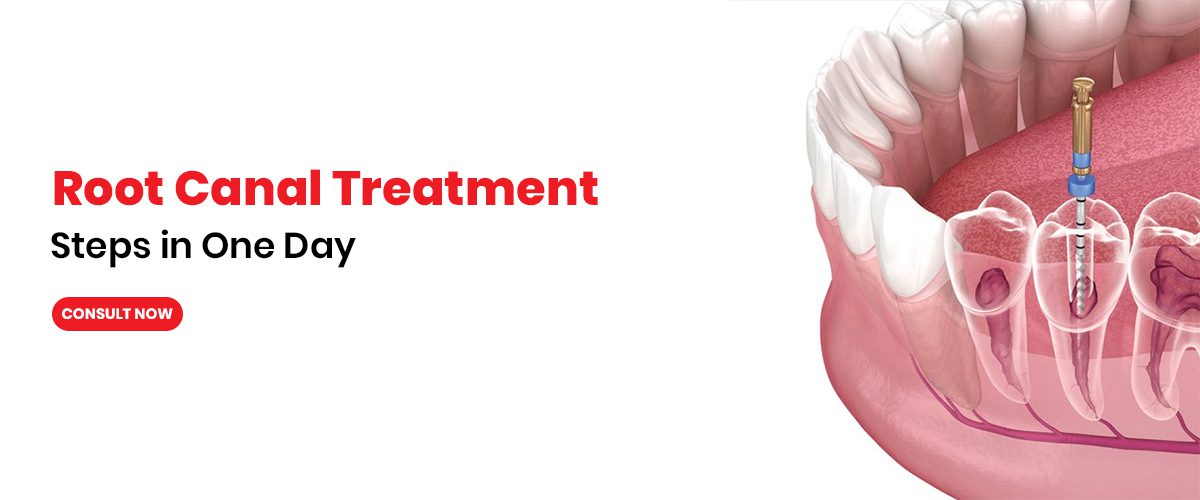
Most of the time the process of canal treatment can be completed in one visit, however in select cases of severe infection 2 or 3 sitting may be needed. Each visit is of about 20-45 minutes. Now, let’s discuss on the precautions which you need to take as a patient in the process of root canal therapy. We will divide this into three sections: Before the procedure, during the procedure, after the procedure.
Protect the tooth until it is fully restored
A temporary filling may be placed between root canal treatment and the final restoration. Until your dentist confirms that the tooth is ready for normal chewing, avoid biting hard or chewy foods with it. If the temporary filling comes out, contact your dentist for advice. Do not delay the permanent filling, crown, or other restoration recommended for your tooth. The type and timing of restoration depend on the tooth and how much healthy structure remains.
Eating after Root Canal Treatment
If your mouth is still numb, wait until the numbness has worn off before eating, so you are less likely to bite your cheek or tongue. If the tooth feels tender, choose foods that require less chewing and avoid putting heavy pressure on the treated tooth until it has been restored.

What soreness is expected?
Some tenderness around the treated tooth or jaw can occur for a few days, especially if the tooth was painful or infected before treatment. It should improve. Contact your dentist if you have severe or worsening pain, swelling, an uneven bite, or symptoms that return. Also contact the clinic if a temporary filling or crown comes out.
Take medicines only as directed by your dentist, and tell the dental team about your medical conditions, allergies, and regular medicines. Do not start leftover antibiotics or take antibiotics without a prescription; they are not needed for most tooth-pulp and root-area pain conditions.
Precautions before Root Canal Treatment
Before you undergo the process of root canal treatment you should take care of the following:
- Anesthesia and other medications may be used to treat the disease; hence you should inform your doctor of any allergy or anxiety.
- Eat before the procedure.
- Take all medications which you take regularly for other medical conditions such as hypertension, diabetes etc.
- Avoid alcohol or tobacco before the procedure.
- Sleep well night before the procedure.
Precautions during Root Canal Treatment
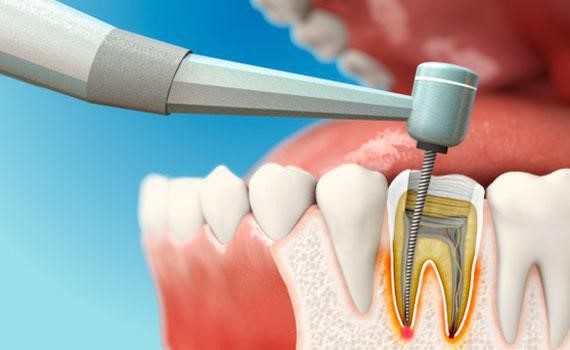
When you are in-between the appointments, then you should take care of the following:
- Take all medications as prescribed by the doctor.
- Cotton may be placed in your tooth, if it gets dislodged inform your doctor.
- Do not consume hot, spicy and sticky food immediately after procedure.
- Take adequate rest.
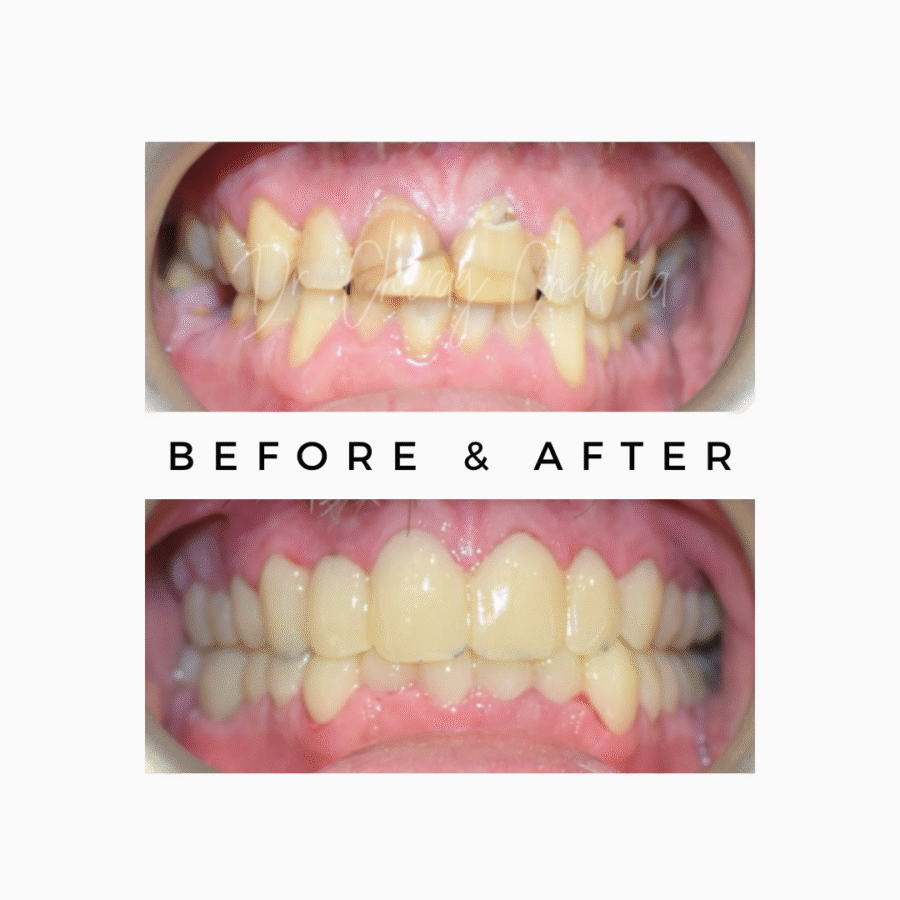
Root Canal Treatment Precautions After
Once your root canal treatment is done, then you should take care of the following:
- Take all medications as prescribed by the doctor.
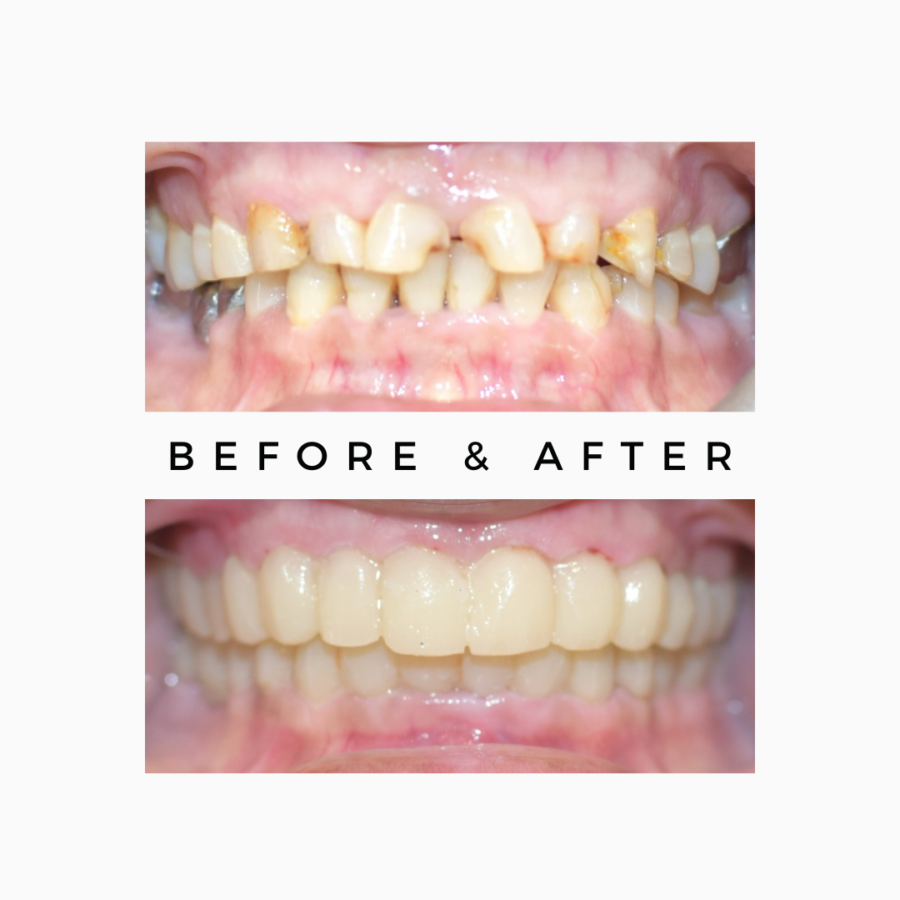
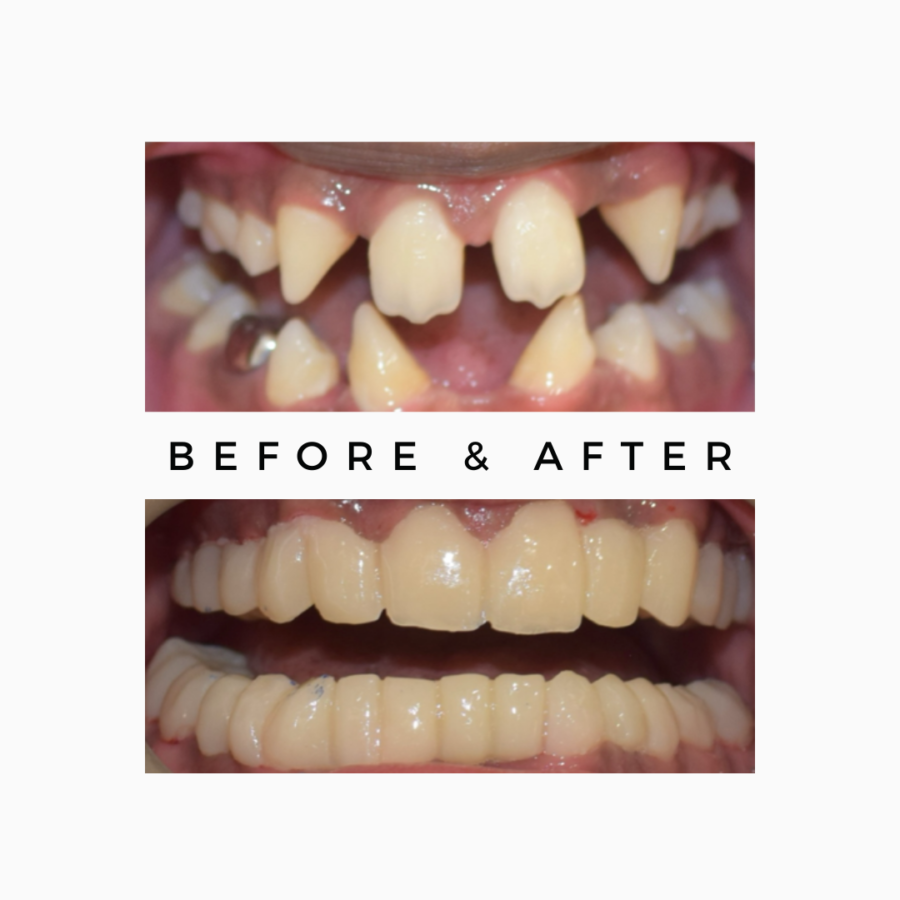
- Get your crown fixed over the tooth within 6 weeks.
- In case of discomfort or pain in chewing inform your doctor.
- Avoid smoking and alcohol.
- Brush regularly with salt water gargles.
Conclusion
Following root canal treatment precautions means taking medicines only as prescribed, protecting the treated tooth until its permanent restoration is placed, and attending the follow-up recommended by your dentist. Some tenderness for a few days can occur, but report worsening or severe pain, swelling, an uneven bite, or a lost temporary filling to your dentist. If you are unsure about medicines, eating, or when to have the final restoration, contact your dentist for advice specific to your treatment.
FAQs
What precautions should I take after a root canal?
Follow your dentist’s instructions, take medicines only as prescribed, and avoid chewing hard or chewy foods with the treated tooth until it has been restored. Keep the area clean by brushing and flossing gently.
What can I eat after a root canal?
Wait until any numbness has worn off before eating. If the tooth feels tender, choose foods that require less chewing and avoid biting hard foods with that tooth until your dentist confirms it is ready.
Is pain normal after root canal treatment?
Some tenderness for a few days can occur and should gradually improve. Contact your dentist if pain is severe, gets worse, lasts longer than expected, or occurs with swelling.
What should I do if my temporary filling falls out?
Contact your dentist promptly for advice and to arrange repair if needed. Avoid chewing on that tooth until you have received instructions.
Does every root canal-treated tooth need a crown?
Not necessarily. The recommended restoration depends on the tooth’s location and how much healthy tooth structure remains. Your dentist will explain whether a filling, crown, or another restoration is appropriate.
Do I need antibiotics after a root canal?
Antibiotics are not routinely needed after every root canal. Take them only if your dentist prescribes them for your specific condition.
How many appointments does root canal treatment take?
The number of appointments varies with the tooth, the infection, and the complexity of treatment. Many cases take one or two visits, while some need additional appointments.
When should I contact my dentist after a root canal?
Contact your dentist if you develop swelling, severe or worsening pain, an uneven bite, a lost temporary filling or crown, an allergic reaction to medicine, or a return of your original symptoms.
All rights reserved by Royal Dental Implants Pvt Ltd., issued in public interest