
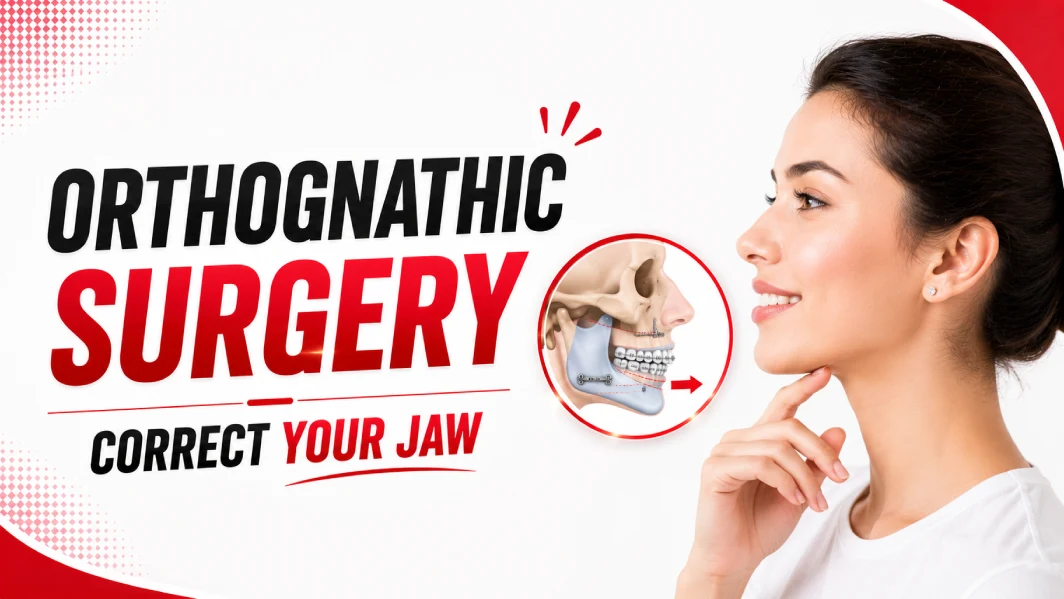
A lot of people go through life thinking their jaw is just the way it is. They adapt. They avoid certain foods, speak more carefully, sleep in specific positions, and quietly accept the discomfort of a bite that has never quite worked properly. Some have been told braces will fix it. Others have had braces and are still left with a jaw that doesn’t sit right. What most people are not told clearly enough is that there is a category of people who need orthognathic jaw surgery in Mumbai and outside, without which the result will not come.
Orthognathic surgery in Mumbai exists specifically for these cases. Also called corrective jaw surgery, it is a procedure that repositions the upper jaw, lower jaw, or both, to achieve proper alignment between the jaws, teeth, and facial structure. The results affect far more than appearance. Patients report improvements in how they chew, how they speak, how they breathe during sleep, and in many cases, how much jaw and head pain they experience daily.
At Royal Dental Clinics, Thakur Village, Kandivali East, orthognathic surgery in Kandivali is performed by Dr. Chirag Chamria, an Oral and Maxillofacial Surgeon with deep specialisation in jaw correction, facial rehabilitation, and complex surgical cases. This guide covers everything you need to know about the procedure, who needs it, how it works, what it costs in Mumbai, and what to expect through the treatment journey.
What Is Orthognathic Surgery?
Orthognathic surgery is a surgical procedure performed to correct skeletal jaw discrepancies that cannot be resolved through orthodontic treatment alone. The word orthognathic comes from the Greek words for straight and jaw. The goal is precisely that — to bring the jaws into proper alignment so they work the way they should.
The upper jaw (maxilla), lower jaw (mandible), or both may be involved depending on the diagnosis. The surgery repositions these bones and fixes them in their new, corrected position using titanium plates and screws. Once healed, the bite is stable, the facial profile is balanced, and the functional problems that the misalignment was causing are addressed at their root cause rather than managed around.

This is not a cosmetic procedure in isolation. While many patients do notice significant improvement in their facial appearance after jaw correction surgery in Mumbai, the primary purpose is functional. Correcting how the jaws meet, how chewing forces are distributed, how the airway sits, and how the teeth occlude under normal daily use.
Orthognathic surgery is almost always planned as a combined orthodontic and surgical process. Braces are used before surgery to decompensate the teeth and align them independently within each jaw. Surgery then repositions the jaws to the correct skeletal position. Post-operative orthodontics fine-tunes the bite once the bones have healed.
Who Needs Orthognathic Surgery in Mumbai?
Not every misalignment requires surgery. Mild dental irregularities can be corrected with braces or clear aligners. The key question is whether the problem is in the teeth or in the bones beneath them. When the bones themselves are in the wrong position, surgery is the only way to correct it properly. You may be a candidate for orthognathic surgery in Kandivali Mumbai if you experience one or more of the following:
- Difficulty chewing or biting. If certain foods are consistently difficult to eat because your upper and lower teeth do not meet properly, this is a significant functional indicator of jaw misalignment.
- Chronic jaw pain or TMJ disorders. When the jaws do not align correctly, the temporomandibular joint on one or both sides bears unequal forces. This leads to persistent pain, clicking, popping, or locking of the jaw joint over time.
- Speech difficulties. Jaw position directly affects how sounds are formed. A protruding lower jaw, receding upper jaw, or open bite can cause lisping, difficulty with certain sounds, or unclear speech that has never been fully corrected despite speech therapy.
- Facial asymmetry. When one side of the jaw has grown differently to the other, the face appears uneven. This is visible in the lower face particularly, and affects both function and appearance.
- A significantly protruding or receding jaw. A lower jaw that sits too far forward (prognathism) or too far back (retrognathism) causes both bite problems and a noticeably imbalanced facial profile.
- Open bite. When the front teeth cannot touch at all while the back teeth are together, it makes biting into food nearly impossible and is usually a skeletal issue rather than a purely dental one.
- Sleep apnea related to jaw position. In some patients, a receding lower jaw positions the tongue further back in the throat during sleep, contributing to obstructive sleep apnea. Jaw surgery can sometimes address this at a structural level.
- Failed orthodontic treatment. If you have had braces that improved the appearance of your teeth but did not resolve the underlying bite or jaw pain issues, it may be because the root cause was skeletal, not dental.
Types of Orthognathic Jaw Surgery in Mumbai
At Royal Dental Clinics, the specific type of surgery planned depends entirely on what the CBCT scan and bite analysis reveal about each patient’s skeletal structure. Here are the main types:
Upper Jaw Surgery (Maxillary Osteotomy)
Performed when the upper jaw needs to be repositioned, the maxillary osteotomy involves carefully cutting the upper jaw bone and moving it into the correct position — forward, backward, upward, or downward depending on the diagnosis. This procedure corrects open bites, crossbites, a gummy smile caused by vertical excess, and facial midline discrepancies.
Lower Jaw Surgery (Mandibular Osteotomy)
The most commonly performed type of jaw surgery. The mandibular osteotomy repositions the lower jaw to correct either a protruding lower jaw or a receding one. The procedure improves bite contact, facial profile, and jaw joint function.
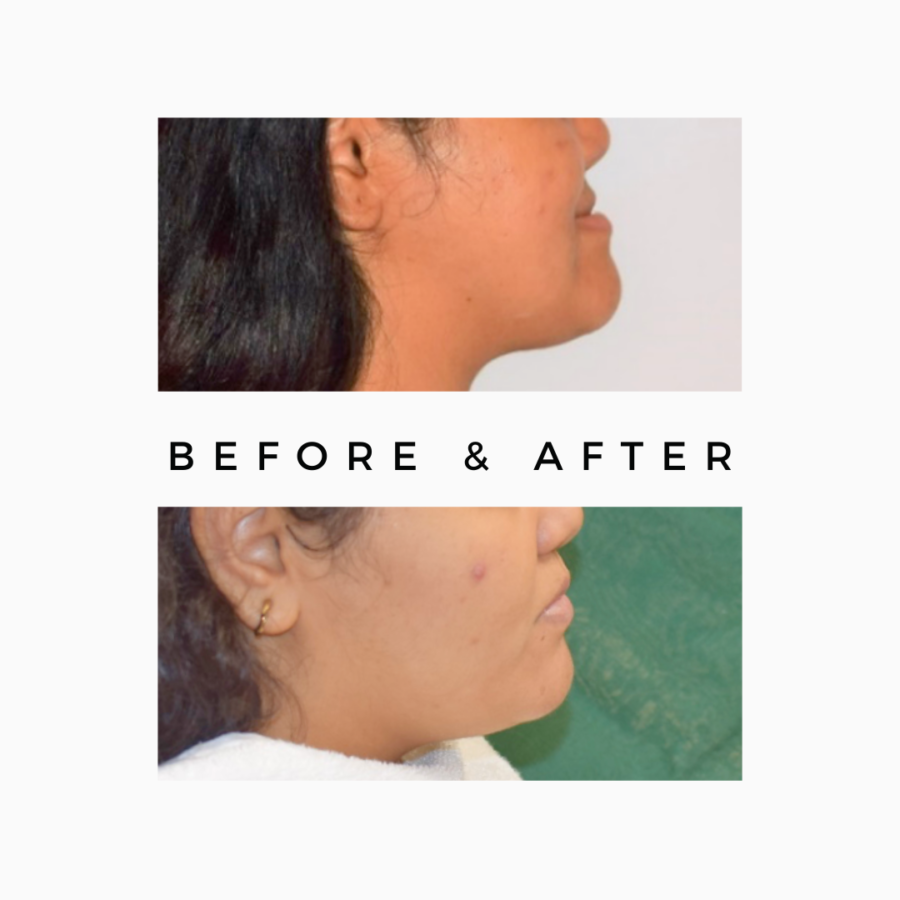
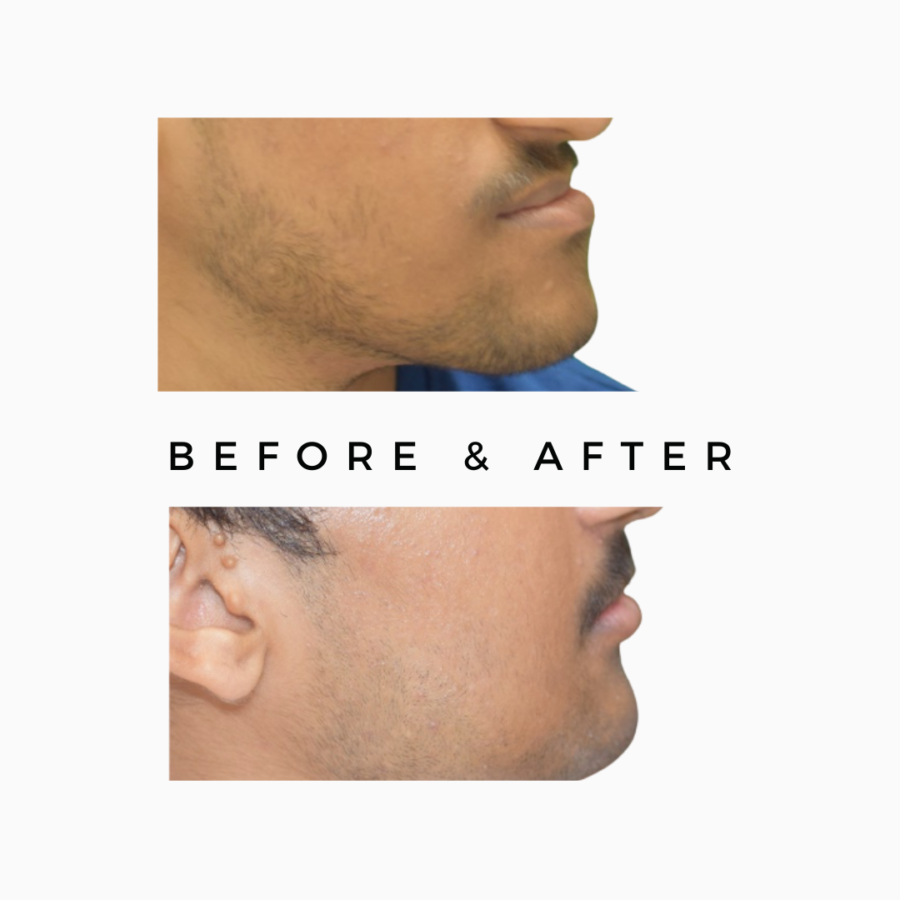
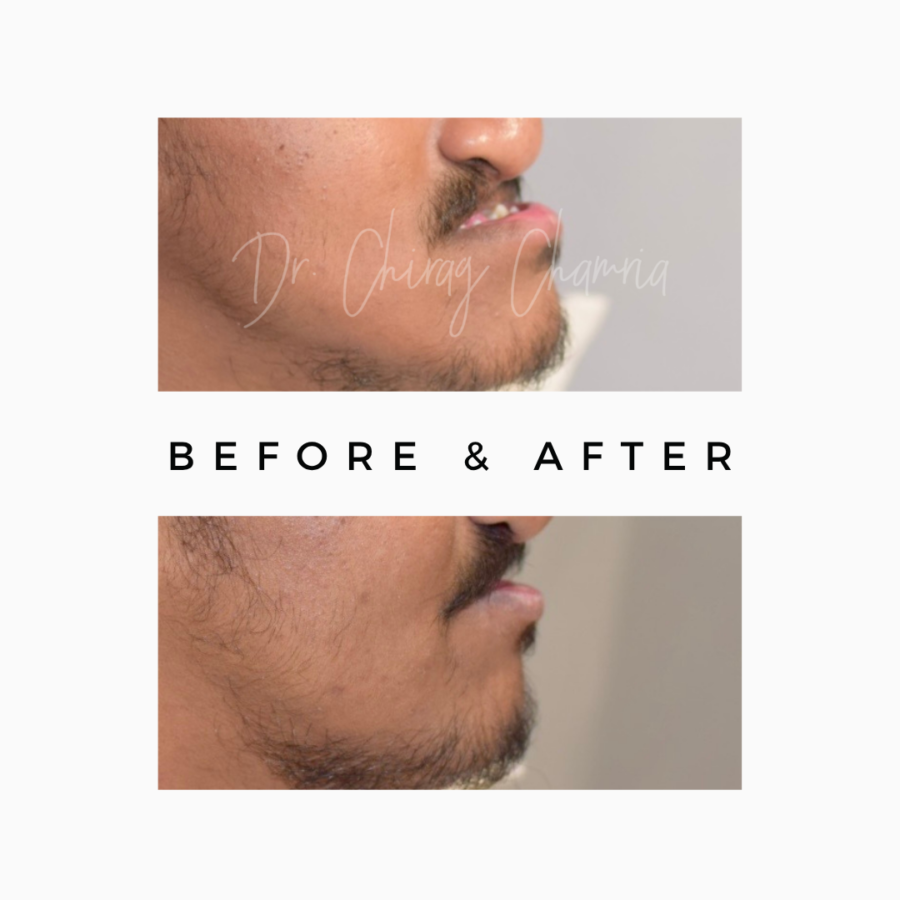
Double Jaw Surgery (Bimaxillary Surgery)
When both the upper and lower jaws need correction, both surgeries are performed at the same time under general anaesthesia. This is the most comprehensive type of orthognathic surgery and is recommended for patients with significant skeletal discrepancies that involve both jaws simultaneously. Results are more complete and the overall facial harmony achieved is typically superior to single jaw correction.
Genioplasty (Chin Surgery)
This procedure corrects a receding, protruding, or asymmetric chin. It is frequently performed alongside jaw surgery to complete the lower facial profile and ensure overall facial balance. Genioplasty alone can significantly improve the appearance of the lower face even in cases where full jaw surgery is not required.
How Orthognathic Surgery is done at Royal Dental Clinics, Kandivali
One of the most important things to understand about orthognathic surgery in Mumbai is that it is a long, carefully sequenced treatment, not a single procedure. Here is how the complete journey typically unfolds at Royal Dental Clinics:
Phase 1 — Diagnosis and Digital Planning
The treatment begins with a detailed clinical examination, bite analysis, facial measurements, and CBCT-based 3D imaging. The CBCT scan provides a complete three-dimensional map of the jaw bones, airway, tooth roots, and facial structures. Using digital surgical planning software, the team simulates the jaw movements and previews the expected outcome before a single incision is made. This is how predictable results are achieved.
Phase 2 — Pre-Surgical Orthodontics
Braces are placed and worn for approximately 9 to 14 months before surgery. This phase is critical. The braces decompensate the teeth, meaning they reverse the natural compensations the teeth have made to work around the jaw misalignment. Without this phase, the surgery cannot accurately achieve the correct skeletal position. This is also why patients who go straight from misalignment to surgery without orthodontic preparation often get incomplete results.
Phase 3 — Jaw Surgery
The surgery is performed under general anaesthesia in a hospital setting. Depending on whether one or both jaws are being corrected, the procedure typically takes 2 to 4 hours. All incisions are made inside the mouth where possible, so there are no visible external scars. Titanium plates and screws hold the repositioned bones securely in their new position while healing occurs.
Phase 4 — Recovery
Most patients are discharged from hospital within 1 to 3 days. Significant swelling is expected for the first 2 to 3 weeks and gradually resolves over 2 to 3 months. A soft or liquid diet is required during the initial healing period. Most patients can return to work or normal daily activities within 3 to 4 weeks, though complete bone healing takes around 3 months.
Phase 5 — Post-Surgical Orthodontics
After surgery and once healing is confirmed, braces continue for a further 4 to 8 months to fine-tune the bite. This phase brings the teeth into their final, precise occlusal position now that the jaw bones are correctly aligned. Retention is then provided to maintain the result long-term.
Additional Maxillofacial Procedures at Royal Dental Clinics, Kandivali
Jaw Tumor and Cyst Treatment in Mumbai
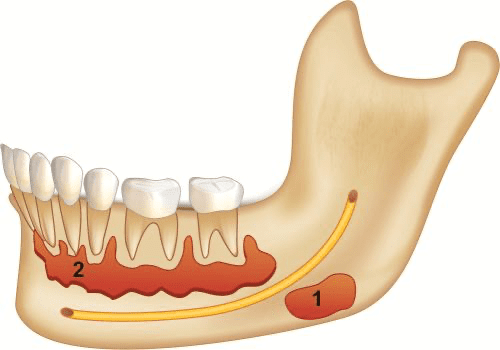
Tumours and cysts in the jaw region can develop due to infection, blocked ducts, congenital conditions, or abnormal tissue growth. They may appear as swelling in the jaw, difficulty opening the mouth, numbness, or persistent pain. Some are benign and require only monitoring or surgical removal. Others require more comprehensive intervention.
At Royal Dental Clinics, Dr. Chirag Chamria provides advanced diagnosis and personalised surgical management for jaw cysts and tumours. Treatment typically begins with clinical examination, CT or MRI imaging, and where needed, a biopsy. Surgical removal is the most common definitive treatment, with post-operative care protocols to minimise recurrence.
Tongue Tie Treatment in Mumbai
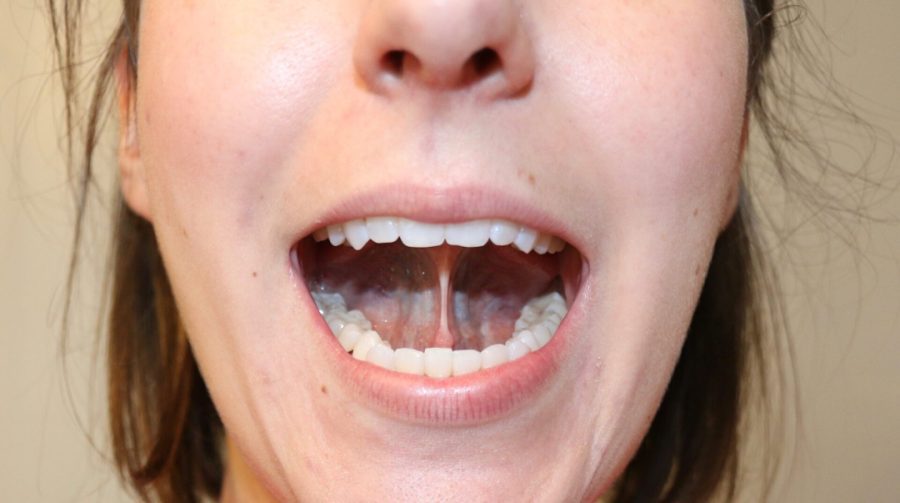
Tongue tie, medically known as ankyloglossia, occurs when the frenulum beneath the tongue is too short or tight, restricting movement. In children and adults alike, this can affect speech clarity, swallowing, oral hygiene, and in some cases, jaw development and posture.
At Royal Dental Clinics, tongue tie is not treated as a minor concern. A thorough evaluation of tongue mobility, speech, airway, and associated dental changes is completed before any intervention is recommended. The release procedure itself is minimally invasive and typically completed within 30 to 45 minutes under local anaesthesia. Post-procedure myofunctional exercises are explained to help the tongue adapt to its new range of motion.
Jaw Alignment Problems — More Common in India Than Most Realise
Studies suggest that between 5 and 10 percent of the Indian population has jaw discrepancies severe enough to benefit from combined orthodontic and surgical correction. Yet the vast majority of these individuals are unaware that treatment is available, affordable in India, and capable of permanently resolving problems they have lived with for years.
Factors contributing to jaw misalignment include genetics, childhood habits like thumb sucking or mouth breathing, facial trauma, growth-related variations, and delayed orthodontic care during the developmental years. Many cases that could have been managed with early intervention become more significant over time, eventually requiring surgical correction.
The encouraging reality is that orthognathic surgery in Kandivali Mumbai at Royal Dental Clinics is accessible, well-planned, and backed by experienced surgical teams using modern 3D digital workflows. Patients who have lived with jaw pain, chewing difficulty, breathing problems, or self-consciousness about facial asymmetry for years often describe the transformation after treatment as genuinely life-changing.
Orthognathic Surgery Cost in Mumbai — What You Should Know
The cost of orthognathic surgery in Mumbai at Royal Dental Clinics starts from approximately Rs 2,92,000 for jaw surgery. Related procedures are priced as follows:
- Consultation with X-rays: Rs 1,500
- Jaw cyst removal: from Rs 48,000
- Tongue tie release: from Rs 30,000
- Scar revision surgery: from Rs 48,000
- Rhinoplasty: from Rs 2,88,000
Compared to the USA, UK, Australia, and UAE, orthognathic surgery in India costs a fraction of what patients would pay abroad. In the UK, corrective jaw surgery through the NHS involves long waiting times. Private treatment in the USA can cost $30,000 to $50,000 or more for double jaw surgery. In Mumbai, the same level of care with 3D digital planning and experienced maxillofacial surgeons is available at significantly lower cost.
A detailed written cost estimate is provided at consultation. Every procedure, every phase, and every material is outlined clearly before treatment begins. There are no hidden costs and no pressure to commit before the patient is fully ready.
For international patients, Royal Dental Clinics works with India Dental Tourism to assist with travel planning, accommodation coordination, and treatment scheduling across a single visit where possible.
Is Orthognathic Surgery Safe? What Is the Success Rate in India?
Orthognathic surgery has a high success rate when performed by experienced oral and maxillofacial surgeons using proper pre-surgical planning and digital workflows. At Royal Dental Clinics, 3D CBCT imaging, digital surgical simulation, and CAD/CAM-fabricated surgical splints are used for every case. These tools reduce intraoperative variability and allow the surgeon to execute the planned jaw movements with precision.
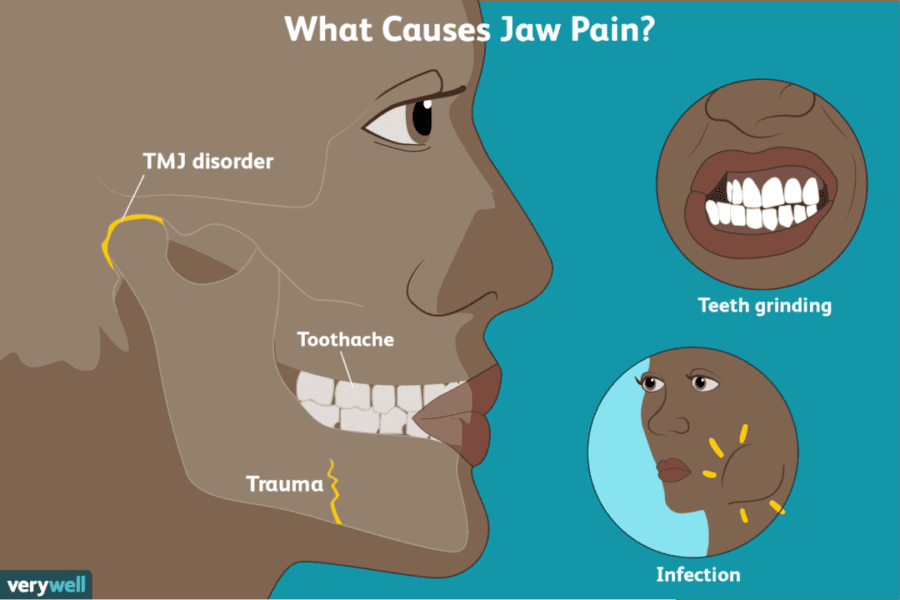
Risks associated with orthognathic surgery include temporary numbness in the lip and chin area from nerve proximity, swelling, minor bleeding, infection, and in rare cases relapse of jaw position. The vast majority of these risks are managed through proper planning, experienced surgical technique, and thorough post-operative care.
Patients routinely report significant improvements in chewing efficiency, speech clarity, jaw joint pain, sleep quality, breathing, and overall facial confidence. The functional improvements are typically immediate after recovery. The aesthetic changes become fully visible over 3 to 6 months as swelling resolves completely.
Frequently Asked Question
At what age can orthognathic surgery be done?
Surgery is performed once jaw growth is complete, which typically occurs in late teens for girls and early twenties for boys. There is no upper age limit. Adults of any age whose jaw structure and general health are suitable can undergo the procedure.
How long does the entire treatment process take from start to finish?
The complete treatment including pre-surgical orthodontics, surgery, recovery, and post-surgical orthodontics typically takes 18 to 24 months. The surgery itself is a single procedure within this timeline.
Will there be visible scars from jaw surgery?
In the vast majority of cases, all incisions are made inside the mouth, so there are no visible external scars. Genioplasty and certain additional procedures may involve minimal external access, but this is discussed at the planning stage.
Can orthognathic surgery help with sleep apnea?
In selected cases where sleep apnea is related to the position of the lower jaw and tongue base, jaw advancement surgery can improve airway dimensions and reduce apnea episodes. A proper sleep study and assessment by both a maxillofacial surgeon and a sleep specialist is needed to determine suitability.
Is the surgery done under general anaesthesia?
Yes. Orthognathic surgery is performed under general anaesthesia in a hospital setting. Patients are admitted for 1 to 3 days depending on the complexity of the procedure.
What can I eat after jaw surgery?
A liquid or soft diet is required for approximately 4 to 6 weeks while the bones are healing. Specific dietary guidance is provided at discharge and adjusted through follow-up visits. Normal eating resumes gradually as healing progresses.
Can braces alone fix my jaw problem?
Braces correct the position of teeth within the jawbones. They cannot move the bones themselves. If the discrepancy is skeletal rather than dental, braces alone will not achieve a correct, stable bite. A consultation with Dr. Chamria will determine whether orthodontics alone is sufficient or whether surgery is needed.
Is jaw surgery available for patients coming from outside Mumbai?
Yes. Royal Dental Clinics treats patients from across India and from countries including the UK, USA, Australia, UAE, Oman, Canada, and Kenya. The treatment is planned in phases, and the surgical phase itself requires a hospital stay of a few days. Support for travel and accommodation is available through India Dental Tourism.
Contact Royal Dental Clinics Today:
Website: Royal Implant
Address:Mumbai | Jaipur
Contact No: +91 9820012621
Email Id: info@royaldentalclinics.com
Instagram | Youtube | Facebook | Linkedin