
Oral cancer treatment can significantly impact your oral health, especially if multiple teeth or sections of the jaw need to be removed during surgery. Fortunately, modern oral cancer fixed teeth solutions, including dental implants and fixed prostheses, can help restore your smile, improve chewing ability, and enhance your quality of life after successful cancer treatment. Learn about oral cancer fixed teeth treatment, including dental implants, dentures, treatment planning, and recovery from fixed teeth after oral cancer surgery.
Who is This Article For?
- Have lost one or more teeth following oral cancer surgery.
- Want a permanent alternative to removable dentures.
- Have completed cancer treatment and are medically fit for dental rehabilitation.
- Have adequate bone support or are suitable candidates for advanced implant procedures.
- Wish to restore chewing, speech, facial appearance, and confidence.
What Does “Fixed Teeth After Oral Cancer Surgery” Mean?
Fixed teeth after oral cancer refers to a dental prosthesis that is supported by dental implants and is not routinely removed by the patient. The prosthesis may replace missing teeth alone or may also replace portions of gum and jaw tissue lost during cancer surgery. However, “fixed teeth” does not necessarily mean that the patient receives the final permanent bridge immediately after cancer surgery. Some patients may first receive a temporary prosthesis, removable denture or healing appliance while the surgical area, reconstructed tissues and bite stabilise. The final rehabilitation plan depends on the location of the tumour, the amount of jaw removed, the type of reconstruction, radiotherapy history, available bone, soft-tissue condition and the patient’s general health.
Why Are Teeth Sometimes Lost During Oral Cancer Treatment?
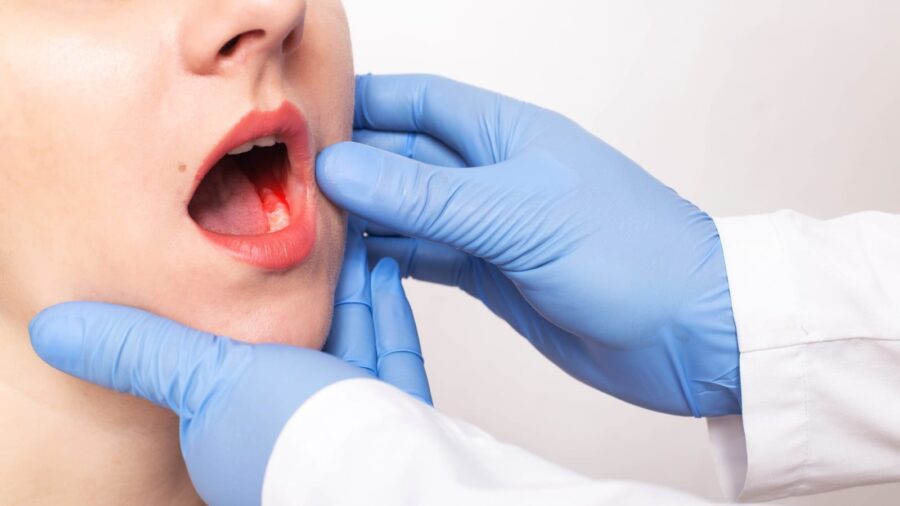
Oral cancer surgery may involve removing teeth that are situated within or close to the tumour. Teeth may also be removed when part of the upper or lower jaw must be resected to obtain an adequate cancer-free surgical margin. Additional teeth may need treatment before radiotherapy when they have a poor long-term prognosis, severe decay, advanced gum disease, infection or a high likelihood of requiring extraction later. Dental assessment before cancer treatment can help identify and manage existing oral problems. This is important because chemotherapy and head-and-neck radiotherapy may increase the risk of mouth sores, infection, dry mouth, tooth decay and delayed healing.
Can Fixed Teeth Be Given Immediately During Oral Cancer Surgery?
In selected patients, dental implants may be planned at the time of tumour removal and jaw reconstruction. This approach is sometimes called primary or immediate implant placement. Possible advantages include:
- Reducing the number of future surgical procedures
- Using the reconstructed bone before radiotherapy begins
- Planning the jaw reconstruction around the intended position of the future teeth
- Shortening the overall dental rehabilitation pathway
However, simultaneous implant placement is not appropriate for every patient. Cancer control and safe tumour removal remain the first priorities. The decision depends on the tumour location, surgical margins, reconstructive plan, anticipated radiotherapy, operating time, medical condition and whether the implants can be placed in prosthetically useful positions.
Even when implants are placed during cancer surgery, the fixed bridge may be attached later after healing and completion of the required cancer treatment.
When Can Dental Implants Be Placed After Oral Cancer Treatment?
The timing should be determined jointly by the oral and maxillofacial surgeon, oncologist, radiation oncologist and restorative dental team.
- During jaw reconstruction
- After the surgical site has healed
- Before planned radiotherapy in carefully selected situations
- After radiotherapy, following oncological and surgical assessment
- During a later secondary reconstruction procedure
Who May Be Suitable for Fixed Implant-Supported Teeth?
- Cancer treatment is complete or the oncology team approves rehabilitation. The surgical and reconstructed tissues have healed adequately
- There is sufficient native or reconstructed bone for implant anchorage. The patient is medically able to undergo the proposed procedure
- There is no uncontrolled infection or active gum disease. The patient can maintain the required oral hygiene
- The position of the implants can support a functional and cleanable prosthesis.
- The patient understands the risks, maintenance and possible future repairs.
Age alone does not determine eligibility. General health, medication history, smoking, nutrition, mouth opening, manual dexterity, radiation exposure and the condition of the remaining teeth may be more important than chronological age.
When May Fixed Teeth Not Be Advisable?
- Active or recurrent cancer
- Incomplete healing
- Uncontrolled infection
- Severe limitation in mouth opening
- Poorly controlled medical illness
- Inadequate implant-supporting bone
- Unfavourable soft-tissue coverage
- Inability to clean beneath the prosthesis
- Ongoing heavy smoking or tobacco use
- A high risk of surgical complications
- Insufficient prosthetic space
- An implant position that would make the final bridge difficult to maintain
Native Bone vs Reconstructed Bone for Dental Implants
Dental implants may be placed in remaining natural jawbone or under a bone flap, vascularised bone flap or with bone grafts. Implant outcomes are influenced by the type and quality of bone, blood supply, radiation exposure, implant positioning and prosthetic design. Research shows that dental implant rehabilitation can be effective after oral cancer treatment, but implant survival is generally less predictable in irradiated bone than in non-irradiated bone. Implant failure risk may also differ between native bone, vascularised flaps and non-vascularised grafts.
Fixed Teeth vs Removable Dentures After Oral Cancer
One of the big questions for someone who’s had oral cancer surgery is whether or not to get dental implants. Implants are permanent fixtures that inserted into your jawbone and remove, while dentures sit in place on your gums and taken out.
| Consideration | Fixed Implant-Supported Teeth | Removable Denture or Obturator |
|---|---|---|
| Stability | Usually more stable during chewing and speaking | May move depending on the defect and available support |
| Removal | Normally removed only by the clinical team | Removed by the patient |
| Cleaning | Requires cleaning underneath and around the bridge | Can be removed for direct cleaning |
| Surgery | Usually requires implant placement | May avoid additional implant surgery |
| Bone requirement | Requires suitable implant anchorage | Can sometimes be used where implant anchorage is limited |
| Maintenance | Requires implant and prosthetic maintenance | May require relining, adjustment or replacement |
| Cancer surveillance | Design must permit clinical examination | Removal may make the surgical site easier to inspect |
| Patient dexterity | Requires ability to clean under the bridge | Requires ability to insert, remove and clean the appliance |
Fixed teeth are not automatically better for every cancer survivor. A removable prosthesis may be more appropriate when the tissues need regular inspection, hygiene access is difficult or additional implant surgery would create excessive risk.
Will Fixed Teeth Restore Normal Eating?
Fixed teeth may improve stability and chewing, but they cannot always restore exactly the same function that existed before cancer treatment. Eating ability also depends on Tongue mobility, Saliva production, Jaw movement, Lip and cheek control, Sensation, Swallowing coordination, Amount of jaw and soft tissue removed. Some patients continue to need softer food, smaller bites, additional moisture or guidance from a dietitian or swallowing therapist. Oral cancer rehabilitation should therefore address the entire chewing and swallowing system rather than only replacing missing teeth. Cancer therapy can cause dry mouth, taste alteration, swallowing difficulty and nutritional problems, making multidisciplinary rehabilitation important.
Can Fixed Teeth Improve Speech?
Replacing missing teeth and closing oral defects may improve the control of air and saliva during speech. An obturator or fixed prosthesis may also help separate the mouth from the nasal cavity after upper-jaw surgery. However, speech outcomes depend on the site of surgery and the movement of the tongue, lips, soft palate and reconstructed tissues. A speech-and-swallowing therapist may be needed alongside dental rehabilitation.
What Will the Fixed Teeth Look Like?
Patients with extensive tissue loss may need a larger prosthesis containing tooth-coloured and gum-coloured components. This does not necessarily indicate poor treatment. Replacing missing gum and bone volume may be necessary to restore facial support, speech and the appearance of the smile. The final result depends on:
- Smile line
- Extent of tissue loss
- Implant position
- Available restorative space
- Lip movement
- Facial symmetry
- Prosthetic material
- Ability to clean beneath the restoration
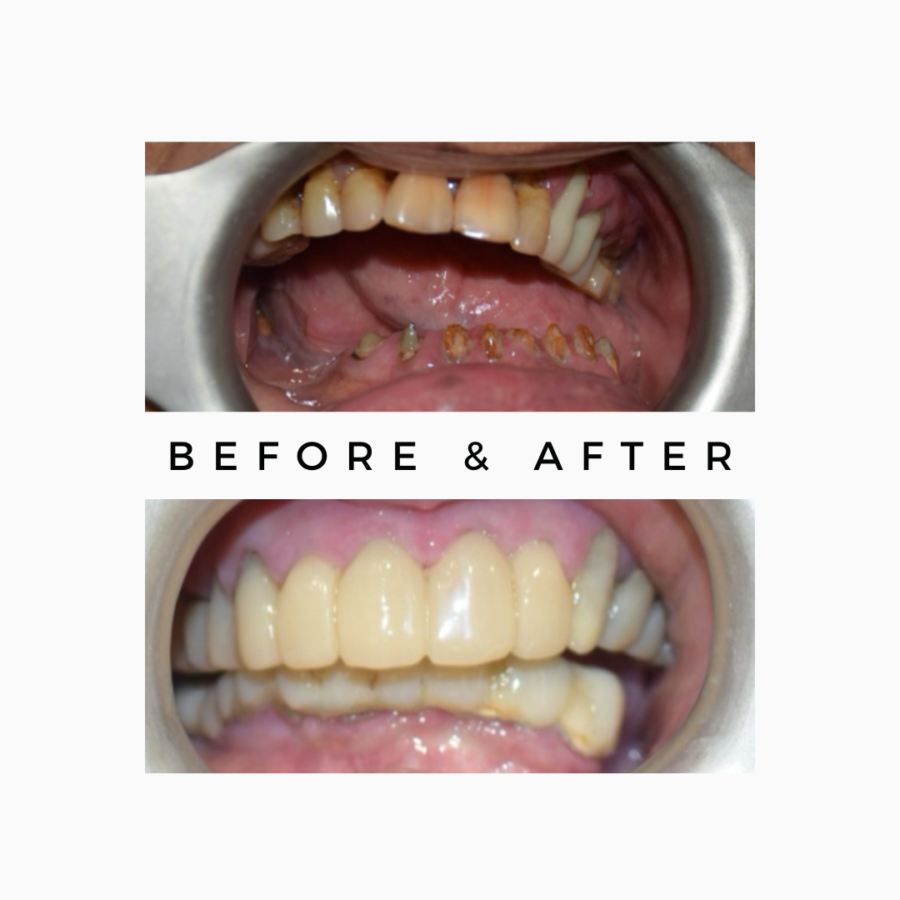
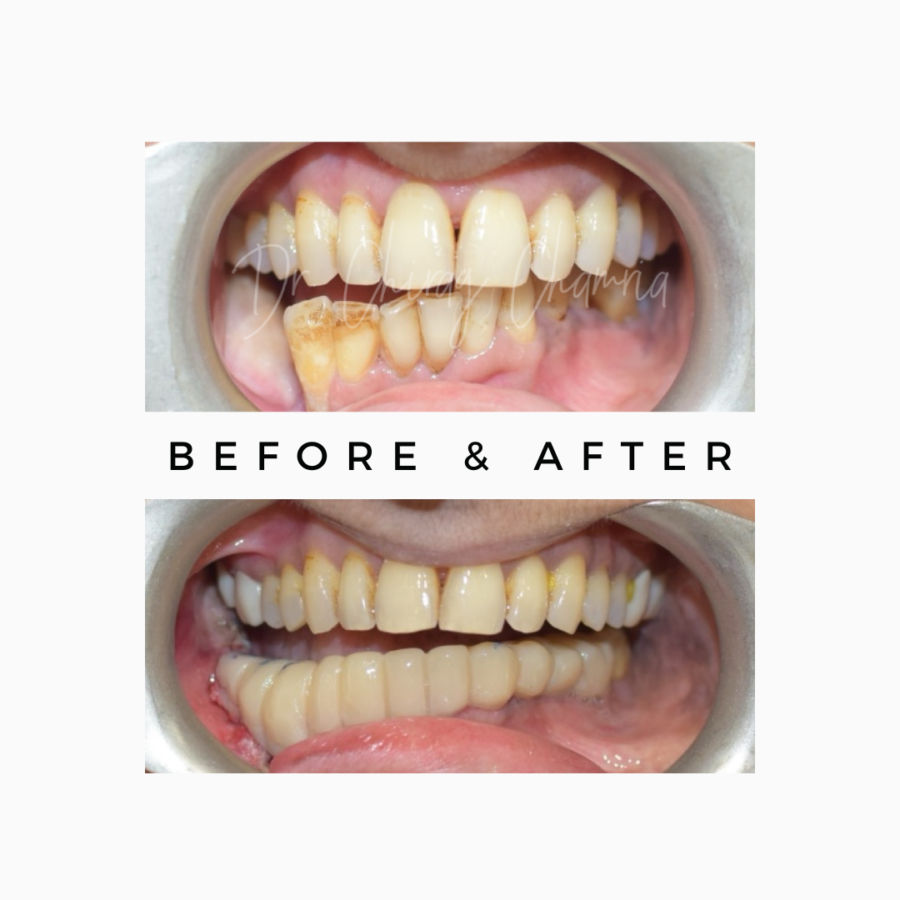
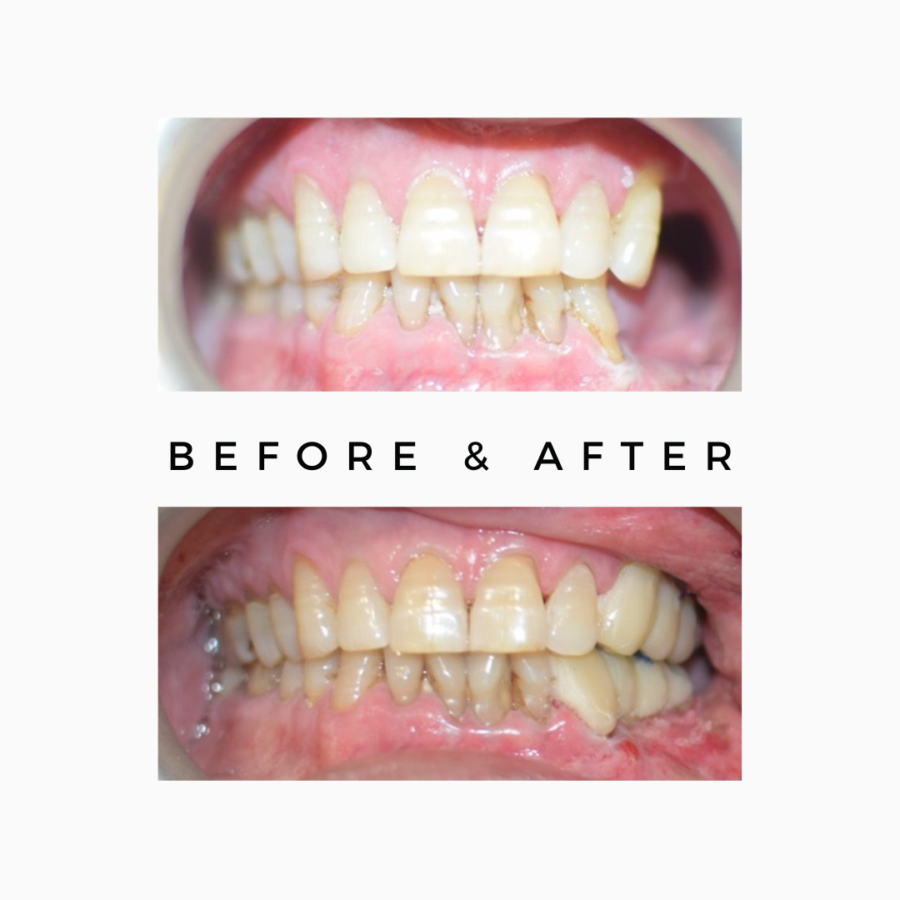
Oral Cancer and Fixed Teeth Case Studies
It is very common to consult or referred to a dental clinic after the diagnosis of oral cancer is made. It is advisable to reduce the infection load and remove or treat any damaged tooth. A direct link between dental implants and oral cancer was not found. It was observed that there were no significant differences in number of incidences of oral cancer between patients with history of malignancy and those without.
Other things to know about Fixed Teeth after Oral Cancer
- Oral cancer can affect the roots of your teeth, which can make them more susceptible to gum disease
- If you need dental implants after oral cancer surgery, it is important for you to take good care of your mouth. So that the implants integrate into your jawbone
- Cancer treatment like radiation therapy can cause a shrinking of the jawbone. This makes it difficult for implants to integrate and stay in place.
- Dental implants are less likely than dentures to slip out of place and cause pain. Dental implants also help with chewing, speaking, and swallowing.


Conclusion
Losing teeth due to oral cancer treatment can affect your confidence, speech, and ability to eat comfortably. Fortunately, modern oral cancer fixed teeth solutions, including dental implants, offer many patients the opportunity to regain a functional and natural-looking smile. With proper evaluation, advanced planning, and expert surgical care, fixed teeth can significantly improve long-term oral health and quality of life. Consult the specialists at Royal Dental Clinics to determine the most suitable treatment for your individual needs.
Restore Your Smile After Oral Cancer Treatment
If you have lost teeth due to oral cancer surgery, our experienced oral and maxillofacial surgeons can help you explore advanced fixed teeth solutions. Schedule your consultation at Royal Dental Clinics to receive a personalized treatment plan and regain your confidence with a healthy, functional smile.
FAQs
Can I get fixed teeth after oral cancer surgery?
Yes. Many patients can receive fixed teeth after oral cancer surgery once healing is complete and they are medically fit.
Are dental implants safe after oral cancer?
Dental implants are considered safe for eligible patients after proper evaluation by an oral surgeon.
Does radiation therapy affect dental implants?
Radiation therapy may reduce bone quality and healing capacity, making careful treatment planning essential.
Are dental implants better than dentures after oral cancer?
For suitable candidates, dental implants generally provide better stability, chewing efficiency, and comfort than removable dentures.
How long should I wait before getting fixed teeth after oral cancer treatment?
The timing varies depending on healing, cancer treatment completion, and your oral surgeon’s recommendation.