
Receding gums are a common dental problem where the gum tissue pulls away from the teeth, exposing the roots. This condition can lead to tooth sensitivity, plaque buildup, and even tooth loss if left untreated. Among the many natural remedies suggested, neem for receding gums often comes up as a potential solution. But is neem really good for receding gums? Let’s find out.
What Are Receding Gums?
The process of recession or erosion of gum tissue around teeth is known as Gum recession. Aggressive brushing, poor oral hygiene, tobacco use, periodontal disease, misaligned teeth, teeth grinding, and orthodontic work are some of the causes of gum recession. Longer-looking teeth, exposed roots, tooth sensitivity, wider gaps between teeth, and cavities beneath the gum line are all signs of gum recession. Write this in an easy-to-read and professional manner.
Is Neem Good for Receding Gums?
Yes, neem can be beneficial for receding gums, thanks to its natural antibacterial, anti-inflammatory, and healing properties. Neem helps reduce gum swelling, fights harmful bacteria, and prevents plaque buildup—one of the main causes of gum recession. Massaging neem oil on the gums or using neem-based mouthwash can promote healthier gums and slow down further damage. However, neem cannot reverse gum recession once the tissue is lost. For effective treatment, it’s best to combine neem’s natural benefits with professional dental care to protect and restore your gum health.
Properties of Neem for Receding Gums
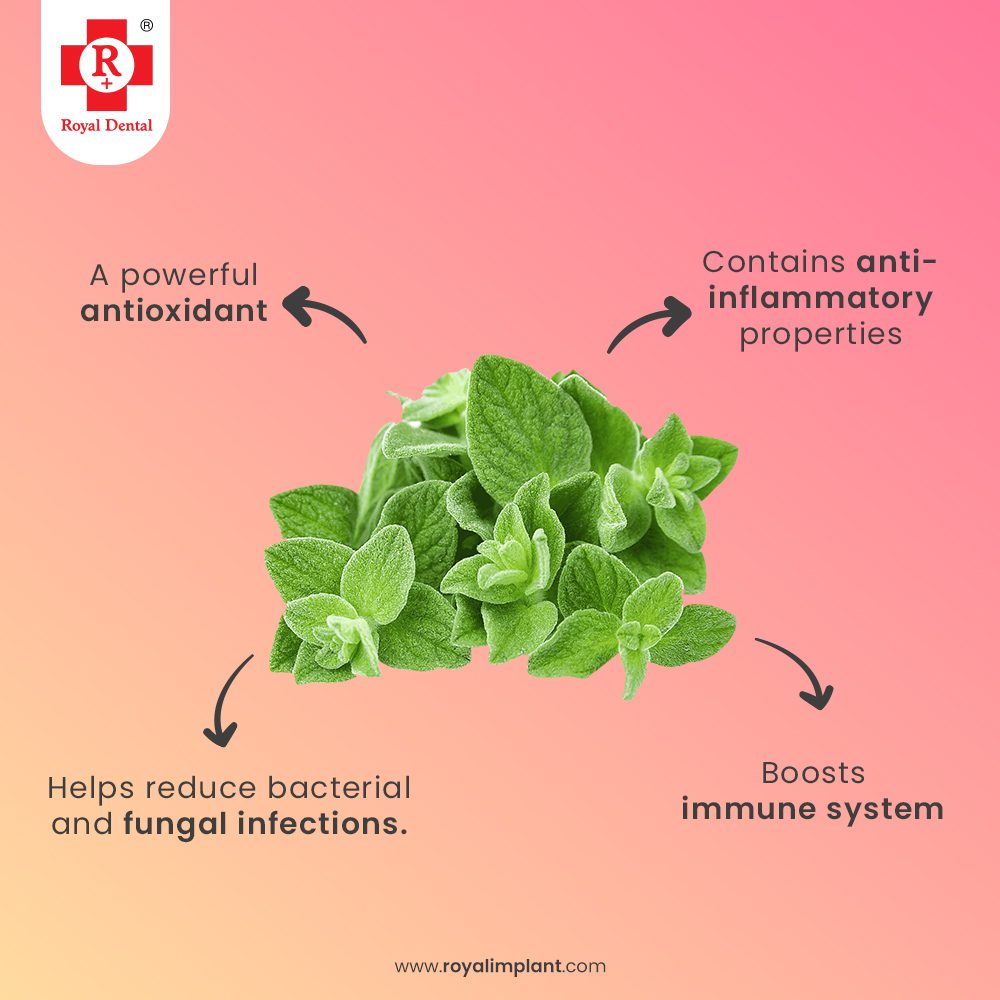
- Antibacterial: Neem, a medicinal plant known for its antimicrobial properties, has been extensively studied for its effectiveness against various bacteria.
- Anti-fungal: Clinical studies findings suggest that neem leaves may possess anti-adherent properties, potentially inhibiting the organism’s ability to attach and grow, thereby contributing to its antifungal effectiveness.
Neem as a Therapeutic Agent for Gums Infections
Neem has shown significant potential in preventing and managing gingivitis. Brushing with neem-based toothpaste after meals and using a neem extract mouth rinse can help maintain oral health. Studies have demonstrated that neem mouthwash is comparably effective to chlorhexidine in reducing plaque and gingival inflammation. Additionally, using neem sticks as toothbrushes has proven beneficial in minimising dental plaque and gingival irritation. Research supports that neem leaf extract-based rinses are highly effective and may serve as an alternative treatment for periodontal diseases. Regular use of neem toothpaste and mouthwash can help prevent or even reverse the effects of gingivitis.
Use of Neem
Toothpaste– Consistent use of neem-based toothpaste has been shown to significantly reduce plaque buildup and enhance gingival health. Its natural antimicrobial properties help control oral bacteria, leading to improved oral hygiene and reduced risk of gum disease. Neem offers an effective, plant-based approach to maintaining overall periodontal health.
Mouthwash – Neem mouthwash effectively supports oral hygiene by preventing the onset and progression of oral diseases. Its potent antimicrobial properties help reduce harmful bacteria, contributing to a lower prevalence of dental infections and improved overall oral health. Regular use of neem mouthwash is a valuable addition to daily oral care routines.
How to Use Neem for Gum Care
- Neem Oil Massage → Gently massage a few drops of neem oil on your gums to reduce inflammation and improve blood circulation.
- Mouthwash → Use neem-based mouth rinses to fight bacteria and freshen your breath.
Neem Twigs → Traditional chewing sticks can naturally clean teeth and strengthen gums.
Neem Toothpaste → Many herbal toothpastes include neem extracts to support overall gum health.
Neem is highly effective for managing receding gums due to its natural anti-inflammatory and antimicrobial properties. It helps reduce gum inflammation, fight harmful bacteria, and promote tissue healing, making it a valuable, natural option for supporting gum health and preventing further recession when used consistently.