You’ve made a remarkable investment in your smile with dental implants, and now that your new teeth are in place, the journey to a lasting, confident smile has just begun. While dental implants are a durable and long-term solution, they aren’t “set it and forget it.” Just like natural teeth, they require a specific and consistent care routine to ensure their health and longevity. This guide will walk you through everything you need to know, from the right brushing and flossing techniques to the best tools for the job, empowering you to protect your new smile for a lifetime.
Who Is This Blog For?
This blog on how to care for dental implants is for anyone who has recently gotten dental implants and wants to make sure they last as long as possible. It is especially useful for new implant patients still learning the right cleaning routine, since implant care differs slightly from caring for natural teeth. It is also relevant for patients managing conditions like diabetes, which can affect healing and implant success, as well as anyone experiencing discomfort or unsure signs around their implant who wants to know what is normal versus what needs a dentist’s attention. And for those considering implants in the future, this blog offers a realistic look at the daily maintenance involved before committing to the procedure.
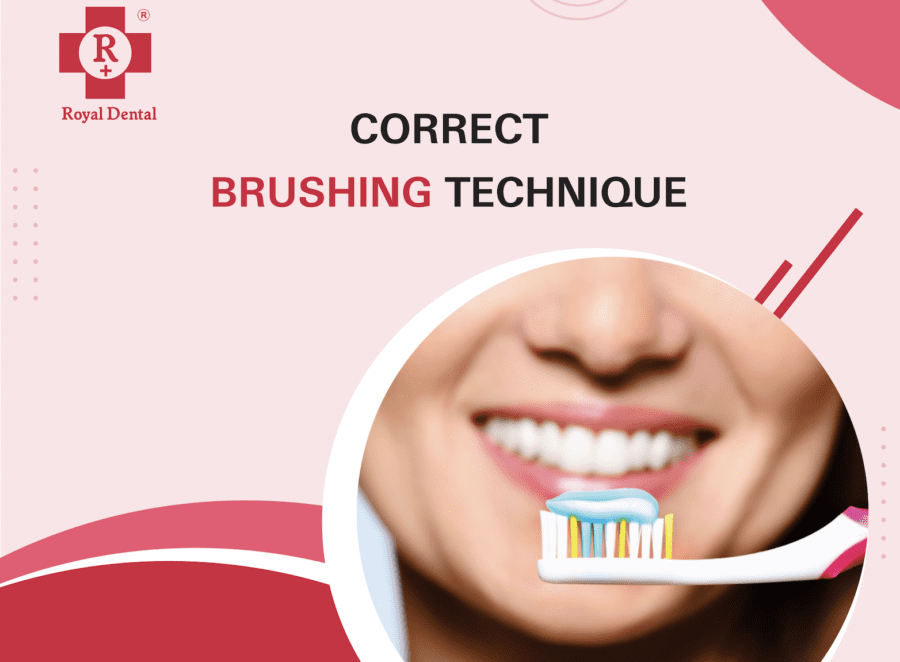
Brush with the right technique
The best way to clean the surface of your dental implants is with a soft-bristled toothbrush and non-fluoridated toothpaste. You should also make sure to clean around the gum line and the implant itself with a toothbrush. We recommend a Sonicare toothbrush, which is powered by patented sonic technology that gently and thoroughly removes plaque and bacteria from your teeth and gums.
Floss after every brushing
We know it sounds counterintuitive, but dental implants are a fixed fixture in your mouth, so you should floss around them to remove food particles and plaque. It’s important to floss after brushing so you don’t dislodge any plaque around your implants. We recommend a fluoride-free floss like the Oral-B Glide Floss Picks. They’re small and easy to maneuver around implants without disrupting the surrounding tissue.
Get regular check-ups and cleanings
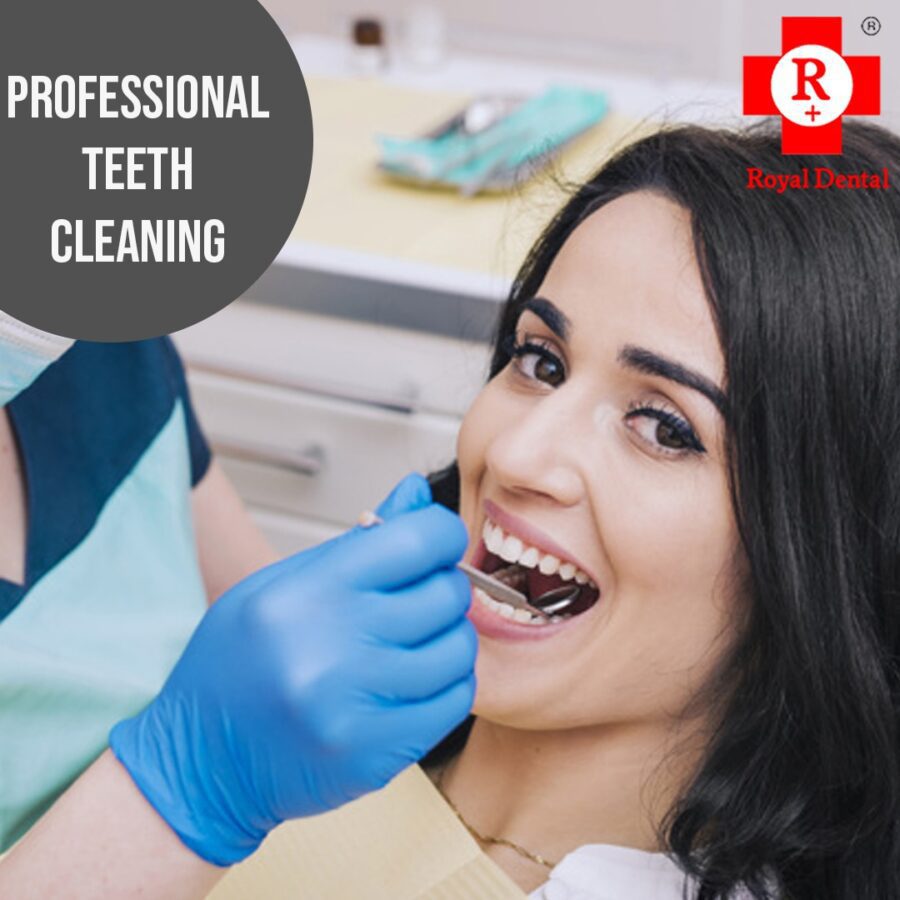
It’s important to visit your dentist regularly for cleanings and check-ups, especially if you have dental implants. Your dental professional can clean around the teeth roots and implant posts to keep them from becoming infected. Dental cleaning and exam can also catch any early problems with the implants themselves, like the formation of plaque or a worn post. Early detection and treatment of these issues can help prevent more serious problems from developing later.
Use the right mouthwash
You don’t need to use mouthwash every day, but if you do choose to use it, use a non-fluoridated mouthwash that doesn’t disrupt the protective barrier around dental implants. If you use mouthwash regularly, make sure to avoid alcohol-containing products that can erode the gums around your implants.
Don’t forget about your tongue and gums
Your tongue and gums are important parts of oral health, and they need attention and care just like the rest of your mouth. Avoid brushing your tongue, as the bristles on your toothbrush can damage the delicate tissues on your tongue which may lead to bleeding and infection. Instead, use a soft-bristled tongue scraper to remove debris from your tongue. You should also brush your gums regularly. Gums can swell and bleed around dental implants, and regular brushing can help prevent this.

Ask your dentist for recommendations
Your dental professional will have expert advice and tips on how to best care for your dental implants. They can also let you know if there are any products or habits you should avoid to keep your implants healthy. They can also help you choose a cleaning and maintenance routine for your dental implants. Your dentist will also be able to recommend maintenance and cleaning procedures, including whether to replace your current implants with newer models.
Conclusion
Dental implants are an excellent way to replace missing teeth and restore your smile. While dental implants are incredibly effective, they do require special care to keep them healthy. To best care for your dental implants, brush with the right technique, floss after every brushing, get regular check-ups and cleanings, use the right mouthwash, and don’t forget about your tongue and gums. Now that you know how to care for your dental implants, you can feel confident that they’ll continue to serve you well for years to come.