


The answer depends on the condition of the tooth and how quickly treatment begins. Modern dentistry offers many techniques to preserve natural teeth that may once have required extraction. Procedures such as dental fillings, root canal treatment, crowns, periodontal therapy, and restorative dentistry can often save damaged teeth while restoring their strength, function, and appearance. Early diagnosis greatly improves the likelihood of successful tooth preservation. Dental problems are a common problem among people. Beyond that, they’re also an increasingly expensive problem for Dentist to Save a Tooth.
If you have an injured, decayed, or loose tooth, your dentist will do everything possible to save your natural tooth. Unfortunately, it’s not always possible, in which case, the tooth will need to be extracted. The biggest factor a dentist looks at when deciding if a tooth can be saved is how much “good” tooth structure there is left. If the tooth is broken at the gumline and has a big cavity that goes down to the bone then there is little hope that the tooth can be saved.
A 2004 study found the cost of dental care had increased by an average of 6% annually over the previous decade, and another study estimated that the annual cost of dental procedures will be $50 billion by 2020. Given these rising costs, what’s a dentist to do? Well, fortunately there are ways for dentists to save teeth that might have previously been at risk for extraction. But what are some ways dentists can save those teeth or keep them healthy? Let’s find out!
Who Is This Article For?
- Patients with damaged or infected teeth
- Individuals advised to undergo tooth extraction
- People seeking a second dental opinion
- Patients interested in preserving their natural teeth
- Anyone wanting to understand modern restorative dentistry
What is a Healthy Tooth?
A healthy tooth is one that has no major cavities, is not discoloured or worn down, and has a strong attachment to the gums. Healthy tooth has no major decay, no cracks, and no root canals. A healthy tooth has healthy gums surrounding it to help keep it in place. A healthy tooth is also usually a natural tooth. Natural teeth are our teeth that are formed inside our mouths as babies.

They are our first teeth that most people will have in their mouths. Natural teeth are not false teeth. Teeth that are false teeth are called dentures. False teeth can be made of different things, like teeth from pigs, teeth from humans, plastic, or metal.
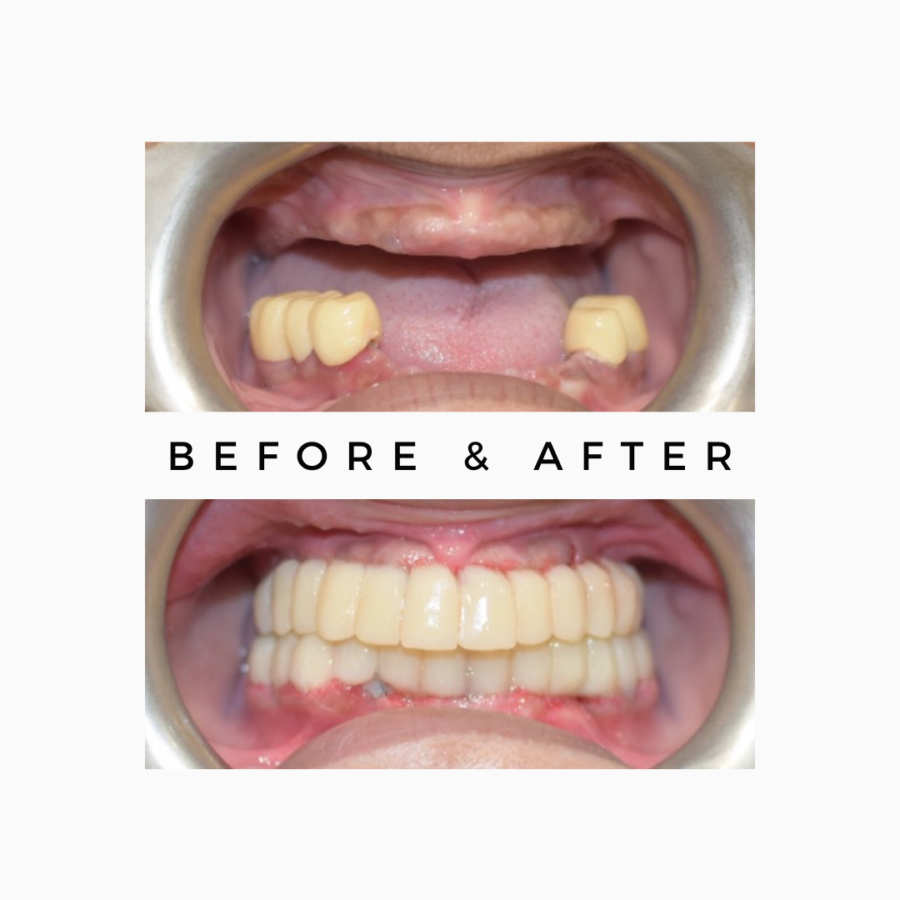
Partial Dentures and Dental Implant
A partial denture is a removable dental appliance that is typically used to replace a few missing teeth. Sometimes, a partial denture can be used to replace a tooth that has become too weak to remain in the mouth. Dentists can also use a partial denture as a base for an implant.
This can be done when a single tooth has been lost but the tooth’s socket remains intact. If a tooth is fully extracted and its socket collapses, it might not be possible to implant a replacement tooth. The partial denture acts as a support structure for the implant, allowing it to remain in place long enough to fuse with the surrounding bone and become part of the oral structure.
Dental Bonding for Broken Teeth
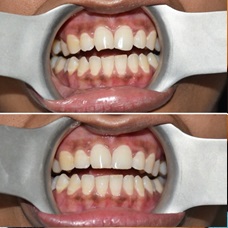
If a tooth is cracked but not entirely broken, a dentist can use dental bonding to repair the damage. Dental bonding is a type of putty that is pressed against the tooth’s surface. This putty hardens to form a sort of seal that protects the tooth from bacteria and other contaminants.
The tooth will likely be sensitive while the bonding material is hardening, but that sensitivity will subside as the material dries and hardens. If there is any decay inside the tooth, bonding will not be a suitable treatment option. However, it can be used to repair cracks in the tooth’s surface.
Regenerative therapy for chipped teeth
If a tooth has been chipped or cracked, a dentist can use a special restoration called a sealant to protect the tooth and prevent debris from entering the crack and causing decay. A sealant is a thin, plastic material that is applied to the biting edge of the tooth.
The sealant is applied in a way that allows it to stick to the tooth’s surface without hardening. The sealant is chemically designed to stay soft, so it does not interfere with the normal functioning of the tooth. Over time, the sealant hardens and protects the tooth by preventing bacteria from entering the crack.
Can a tooth always be saved?
Whenever it’s an option, it’s best to keep your natural teeth. However, saving your tooth is not always possible. If your tooth is cracked or broken due to trauma, especially below the gum line, there may not be any way to preserve the tooth.
Can half a tooth be saved?
If a tiny piece of enamel or filling has chipped off, you may only need a new filling or some bonding material to restore the chipped portion. If only a small piece of your tooth broke off, your dental professional might be able to protect the remainder of the tooth with a crown or filling.
What kind of tooth Cannot be saved?
Wisdom teeth, also known as the third molars, can cause problems with other teeth as they tend to push other teeth to the side, causing them to become misaligned. Many dentists suggest removal of the wisdom teeth before they are completely developed.
Conclusion
Although some teeth may be too severely damaged to restore, preserving the natural tooth is generally preferred because it helps maintain normal chewing function, jawbone health, and proper alignment of neighbouring teeth. Seeking prompt dental care at the first signs of pain, sensitivity, swelling, or visible damage greatly improves the chances of successful treatment. Regular dental examinations also play a key role in identifying problems early, allowing dentists to intervene before more extensive treatment becomes necessary.
Frequently Asked Questions
How hard is it for a dentist to save a tooth?
The difficulty depends on the amount of damage, infection, remaining tooth structure, gum health, and how early treatment begins. Many damaged teeth can be successfully preserved using modern dental techniques.
Can a severely decayed tooth still be saved?
Yes. If sufficient healthy tooth structure remains and the supporting tissues are healthy, treatments such as root canal therapy and dental crowns may successfully restore the tooth.
Is saving a tooth better than extracting it?
Whenever possible, preserving a natural tooth is generally the preferred option because it helps maintain chewing function, jawbone health, and proper alignment of adjacent teeth.
What treatments are commonly used to save a tooth?
Depending on the condition, dentists may recommend fillings, root canal treatment, crowns, periodontal therapy, bonding, or other restorative procedures.
When is tooth extraction necessary?
Extraction may be recommended if the tooth is extensively damaged, has severe infection that cannot be successfully treated, has insufficient supporting bone, or cannot be predictably restored using available dental procedures.
Suggested Article –
Medical Disclaimer
This article is for patient education only. Dental treatment should be planned after clinical examination, medical history review, and X-rays or scans where required. Treatment suitability, cost, timeline, healing, and results vary from patient to patient.