

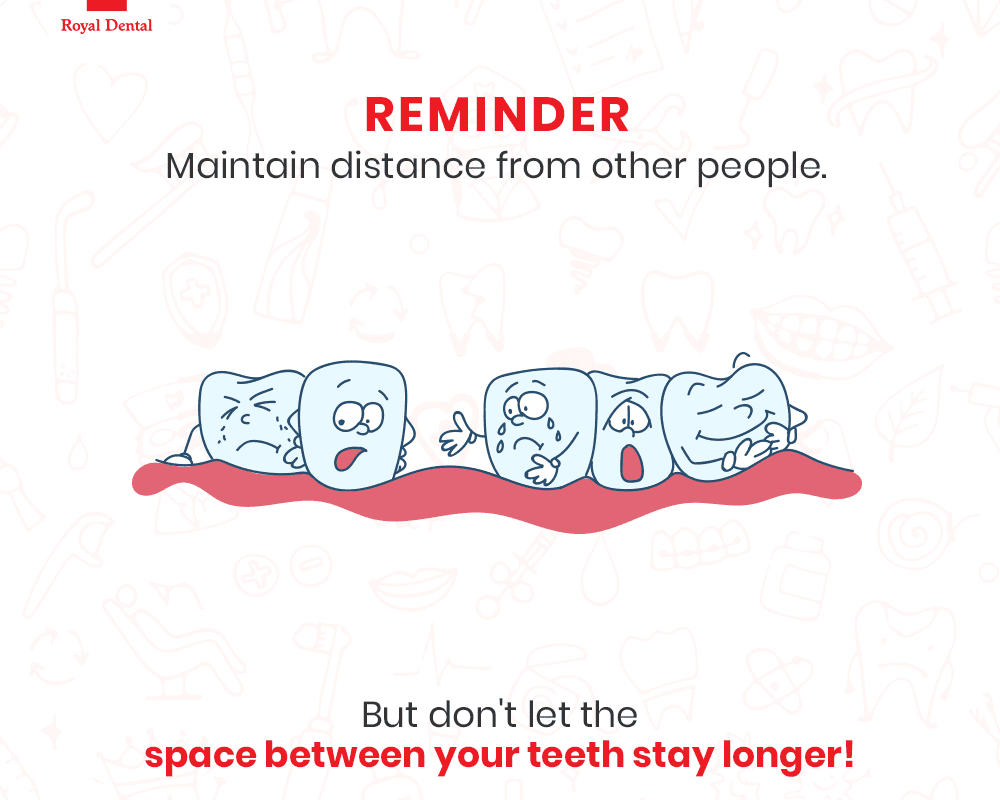
Dental implants are a brilliant solution for restoring the functionality of your teeth and creating an entire new smile. But the process can be complicated and lengthy, especially when you factor in the time needed to heal between phases. If you’re getting ready to get implants, then know the one day protocol vs waiting in between. You don’t want to rush things and risk your oral health with implant dentistry. Dental implant space matters for its success and stability.
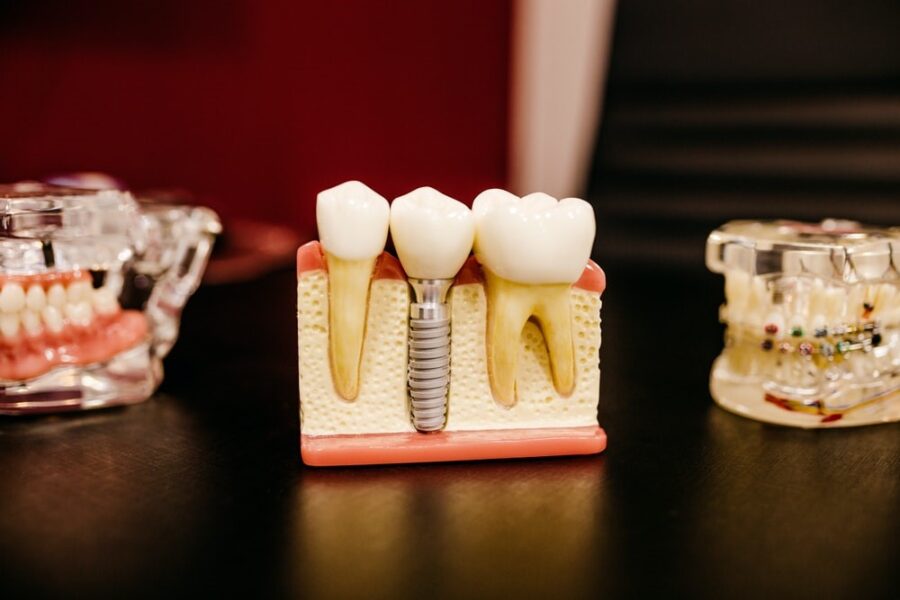
There are two primary phases of implant procedures: placing them and making them look natural. Depending on your needs, dentist, budget, and other factors, they could take place at different times. Here’s what you need to know about waiting between those two phases of implant procedures!
How long does the first phase take?
The first phase of implant procedure begins with extraction of your teeth and ends with placement of the posts. Depending on the state of your gums and oral health, this could take as little as two weeks. But with advancements in technology- this procedure can be completed in one day.
- Health of your gums – If your gums are healthy and don’t have to be treated, then the first phase will take less time.
- State of your teeth – If all of your teeth are in good, healthy shape, the first phase will take less time.
- Type of implant – Depending on the type that your dentist uses, the first phase could take more or less time.
How long should you wait between phases?
Traditionally, now would wait about two to six months between dental implant dentisrty. This gives your gums plenty of time to heal and ensures that you’re as healthy as possible before the next step.
2-3 months: If you’re getting dental implants on your upper teeth, then you should wait two to three months before getting the posts inserted. This gives your gums and bone plenty of time to heal and ensures that your oral health is in good shape for the next phase.
4-6 months: If you have dental implants placed on your lower teeth, then you should wait four to six months before getting the posts inserted. This gives your gums plenty of time to heal and ensures that your oral health is in good shape for the next phase.
Now get Single Stage Implant with Immediate Loading in One Day unlike Traditional Implants in 6 months!
One day dental implants are an advanced procedure that allows dentist to place the implants in one visit. The implant and even the prosthesis can be done on the same day. Mini dental implants are an ultra-small diameter (1.8-millimetre width), biocompatible titanium alloy implant screws. This was conceived and designed over 25+ years ago by a board-certified Manhattan Dentist, Victor I. Sendax, DDS. Dr Sendex originally created the unique design of this unique product as a transitional device to help support fixed bridge replacements.
What happens during the second phase?
The second phase of implant dentistry procedures begins with the placement of the posts and ends with the final restoration. This is the part where the implants will look natural as if they’re not even there. Depending on the state of your gums and other factors, this phase could take as little as a few weeks or as long as a few months. During this phase, your dentist will place posts in your gums to keep everything in place while the bone grows around them. Once they’re in place, the posts will be removed, the artificial crown will be placed on top, and your new teeth will be ready to go.
What happens after the second phase?
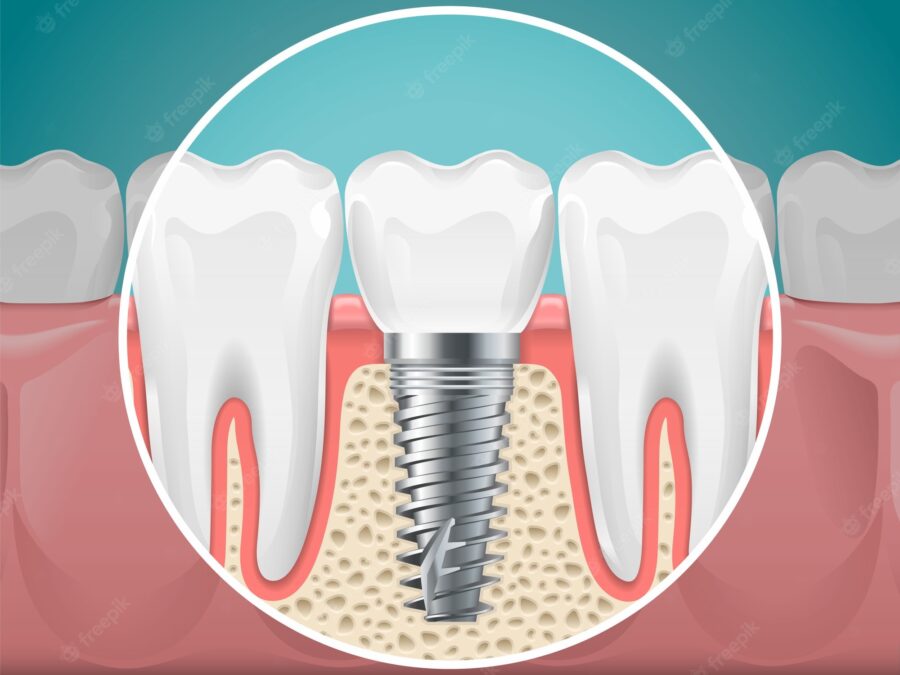
The final phase of dental implants occurs after the final restoration is placed. Depending on the state of your gums and oral health, this phase could take as little as a few weeks or as long as a few months. During this phase, your dentist will place the final restoration on top of the posts. This could be the artificial crown or a fixed bridge depending on your situation. Once the final restoration is in place, dental implants are officially complete and ready to go!
There are several variables that play a role in determining how long the final phase takes, such as:
- Oral health – If you have healthy gums and no oral health issues, then the final phase will take less time.
- State of your gums – If your gums are healthy and you don’t have any issues or complications, then the final phase will take less time.
- Type of implant – Depending on the type of implant that your dentist uses, the final phase could take more or less time.
Final Words: Implant Dentistry
When you’re getting dental implants, it can be tempting to rush the process so that you can get back to your social life sooner. After all, it’s a long and tedious process and nobody likes being on the sidelines while they wait to get back to normal. But don’t rush the process! Timing is everything when it comes to dental implants (and most things in life!). If you rush things and try to move forward before your gums are ready, then you risk pushing your oral health to the brink of collapse. You don’t want to put your oral health at risk just so that you can get back to your social life sooner!
Conclusion
Proper implant spacing is one of the most important factors in achieving strong, healthy, and natural-looking dental implants. Every patient’s mouth is different, which is why careful planning and advanced imaging are essential before treatment. At Royal Implant, our experienced specialists create personalized treatment plans to ensure the best possible long-term outcome.
Frequently Asked Questions
1. How much space is required between dental implants?
The ideal spacing between dental implants depends on your individual anatomy and treatment plan. In most cases, dentists maintain a minimum distance of about 3 mm between two adjacent implants to preserve healthy bone and gum tissue. The exact spacing is determined using digital scans, X-rays, and clinical evaluation to ensure optimal function and long-term success.
2. Can dental implants be placed too close together?
Yes. If dental implants are placed too close together, there may not be enough bone and soft tissue to support them properly. This can increase the risk of bone loss, gum recession, and implant complications over time. Careful treatment planning helps ensure the implants are positioned safely and securely.
3. Does implant spacing affect healing?
Absolutely. Proper implant spacing promotes better blood circulation, healthy bone healing, and stable gum tissue around each implant. Correct positioning also helps distribute chewing forces evenly, improving the long-term durability and success of the dental implants.
4. What if I don’t have enough jawbone for proper implant spacing?
If there isn’t enough jawbone, your dentist may recommend procedures such as bone grafting or a sinus lift (for upper jaw cases) before placing the implants. These treatments help create sufficient bone volume to support implants safely and achieve the ideal spacing for long-lasting results.
5. Can implant spacing be adjusted after surgery?
Implant spacing is carefully planned before surgery using advanced imaging and digital treatment planning. Once an implant has fused with the jawbone, its position cannot be easily changed. If repositioning is necessary, additional treatment may be required. This is why choosing an experienced implant specialist and proper pre-surgical planning are essential.
Medical Disclaimer
This article is for patient education only. Dental treatment should be planned after clinical examination, medical history review, and X-rays or scans where required. Treatment suitability, cost, timeline, healing, and results vary from patient to patient.