

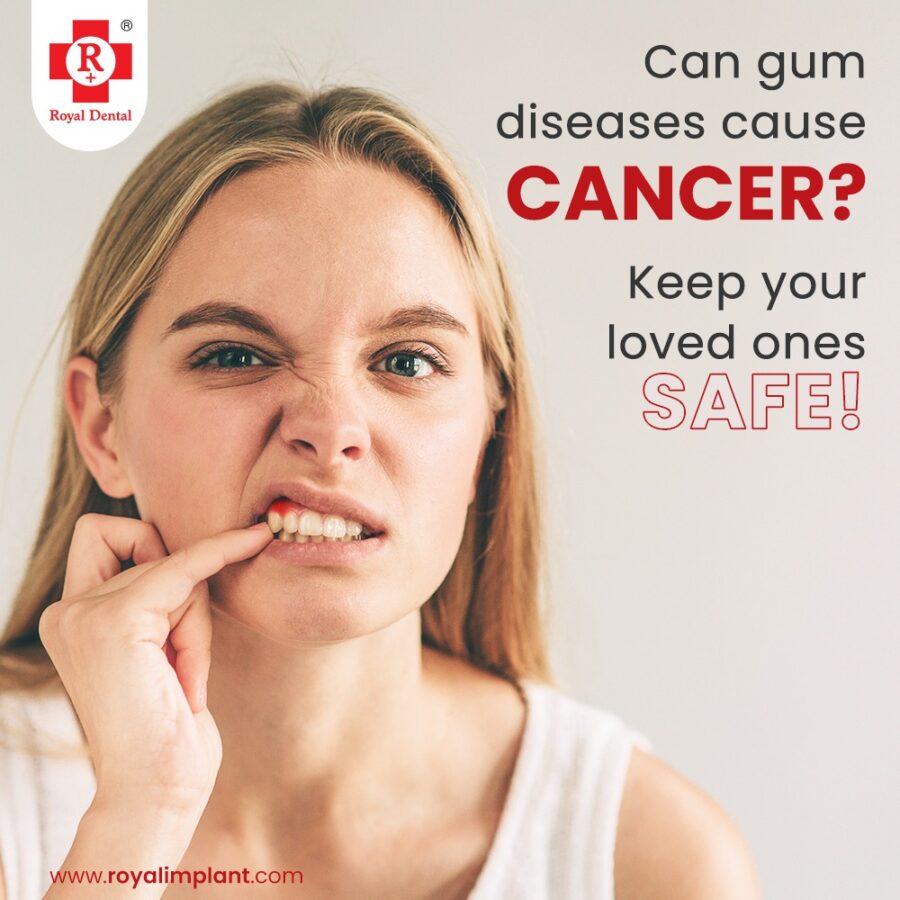
Research shows that gum disease and poor oral hygiene are associated with a higher risk of some cancers, especially oral and head-and-neck cancers. However, this does not mean gum disease directly causes cancer in every patient. Cancer risk is influenced by many factors such as tobacco, alcohol, HPV infection, genetics, diet, immunity, and long-term inflammation. The safe message is: healthy gums reduce infection and inflammation, and regular dental visits help detect suspicious changes early. A 2024 meta-analysis found a significant association between periodontitis and oral cancer, but the certainty of evidence was low. Recently it has been linked with an increased risk of malignancy cancer. Does Gum Disease Have Higher Risk For Cancer?
Who is this article for?
This article is for patients with bleeding gums, bad breath, loose teeth, gum swelling, pus, tartar, tobacco habits, diabetes, poor oral hygiene, or a family concern about oral cancer. It is also useful for patients who have been told they have gum disease and want to understand whether it can affect overall health. Gum disease does not mean a patient will get cancer, but long-term gum infection and poor oral hygiene should not be ignored.
Why chronic gum inflammation matters
Gum disease causes long-term inflammation around the teeth and supporting bone. When gums bleed easily, bacteria and inflammatory chemicals may remain active in the mouth for months or years. This unhealthy oral environment may support tissue damage, bad breath, tooth mobility, and delayed healing. In cancer discussions, chronic inflammation is important because it may add to other risks, especially in patients who smoke, chew tobacco, drink alcohol, or have poor nutrition.
Tobacco, alcohol and poor gums are a risky combination
Tobacco and alcohol are major risk factors for oral cancer. When poor oral hygiene, gum infection, sharp teeth, ill-fitting dentures, or chronic mouth irritation are also present, the mouth becomes more vulnerable. Patients who smoke, chew tobacco, use gutkha, supari, paan, or drink alcohol should take gum bleeding and mouth ulcers seriously. Poor oral hygiene may also increase the harmful effect of known carcinogens like tobacco and alcohol.
Warning signs that need dental or oral cancer screening
Patients should visit a dentist or oral surgeon if they notice a mouth ulcer that does not heal, red or white patches, unexplained bleeding, persistent gum swelling, loose teeth without obvious reason, difficulty swallowing, burning, numbness, jaw pain, or a lump in the mouth or neck. Most gum problems are not cancer, but early examination is important. A routine dental check-up can identify gum disease, infection, sharp teeth, tobacco-related changes, and suspicious lesions before they become more serious.
How to reduce gum disease cancer risk?
Patients can reduce risk by brushing twice daily, cleaning between teeth, removing tartar professionally, stopping tobacco, limiting alcohol, treating loose or sharp teeth, managing diabetes, and visiting the dentist regularly. Gum disease is largely preventable and treatable with good oral hygiene and professional cleaning, especially in its early stage. The CDC describes gum disease as inflammation and infection of the tissues supporting teeth, with gingivitis being preventable and treatable with routine hygiene and professional cleanings.
Researchers say that advanced gum disease is associated with an increased risk of cancer.
Tufts University
What causes periodontitis or gum disease?
Periodontitis caused by gram negative anaerobic microorganisms resulting in inflammation of gums. Leading to attachment and bone loss causing pocket formation and recession. There chronic release of inflammatory cytokines, prostaglandins, growth factors, enzymes all of which closely associated with development of cancer. Research claims that the bacteria that cause periodontal disease can travel from mouth directly into the lungs or from the mouth directly into the colon giving rise to colon cancer causing an inflammatory reaction that could increase the risk for carcinogenesis.
“A small but significant increase in the risk of pancreatic cancers, is seen in patients with severe gum disease.”
Pancreas is not open to the oral cavity. But there are other ways that bacteria can end up in an organ! For example bacteria can enter into the blood stream from bleeding gums and it might circulate and deposit in an organ causing an inflammatory reaction. In up to 28 years of follow-up, people with a history of (gum) disease were 43% more likely to develop esophageal cancer and 52% more likely to develop (stomach) cancer compared with people whose gums were healthier.
In up to 28 years of follow-up, people with a history of periodontal (gum) disease were 43% more likely to develop oesophageal cancer and 52% more likely to develop gastric (stomach) cancer compared with people whose gums were healthier.
HEALTHLINE.IN
Does Gum Disease Have Higher Risk For Cancer?
May be yes.
- Poor oral hygiene may also increase the risk of oral cancers.
- Malnutrition, dietary deficiency of iron, vitamin A and C may also be some factors that increase the risk for oral cancer.
- Smoking, Tobacco and alcohol also known as carcinogens.
- Poor oral hygiene with tobacco and alcohol have additive effects on oral cancer i.e. it aids in the carcinogenic potential of these two substances.
In up to 28 years of follow-up, people with a history of periodontal (gum) disease were 43% more likely to develop esophageal cancer and 52% more likely to develop gastric (stomach) cancer compared with people whose gums were healthier. Severe Gum Disease Leads to Higher Risk of Cancer.
Tufts University
Hence, Factors contributing to poor oral hygiene include irregular tooth brushing, Infrequent visits to a dentist, poor socio-economic status, lower level of education and habits.
Hence, Squamous cell carcinoma constitutes the major cancer of the oral cavity. The sites involved are tongue, floor of the mouth, gums, cheek.
It’s important that while gum disease or periodontal disease do not cause oral cancer of any kind, having either of these oral conditions could increase your risks. This is what makes regular dentist visits and proper hygiene vital.
FAQs to be added
Can gum disease cause cancer?
Gum disease should not be described as a direct cause of cancer. Current research shows an association between gum disease, poor oral hygiene, chronic inflammation, and increased cancer risk, especially when other risk factors like tobacco or alcohol are present. The practical message is to treat gum disease early and attend regular dental check-ups.
Should I worry if my gums bleed?
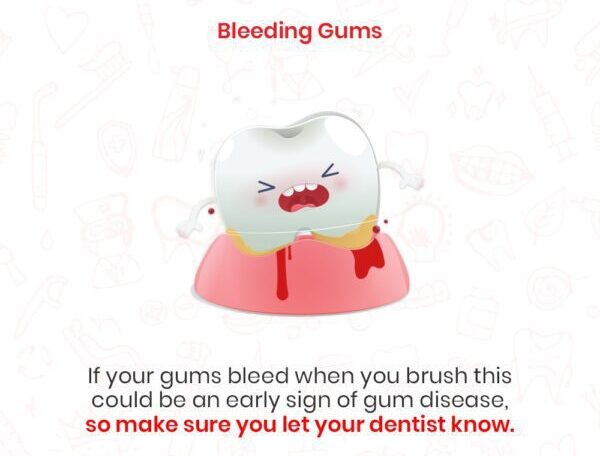
Bleeding gums are commonly due to plaque, tartar, brushing injury, or gum disease, but they should not be ignored. If bleeding continues, or if there is swelling, pus, bad breath, loose teeth, ulcers, or tobacco use, a dental check-up is advised. Early gum treatment is simpler and safer than waiting for pain or tooth mobility.