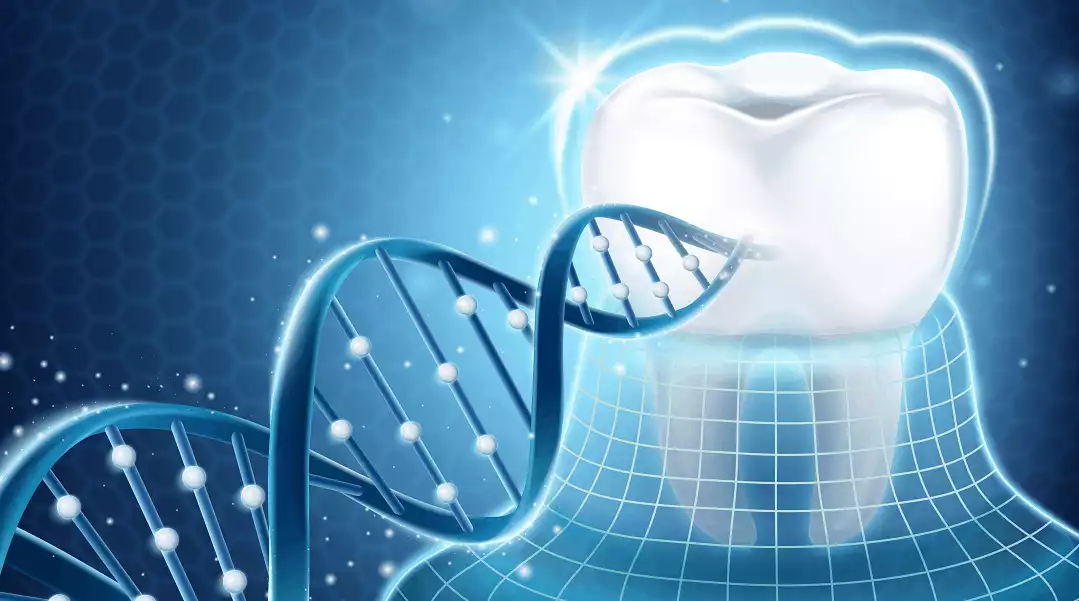
We often think of a beautiful smile as something we create with good oral hygiene, but sometimes, the blueprint for our teeth is a little more complex. The appearance, structure, and even the number of our teeth can be influenced by our genes, passed down through generations. While a family history of crooked teeth might be a common dinner-table topic, there are a number of more serious genetic disorders that can significantly impact dental health, from abnormal enamel and dentin development to the complete absence of teeth. This blog post will explore some of these fascinating—and sometimes challenging—conditions, shedding light on the intricate connection between our DNA and our dazzling smile.
What are Genetic Disorders that affect teeth?
Genetic disorders that affect teeth include:
Amelogenesis imperfecta
During tooth development, this disease disrupts the process of enamel creation. Teeth that are tiny, discolored, pitted, or grooved may be the outcome. The teeth may be more vulnerable to breakage and decay if the enamel is weak.
Anodontia
The total absence of teeth is known as anodontia. It may manifest alone or as a component of a hereditary condition. Chewing, speaking, and facial attractiveness are all severely impacted by this illness, which frequently calls for dental prostheses or implants for both functional and esthetic repair.
Hypodontia
Hypodontia is the term for a condition in which one to six teeth, excluding the wisdom teeth (third molars), are partially absent. This disorder may result in functional problems that call for orthodontic treatment, gaps in the dental arch, and misalignment of the remaining teeth.
Oligodontia
With the exception of the third molars, ligodontia is a more severe type of tooth agenesis in which more than six teeth are absent. It may result in severe difficulties with speaking, chewing, and facial appearance, requiring extensive dental care and maybe prosthodontic treatments.
Cleidocranial dysplasia
The development of bones, notably the skull and collarbones, is impacted by this genetic condition. It frequently causes teeth to erupt later than expected, leaving some missing and some malformed. To cure dental problems brought on by cleidocranial dysplasia, patients may need orthodontic therapy, oral surgery, and other procedures.
Types of Genetic Oral and Dental Abnormalities
- The condition known as hyperdontia is defined by the existence of more teeth than is typical. Supernumerary teeth are extra teeth that can grow in different parts of the mouth and may not erupt properly, causing crowding, misalignment, and other dental problems.
- Dentin, the hard tissue that lies beneath the enamel of teeth, is affected in its development by a genetic condition called dentinogenesis imperfecta. Teeth affected by this illness may be stained, transparent, and brittle. People who have dentinogenesis imperfecta may be sensitive to their teeth and may need dental procedures like bonding or crowns to make their teeth look and feel better.
- Generic gingival fibromatosis is an uncommon hereditary condition characterized by an excessive proliferation of gingiva, or gum tissue. An expanded or “bulky” appearance of the gums due to extra gum tissue can have an impact on oral hygiene, chewing, and speaking. To decrease the extra gum tissue and restore the natural gum contour, treatment usually entails surgery.
Seeking Treatment
You can be confident that the dental care you receive at Royal Dental Clinics is thorough and individualized. In addition to restorative care, cosmetic dentistry, orthodontics, and oral surgery, our clinic provides a wide range of services. Our skilled group of specialists and dentists is committed to providing top-notch care in a friendly and cozy setting.
The Royal Dental Clinics can meet your demands for any type of dental operation, including braces, dental implants, cavity treatment, cleanings, and whitening of teeth. Ensuring that you are aware of your treatment options and actively involved in the decision-making process surrounding your dental health is something we place a high priority on.
FAQs
Q. What services does Royal Dental Clinics offer?
Many dental services are offered by Royal Dental Clinics, such as orthodontics, oral surgery, cosmetic dentistry, restorative dentistry, and more.
Q. How often should I visit the dentist for check-ups?
It is normally advised to schedule routine cleanings and examinations at the dentist every six months. Nonetheless, depending on your demands for dental health, our dentists could advise more frequent visits.
Q. Do you offer sedation dentistry for anxious patients?
Yes, we provide sedation dentistry options for patients who experience anxiety or fear during dental procedures. Our goal is to ensure your comfort and relaxation during treatment.
© All rights reserved by Royal Dental Implants Pvt Ltd
Issued in public interest