

Maintaining our natural teeth is a priority for most people, given their functionality, aesthetics, and contribution to overall oral health. However, dental issues like cavities, infections, or fractures often lead to a critical decision extract or attempt to save the tooth? This dilemma involves evaluating various factors, including long-term health, cost, and recovery. Deciding between Extraction Vs Saving Natural Teeth? Learn the pros, cons, and recovery details to make the right choice.
At Royal Dental Clinic, we believe that informed patients are empowered to make the best choices for their long-term dental health. Through this blog, we will guide you on how to navigate this decision confidently and discuss key questions to ask your dentist, so you understand every aspect of the treatment options available.
Why Saving Natural Teeth Is Better Than Extraction?
Preserving a natural tooth, whenever possible, remains one of the most important principles in modern dentistry. A natural tooth provides unmatched biological compatibility, sensory feedback, and load distribution that no artificial replacement can fully replicate. When the root is healthy and the surrounding bone is stable, saving the tooth often offers better long-term comfort and function than immediate extraction.
Many teeth that appear severely damaged can still be restored with advanced techniques such as post and core restorations. By reinforcing the remaining tooth structure from within, dentists can rebuild strength and stability before placing a protective crown. This approach allows patients to retain their natural roots while restoring full chewing efficiency and aesthetics.

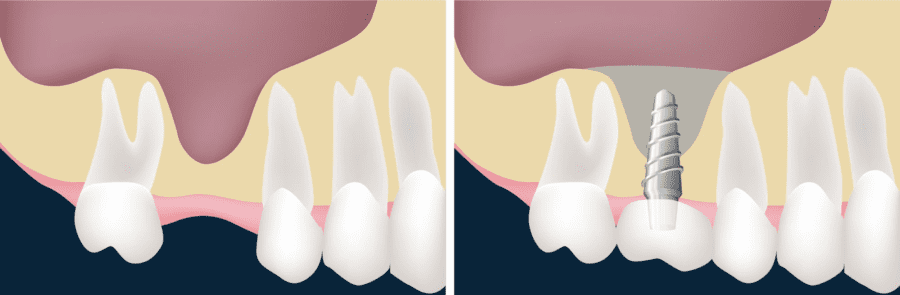
Extraction, while sometimes necessary, comes with consequences. Removing a tooth can lead to bone loss, shifting of adjacent teeth, changes in bite alignment, and the need for more complex treatments in the future. Preserving a natural tooth helps maintain jawbone integrity and prevents a cascade of additional dental problems.
Post and core treatments, when combined with modern materials and precise planning, offer durable and predictable outcomes. These restorations distribute biting forces evenly and protect the remaining tooth from fracture, often allowing the tooth to function comfortably for many years. With proper care, a well-restored natural tooth can last just as long as many artificial alternatives.
Ultimately, the goal of dentistry is not just replacement, but preservation. Choosing to save a natural tooth whenever clinically feasible respects the body’s original design and often leads to better long-term oral health. At Royal Dental, every effort is made to conserve natural teeth before considering extraction—because sometimes, the best replacement is the tooth you already have.
Natural strength and functionality
Natural teeth are significantly stronger and more durable than artificial replacements. Their roots stimulate the jawbone, maintaining its density and preventing deterioration. Preserving the natural tooth ensures proper biting, chewing, and speech functions, contributing to overall well-being
Aesthetic benefits
A natural tooth seamlessly blends with neighbouring teeth, maintaining your smile’s aesthetics. Replacing a missing tooth with an implant, bridge, or denture can sometimes lead to unnatural appearance or discomfort. Saving your tooth retains your natural smile and facial structure.
Cost-effectiveness in the long term
Although the initial costs for procedures like root canals followed by post and core restoration might seem high, they are often more economical over time. They help prevent further dental issues, such as bone loss and misalignment, which can be costly to treat later.
When is Extraction the Better Choice?
In certain situations, extraction becomes the necessary and safest option. These include:
- Severely fractured roots below the gum line
- Extensive decay or damage beyond repair
- Advanced gum disease leading to significant bone loss
- Persistent infections unresponsive to endodontic therapy
- Poor prognosis due to structural weakness or previous failed treatments
In these cases, removing the tooth prevents further infection or complications and allows for other restorative options like implants or dentures to restore function and aesthetics.
Benefits of Saving Your Natural Tooth
Preservation of natural function and structure
Root canal therapy aims to eliminate infection while retaining the tooth’s natural structure, allowing continuous function without the need for artificial replacements.
Maintains jawbone integrity
The roots of your natural teeth stimulate the jawbone, preventing resorption. Preservation of this stimulation maintains facial contours and reduces the risk of bone loss, which often occurs with missing teeth.
Extracting a tooth can lead to adjacent teeth shifting into the gap, causing bite misalignments, TMJ problems, or difficulty chewing. Saving the tooth helps maintain proper alignment and occlusion.
Cost benefits over time
While root canal treatment and post-core procedures may have initial costs, they are generally less expensive than replacing missing teeth later through implants or bridges, which involve additional surgeries and costs.
Drawbacks and Risks of Saving a Tooth
- Potential for future fractures if the remaining tooth structure is weak
- Possible need for follow-up treatments if complications arise
- Not suitable in cases of severe structural damage or periodontal disease
THE PROCESS OF SAVING A TOOTH
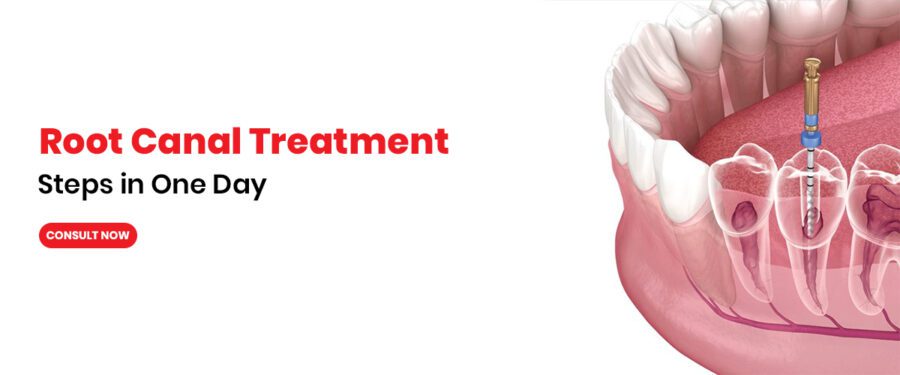
Root canal treatment involves removing infected pulp tissue, disinfecting the canal, and sealing it. Often, a post and core are placed to strengthen the tooth if necessary, followed by crowning for added durability. This process preserves the natural tooth, maintaining aesthetics and function.
The Root Canal and Post-Core Procedure at Royal Dental Clinic
- Diagnosis: Using advanced imaging and clinical evaluation, the team assesses the tooth’s condition to determine suitability for RCT.
- Root Canal Therapy: The infected pulp is carefully removed, canals disinfected, and filled with biocompatible material.
- Post Placement: For teeth weakened by decay or trauma, a post is anchored inside the canal to provide structural support.
- Core Build-Up: Composite materials rebuild the portion of the tooth lost to damage.
- Final Restoration: A crown is placed to restore full function and appearance.
Throughout the process, Royal Dental Clinic prioritizes patient comfort with modern anesthesia and pain management techniques.
Final Decision: Extraction Vs Saving Natural Teeth
The optimal choice depends on individual circumstances, including the extent of damage, periodontal status, and patient preferences. Consulting with an experienced dentist or endodontist is crucial to assess the prognosis. Most dental professionals advocate for saving the natural tooth whenever feasible because of the numerous benefits associated with it
At Royal Dental Clinic in Kandivali East, Mumbai, patient care and preserving natural teeth whenever possible is a guiding principle. When faced with a damaged or infected tooth, the decision between extraction and saving the natural tooth through root canal therapy (RCT) combined with post and core restoration is critical. Understanding the benefits, risks, and long-term outcomes of each option empowers patients to make confident decisions for their oral health.
Conclusion
While extraction might be necessary in certain cases, the advantages of preserving your natural tooth through root canal therapy with post and core are compelling. It maintains your bite, facial aesthetics, and long-term mandibular health, often providing a more cost-effective and less invasive solution. Regular dental check-ups and timely intervention play essential roles in ensuring the best outcome for your oral health.