

For many of us, visiting the dentist can be a nerve-wracking experience. But for some, dental dread can be so overwhelming that it prevents them from seeking proper dental care altogether. As someone who once suffered from such fears, I know firsthand how daunting it can be to overcome them. In this personal essay, I’ll share my journey from dental dread to dental delight. I’ll talk about the fears that plagued me in childhood, how they affected my dental health, and the steps I took to overcome them. In this essay, we will share insights on overcoming dental anxiety to dental delight. Dental fear is very common across ages for treatment.
Whether you’re someone who experiences dental anxiety or are simply curious about the journey to overcoming it, I hope my story will inspire and inform you. So sit back, relax, and let me take you on a journey to dental treatment.
Who is this Article For?
This article is for patients who feel nervous, scared, uncomfortable, or anxious before visiting a dentist. It is helpful for people who delay dental treatment because of fear of pain, needles, drilling sounds, past dental experiences, gag reflex, long appointments, or the thought of sitting on the dental chair. This article is also useful for patients who know they need dental care but keep postponing consultation because of fear, embarrassment, doubt, or lack of confidence.
Understanding Dental Anxiety
Dental anxiety, also known as dental phobia, is a common condition that affects many people. It is an intense fear or apprehension that is triggered by the thought of visiting a dentist or receiving dental treatment. The level of anxiety can vary from mild to severe, and it can cause a range of physical and emotional symptoms.
People who suffer from dental anxiety may avoid dental visits altogether. Or they may only seek treatment when they are experiencing extreme pain or discomfort. This avoidance can lead to serious oral health problems, as dental issues that could have been easily treated can become much more serious and require more extensive and costly treatment. As someone who once suffered from dental anxiety, I understand the importance of overcoming this fear. I know how it can negatively impact one’s health and well-being, and I have experienced firsthand the benefits of seeking help to overcome it.
Impact of dental anxiety on oral health can be significant. Some of the potential consequences include:
- Delayed or missed dental appointments: People who suffer from dental anxiety may avoid or delay dental appointments, which can result in the progression of dental problems.
- Poor oral hygiene: People with dental anxiety may neglect their oral hygiene routine, which can lead to tooth decay, gum disease, and other oral health issues.
- Increased risk of tooth loss: Dental anxiety can lead to untreated dental problems, which can increase the risk of tooth loss.
- Compromised overall health: Poor oral health can also have an impact on overall health, as untreated dental problems can increase the risk of systemic diseases such as heart disease and diabetes.
It is important for people who suffer from dental anxiety to seek treatment and support to overcome their fears. There are several strategies that can be effective in reducing dental anxiety, including cognitive-behavioral therapy, relaxation techniques, and sedation dentistry. With the right support and treatment, people with dental anxiety can receive the dental care they need to maintain good oral health and overall well-being.
Childhood experiences that led to Dental Anxiety
My dental anxiety began in childhood. I was about seven years old when I had my first dental visit, and it was not a pleasant experience. The dentist was cold and distant, and the tools he used scared me. I remember feeling helpless and trapped in the dental chair. Unfortunately, my negative experience did not end there. Over the years, I had several traumatic dental experiences that reinforced my fear. I had cavities filled without anaesthesia, and I remember feeling the pain and discomfort acutely. I also had a few incidents where the dentist accidentally nicked my gums, causing them to bleed profusely. All these experiences created a deep-seated fear of dental visits that lasted well into adulthood.
How Dental Anxiety affects Oral Health?
My dental anxiety had a significant impact on my oral health. I avoided dental visits, even when I had dental problems that needed attention. As a result, my teeth deteriorated rapidly, and I developed several cavities and gum disease. Moreover, my dental anxiety also affected my overall well-being. I felt stressed and anxious whenever I thought about visiting the dentist. The fear was so intense that it affected other aspects of my life, including work and social activities. I knew I needed to do something to overcome my fear, but I didn’t know where to start.
The turning point: Overcoming Dental Anxiety
The turning point for me was when I realized that my dental anxiety was preventing me from living my life to the fullest. I knew I needed to seek help to overcome my fear and take control of my dental health. Then I started by doing some research on dental anxiety and discovered that it was a common condition that many people experienced. I also learned that there were several treatment options available, including therapy and relaxation techniques. Armed with this knowledge, I decided to take the first step towards overcoming my fear.
Overcoming Dental Anxiety
Talk to your dentist: It is important to let your dentist know about your anxiety and any past negative experiences that you may have had. Your dentist can then work with you to create a plan that makes you feel more comfortable and in control during your appointments.
Seek therapy: Cognitive-behavioral therapy (CBT) is a type of therapy that has been shown to be effective in managing dental anxiety. CBT helps individuals to identify and challenge negative thoughts and beliefs about dental procedures, as well as develop coping strategies.
Use relaxation techniques: Deep breathing exercises, progressive muscle relaxation. And guided imagery are all relaxation techniques that can help reduce anxiety before and during dental procedures.

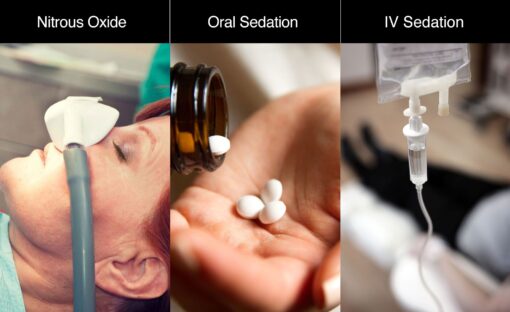
Consider sedation dentistry: Sedation dentistry involves the use of medications to help relax the patient during the dental procedure. There are several options available, including nitrous oxide (laughing gas), oral sedation, and IV sedation.
Use distraction techniques: Listening to music, watching a movie or TV show, or using virtual reality can all be effective distractions during dental procedures.
Take breaks: It is important to communicate with your dentist and take breaks as needed during the dental procedure to help manage anxiety.
Role of professionals for patients in overcoming anxiety
Creating a comfortable environment: The dental office environment can be made more comfortable by providing calming music, aromatherapy, and comfortable seating. This can help to reduce anxiety and create a more relaxed atmosphere.
Clear communication: Dental professionals should communicate with their patients in a clear and compassionate manner, explaining the procedures and addressing any concerns or questions the patient may have.
Empathy: Showing empathy towards patients can help to build trust and make them feel more at ease. Dental professionals should be sensitive to the patient’s feelings and concerns, and take the time to listen to them.
By taking these steps, dental professionals can help patients to overcome their dental anxiety and receive the dental care they need for good oral health.
Using distraction techniques: Distraction techniques such as providing headphones for music or videos. Or using virtual reality, can help to distract patients from their anxiety and make the dental experience more pleasant.
Offering sedation dentistry: Dental professionals can offer sedation dentistry options to help patients manage their anxiety. This can include nitrous oxide (laughing gas), oral sedation, or IV sedation.
Referring patients to therapy: Dental professionals can refer patients to a therapist who specializes in dental anxiety or cognitive-behavioral therapy (CBT) to help patients overcome their anxiety.
Encouraging others to seek help for dental anxiety
My journey to overcoming dental anxiety was not easy, but it was worth it. I now have a healthy dental routine and approach dental visits with confidence. If you’re someone who experiences dental anxiety, I encourage you to seek help. There are several treatment options available, and with the right support, you can overcome your fear and take control of your dental health.
Conclusion
Dental anxiety can be a debilitating condition that prevents people from seeking proper dental care. However, with the right support and treatment. It is possible to overcome this fear and take control of your dental health. My journey from dental dread to dental delight was not easy, but it was worth it. I hope that my story will inspire and inform others who may be struggling with dental anxiety.
Dental anxiety can stop patients from receiving timely dental care, even when they have tooth pain, cavities, gum problems, missing teeth, or other oral health concerns. Avoiding dental visits may allow small dental problems to become more serious over time. The journey from dental anxiety to delight begins when patients feel heard, understood, guided, and supported during every step of treatment.
FAQs
1. What is dental anxiety?
Dental anxiety is fear, nervousness, or stress related to dental visits or dental treatment. Some patients may feel anxious because of pain, needles, drilling sounds, previous bad experiences, embarrassment, or fear of the unknown.
2. Why do some patients avoid visiting the dentist?
Patients may avoid dental visits because they are scared of pain, treatment cost, long procedures, injections, dental instruments, or previous negative experiences. Some patients also delay treatment because they feel embarrassed about their oral condition.
3. Can dental anxiety affect oral health?
Yes, dental anxiety can affect oral health because patients may delay check-ups, cleaning, fillings, root canal treatment, gum care, or tooth replacement. This delay may allow cavities, gum disease, infections, or tooth loss to become worse.
4. How can a dentist help anxious patients?
A dentist can help anxious patients by explaining the treatment clearly, listening to their concerns, taking breaks when needed, using gentle techniques, planning pain control, and creating a comfortable treatment environment.
5. What can patients do before a dental appointment?
Patients can prepare by writing down their concerns, asking questions, reaching the clinic early, avoiding unnecessary overthinking, practising slow breathing, and informing the dentist about their fear before treatment begins.
6. Is painless dental treatment possible?
Many dental procedures can be made more comfortable with local anaesthesia, modern technology, careful treatment planning, and dentist-guided pain control. The level of comfort depends on the treatment type and the patient’s condition.
7. Can sedation help with dental anxiety?
Sedation may help selected patients who have severe dental anxiety, gag reflex, long procedures, implant treatment, wisdom tooth removal, or complex dental care. The dentist will decide suitability after checking medical history and treatment needs.
8. Should I tell my dentist that I am scared?
Yes, you should tell your dentist if you feel scared or anxious. This helps the dentist adjust the pace of treatment, explain each step, and plan comfort measures according to your needs.