

Dental emergencies can be among the most distressing and painful experiences a person faces. Whether it’s a sudden, sharp toothache or a severe infection causing swelling and discomfort, these urgent situations require immediate attention. One of the most critical and time-sensitive treatments in such cases is an emergency tooth extraction. This procedure involves the removal of a tooth that is causing significant problems and cannot be saved through other dental treatments. Understanding the signs that indicate when an emergency extraction is necessary—and why postponing treatment can lead to severe consequences—is essential for protecting both your oral and overall health. Teeth that are severely decayed, infected, or damaged can quickly escalate into serious health issues if not addressed promptly.
Delaying care can increase pain, lead to infections that spread beyond the mouth, and complicate future dental treatments. In this article, we’ll explore the common reasons emergency tooth extraction becomes necessary, th risks of delaying treatment, what to expect during the procedure, and important aftercare tips to ensure a smooth recovery.
What Is Emergency Tooth Extraction?
An emergency tooth extraction is a dental procedure performed urgently to remove a damaged, decayed, or infected tooth that cannot be saved or is causing acute issues. Unlike routine extractions, which are scheduled and planned, emergency extractions are carried out to alleviate intense pain, prevent further infection, or manage trauma to the mouth.

When Is Emergency Tooth Extraction Necessary?
Emergency tooth extraction is typically recommended when a tooth is beyond repair and is causing severe pain, infection, or other urgent dental issues that require immediate attention. Visiting a tooth extraction dentist promptly can make all the difference in saving your overall oral health. Here are some common scenarios when emergency tooth extraction becomes necessary:
Severe Tooth Decay or Infection
When a tooth is heavily decayed or infected, especially if an abscess (a pocket of pus caused by infection) develops, the pain can become unbearable. In many cases, the infection cannot be controlled by antibiotics alone, and extraction becomes essential to stop the spread of infection to surrounding teeth, gums, and even other parts of the body. A skilled tooth extraction dentist can remove the tooth quickly to prevent further complications and provide relief.
Trauma or Injury
Accidents, sports injuries, or falls can cause a tooth to fracture, crack severely, or become dislodged. In these urgent situations, saving the tooth might not always be possible, and emergency extraction is needed to avoid infection and alleviate pain. Immediate care by a professional ensures the best outcome, whether it’s extraction or repair.
Impacted Wisdom Teeth
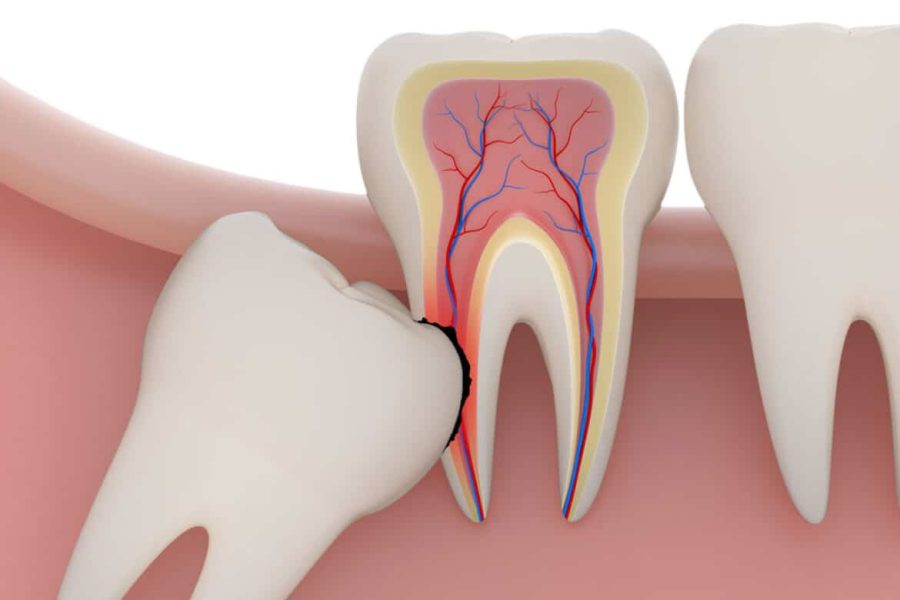
Impacted wisdom teeth are a common cause of dental emergencies. When these third molars are trapped beneath the gum line, they can cause swelling, pain, and infection. Often, the discomfort escalates quickly, making emergency extraction necessary. In cities like Mumbai, where dental clinics specialize in urgent care, you can get tooth extraction in Mumbai on the same day to relieve symptoms fast.
Advanced Gum Disease
Periodontal disease, when left untreated, causes the gums and bone supporting the teeth to deteriorate. This results in loose teeth that might need to be extracted to prevent further damage to your oral structures. Early intervention by a tooth extraction dentist can sometimes save teeth, but in severe cases, emergency extraction is the safest option.
Failed Root Canal Treatment
Although root canal therapy is designed to save infected teeth, sometimes the treatment fails or the tooth develops a new infection or persistent pain. In such cases, the best course of action is often an emergency extraction to remove the source of pain and infection. If you’re looking to save teeth in one day or require immediate attention, consulting an experienced tooth extraction dentist who offers urgent services—including tooth extraction in Mumbai—can provide quick and effective relief. Delaying emergency extraction not only prolongs discomfort but also increases the risk of complications.
Why You Shouldn’t Delay an Emergency Tooth Extraction
When faced with intense tooth pain or a dental emergency, it might be tempting to put off seeing a dentist, hoping the discomfort will subside on its own. However, delaying an emergency tooth extraction can lead to serious consequences that affect not only your oral health but your overall well-being. Here’s why you should seek prompt care from a tooth extraction dentist and never delay urgent treatment:
1. Prevent Worsening Pain and Discomfort
Severe tooth infections or damage rarely improve without professional treatment. Ignoring the problem allows pain to intensify, often becoming unbearable and interfering with your daily life—making eating, talking, and even sleeping difficult. Emergency tooth extraction provides rapid relief by removing the source of pain.
2. Stop the Spread of Infection
Dental infections can spread quickly beyond the affected tooth, reaching the gums, jawbone, and even entering the bloodstream. This can lead to life-threatening conditions such as sepsis or systemic infections. Immediate extraction helps control the infection before it causes more serious health risks.
3. Protect Surrounding Teeth and Tissues
A decayed or infected tooth left untreated can damage neighboring teeth and the supporting bone structure. Delaying extraction increases the likelihood of more extensive dental work later on, such as multiple extractions, bone grafts, or complex surgeries.
4. Avoid Complicated and Costly Treatments
Early intervention by a skilled tooth extraction dentist often means a simpler extraction procedure with faster recovery. Postponing care can lead to complications like dry socket, severe infections, or fractured roots, which may require more invasive surgery, prolonged healing, and increased costs.
5. Maintain Overall Health
Oral infections have been linked to serious health problems including heart disease, diabetes complications, and respiratory infections. Prompt removal of an infected tooth reduces systemic risks, helping maintain your overall health.
6. Save Time with Same-Day Treatment
Many dental clinics, especially in metropolitan areas like Mumbai, offer same-day emergency tooth extraction services. By acting quickly, you can save time, reduce pain, and avoid prolonged discomfort. Getting prompt care from a trusted tooth extraction dentist ensures the best possible outcome.
What Happens During an Emergency Tooth Extraction?
When you visit a tooth extraction dentist for an emergency extraction, the goal is to quickly and safely remove the problematic tooth to relieve pain and prevent further complications. Here’s a step-by-step overview of what you can expect during the procedure:
1. Initial Examination and Diagnosis
The dentist will first examine your mouth and take X-rays to assess the condition of the affected tooth and surrounding bone. This helps determine the best extraction approach and identifies any potential complications.
2. Numbing the Area with Anesthesia
To ensure you feel minimal to no pain during the procedure, the dentist will administer a local anesthetic to numb the tooth and surrounding gum tissue. In some cases, sedation or general anesthesia may be offered for more complex extractions or if you experience significant anxiety.
3. Tooth Extraction Procedure
- Simple Extraction: If the tooth is fully erupted and easily accessible, the dentist will use specialized dental tools called elevators and forceps to gently loosen and remove the tooth.
- Surgical Extraction: For teeth that are impacted, broken, or difficult to remove, a surgical approach may be necessary. This involves making a small incision in the gum to access the tooth and sometimes removing bone around it before extraction.
4. Managing Bleeding and Protecting the Socket
Once the tooth is removed, the dentist will clean the extraction site and place gauze over the socket. You will be asked to bite down gently to help form a blood clot, which is essential for proper healing and preventing complications such as dry socket.
5. Post-Extraction Instructions
The dentist will provide detailed aftercare guidelines, including advice on pain management, oral hygiene, diet, and activity restrictions. Follow-up appointments may be scheduled to monitor healing or plan for any necessary restorative treatment, such as dental implants or bridges.
What to Expect After the Procedure
- Mild to moderate discomfort and swelling are common for a few days.
- Avoid rinsing or spitting forcefully for the first 24 hours.
- Stick to soft foods and avoid smoking or using straws to protect the healing socket.
- Take prescribed painkillers and antibiotics as directed.
Emergency tooth extraction procedures are designed to be as quick and painless as possible, with the primary aim of alleviating your symptoms and protecting your oral health.
How an Emergency Dentist Can Help
When dental emergencies strike, an emergency dentist provides fast, expert care to ease pain and prevent complications. Here’s how they help:
- Quick Diagnosis: Identify the problem fast with exams and X-rays.
- Pain Relief: Administer anesthesia and prescribe medications to reduce pain immediately.
- Same-Day Treatment: Perform emergency tooth extraction or urgent repairs right away.
- Prevent Complications: Stop infections from spreading and protect nearby teeth.
- Aftercare Guidance: Give clear instructions for healing and schedule follow-ups.
- Easy Access: Offer extended hours and walk-in appointments for quick care.
If you’re in Mumbai and require urgent dental care, consider visiting Royal Dental Clinics, led by Dr. Chirag Chamria. We specialize in same-day emergency tooth extractions and offer comprehensive dental services. Contact us at +91 98200 12621 or visit clinic at 79, V Mall, Thakur Complex, Kandivali East, Mumbai, Maharashtra 400101.
Final Thoughts
Emergency tooth extraction is sometimes the best—and only—solution to urgent dental problems. Prompt action not only relieves pain quickly but also prevents serious complications. If you’re experiencing severe tooth pain or signs of infection, don’t delay seeking professional dental care. Your health and comfort depend on it.
Medical Disclaimer
This article is for patient education only. Dental treatment should be planned after clinical examination, medical history review, and X-rays or scans where required. Treatment suitability, cost, timeline, healing, and results vary from patient to patient.