
Does dental treatment affect your health? Yes, maintaining good oral health through timely dental treatment is an important part of overall well-being. Your mouth contains teeth, gums, blood vessels, nerves, and soft tissues that work together to support eating, speaking, and smiling comfortably. When dental problems such as tooth decay, gum disease, or oral infections are left untreated, they can affect your daily life and oral function. Regular dental care helps prevent these issues, preserves healthy teeth, and supports long-term oral health as part of a healthy lifestyle.
Who Is This Article For?
This article is helpful for:
- People experiencing dental problems
- Patients planning dental treatment
- Individuals interested in preventive oral healthcare
- Adults with chronic health conditions
- Anyone wanting to improve their overall health through better oral care
Dental Care helps you maintain a Healthy Weight
There’s a connection between oral health and weight gain. When you have gum disease, it can cause an increase in bacteria in the bloodstream. This bacteria can be metabolized into fats and proteins. If this is the case for you, your weight gain could be due to an overgrowth of bacteria in your mouth. It’s important to be aware of this connection so that you can avoid future weight gain.
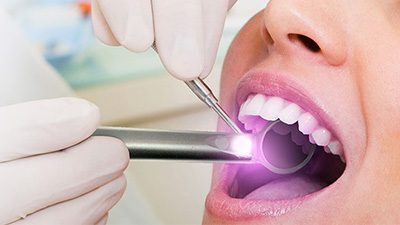
Dental care can help you maintain a healthy weight by keeping your mouth clean so that you don’t gain more weight than you need to. How?
First, a clean mouth helps prevent weight gain by preventing bacteria from growing. So, if your mouth is clean, you’ll have less bacteria in your bloodstream, making it less likely that you’ll gain unnecessary weight.
Second, a clean mouth can reduce your cravings for sugary snacks.
Dental Care improves Cardio-Respiratory Health
Bad oral hygiene can negatively impact your heart and lungs. When bacteria in the mouth get distributed into the bloodstream, it can lead to an increase in cholesterol and triglycerides levels. This can lead to atherosclerosis, or the thickening of the arteries caused by plaque buildup, which is also known as cardiovascular disease.

Diseases of the heart and lungs are the leading cause of death in the U.S., so it’s important for people to stay on top of their dental care to avoid exacerbating any existing conditions. If you already have any heart or lung diseases, you should speak with a dental professional to see how you can improve your oral hygiene routine. If you have high cholesterol, you can also take medication to lower your cholesterol levels.
Dental Care helps during Depression and Anxiety
Bad oral health can also lead to higher levels of anxiety and depression. This can occur when bacteria in the mouth travel to the brain, causing a process called “brain fog.” Brain fog is characterized by a lack of focus, less productivity, and slower or slurred speech.
Anxiety is characterized by an increased heart rate, a sense of impending doom, and increased mental and physical agitation. Depression is characterized by a loss of interest in activities, feelings of hopelessness, and an overall decrease in mental health.

A survey of patients with various medical conditions found that people with gum disease have a tendency to be more anxious and depressed than people with healthier mouths. If you have anxiety or depression, you can speak with a dental professional about ways to improve your oral hygiene routine.
Dental Care May Help You Avoid Certain Kinds of Cancer
There is some evidence that gum disease increases your risk of certain kinds of cancer. There are several ways in which dental care can help reduce your cancer risk. The most important is to get regular dental checkups and to use mouthwash or floss daily to prevent periodontal disease.
Gum disease can increase your risk of pancreatic cancer, and people with gum disease also have a higher risk of dying from pancreatic cancer.

Gum disease may also increase your risk of other types of cancer, including oesophageal, stomach, lung, and colorectal cancer. Dental care can also help you prevent other diseases and conditions that people with poor oral hygiene are at a higher risk for, including diabetes, heart disease, and stroke.
Dental Care Helps Protect Your Vision
Your eyes are part of your overall health, and your vision is closely connected to your dental health. If you have gum disease, it can lead to increased pressure in the bloodstream, which can cause retinal detachment, retinopathy, and macular edema. Any inflammation in your body can lead to swelling, which in turn can obstruct the blood flow to your eyes.
If there’s swelling in the retina, it can cause a tear in the retina, which can lead to retinal detachment. If there’s swelling in the macula, it can impede your central vision. There are some things that you can do to limit your risk of vision problems due to gum disease. You can brush your teeth twice a day and floss once a day. You can also see your dentist twice a year for a checkup and cleaning.
Conclusion
Beyond treating existing problems, regular dental care supports your overall well-being by helping you maintain proper nutrition, reducing chronic oral inflammation, and improving your quality of life. While dental treatment is not a substitute for general medical care, it forms an important part of a healthy lifestyle. By practising good oral hygiene and attending routine dental check-ups, you can protect your smile and support your overall health for years to come.
Book a Consultation
Your oral health deserves expert attention before small problems become major concerns. At Royal Dental Clinics, our experienced dentists provide comprehensive dental examinations, preventive care, restorative treatments, gum disease management, and personalised treatment plans designed to protect your smile and support long-term oral health. Whether you need a routine check-up or treatment for an existing dental problem, we are committed to delivering evidence-based, patient-centred care using modern dental technology. Book your consultation today and take the first step towards a healthier mouth and a healthier life.
FAQs
Does dental treatment affect your health?
Yes. Dental treatment helps maintain healthy teeth and gums, prevents oral disease from progressing, relieves pain, restores function, and contributes to overall well-being.
Can poor oral health affect overall health?
Poor oral health can affect eating, speaking, nutrition, and quality of life. Research has also found associations between periodontal disease and certain systemic health conditions, highlighting the importance of maintaining good oral hygiene.
Why is treating gum disease important?
Treating gum disease helps reduce inflammation, preserve the supporting tissues around the teeth, improve oral health, and lower the risk of tooth loss.
Can dental treatment improve quality of life?
Yes. Restoring damaged or missing teeth can improve chewing, speech, appearance, confidence, and everyday comfort.
How often should I visit a dentist?
Most people benefit from regular dental examinations every six months, although the ideal schedule depends on individual oral health needs and your dentist’s recommendation.