Cheekbone implants are comparatively longer implantable devices that are placed under the skin of your cheeks. They placed there to help restore a person’s natural facial appearance. Contour after injury, surgery, or some other facial cosmetic surgery. These can be placed to help restore facial balance which changes the structure of the face, and change the facial expression.
What are cheekbone implants?
Cheekbone implants are facial implants used to improve cheek projection, midface volume and facial balance. They are different from dental implants. Dental implants replace missing teeth, while cheekbone implants are used for facial contouring or reconstruction in selected patients.
When should you consider cheekbone implants?
Cheekbone implants may be considered when the cheeks look flat, underdeveloped, hollow, asymmetrical or unsupported. They may also be considered after facial trauma, surgery, ageing-related volume loss or congenital facial imbalance. The decision should be made after facial examination, medical history review and discussion of expectations.

Can cheek implants support the cheeks better?
Cheek implants can add structural support and volume to selected areas of the midface. They may make the cheeks look fuller, lifted or more balanced. However, they do not treat every cause of sagging skin. In some patients, fillers, fat grafting, skin tightening, dental rehabilitation or jaw correction may be more suitable.
So, how do you know if you need cheekbone screws?
Cheek-implants are placed under the skin of your face and are usually done to restore a person’s natural facial appearance. Contour after injury, surgery, or some other facial cosmetic surgery. If your facial structure changed or altered after the surgery. You may need to have cheek-implants.
Cheek implants vs fillers vs fat grafting
Fillers are non-surgical and temporary. Fat grafting uses the patient’s own fat and may last longer in selected cases. Cheek implants are surgical and more permanent. The right option depends on age, skin quality, bone structure, facial volume, medical fitness and desired result.
Risks and limitations of cheekbone implants
Cheekbone implant surgery may involve swelling, bruising, infection, asymmetry, numbness, implant movement, unnatural contour, scarring or need for revision surgery. Patients should have realistic expectations and choose treatment only after proper consultation with a qualified surgeon.
How to Know if You Need Cheekbone Implants
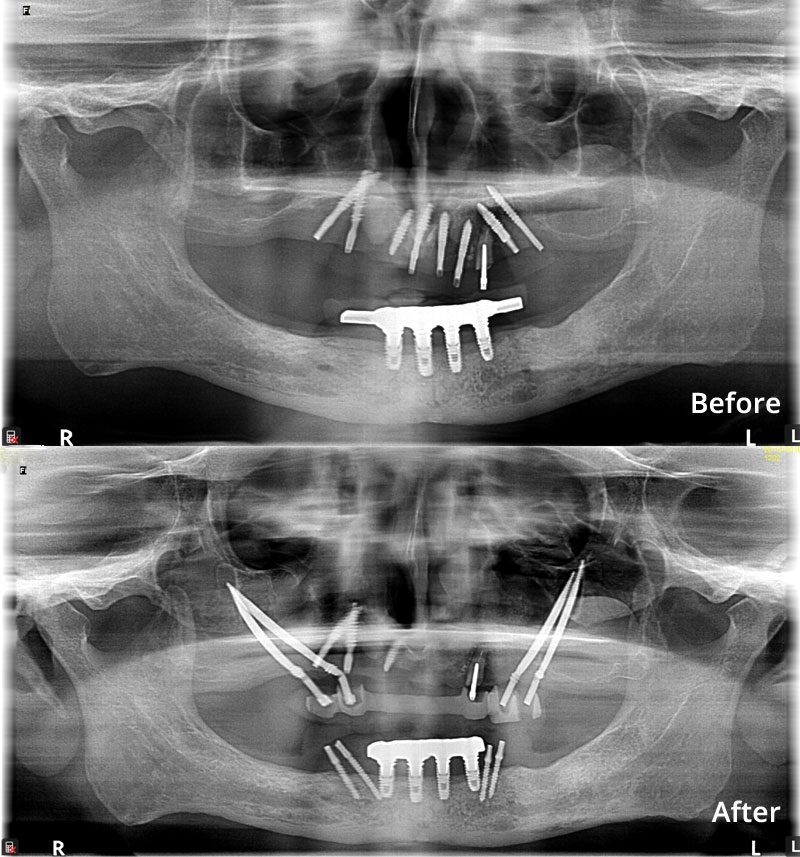
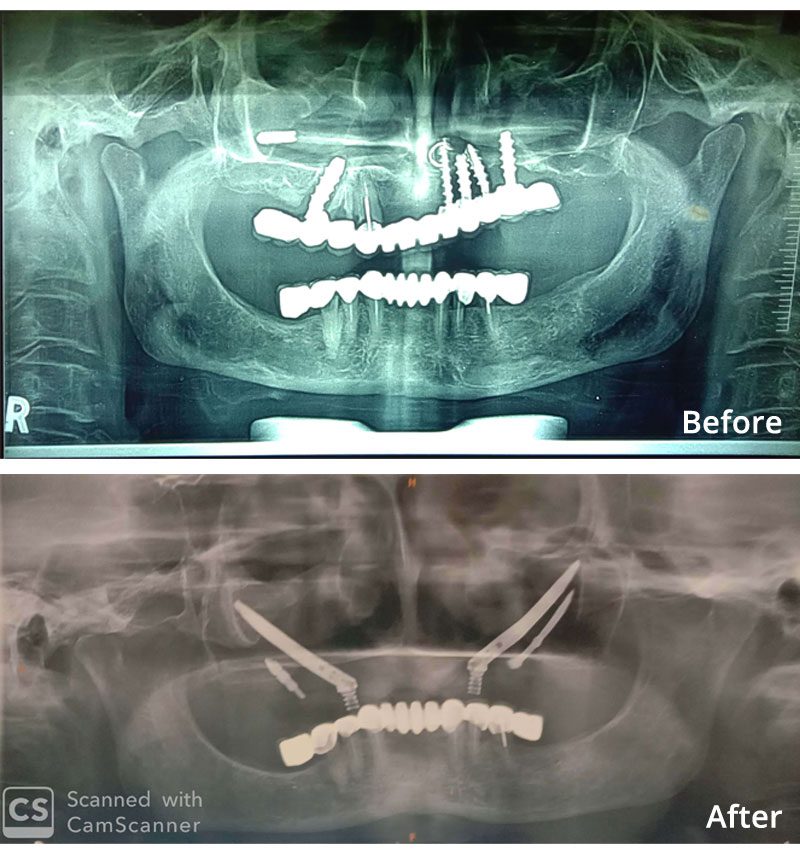
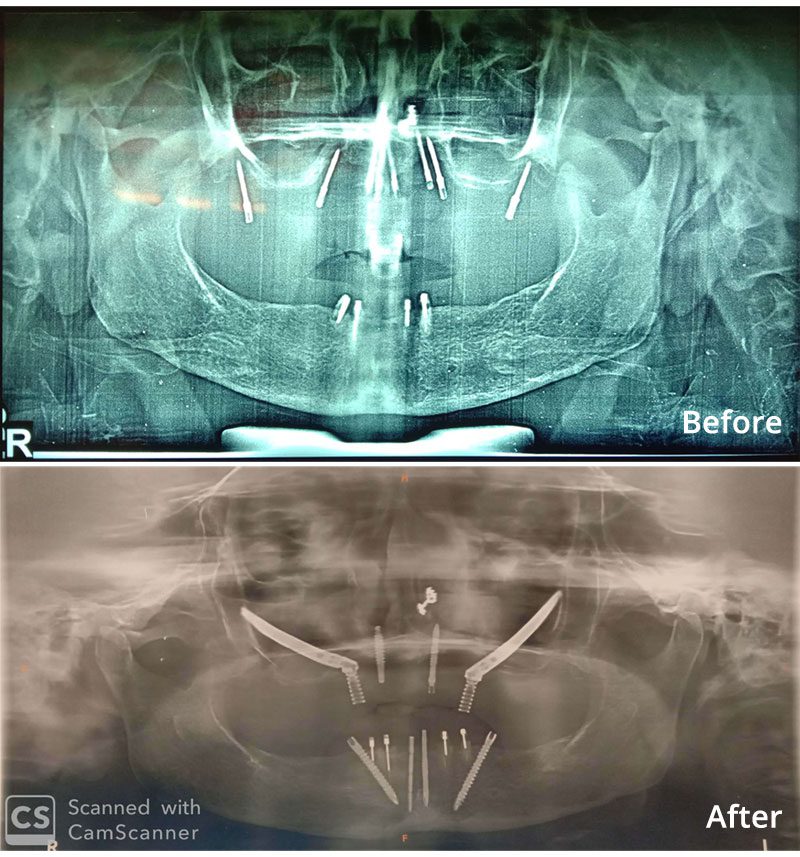
If you’re considering zygoma-implants, you need to make sure you have the right indication for the procedure. You can find this out by consulting with your doctor. However, there are a few things you can do to make sure you have the right indication for these as they usually are done in conjunction with other facial surgery and lip augmentation.
Dr. Chirag Chamria, Oral and Maxillofacial Surgeon
You need to make sure you have the right indication for this. You can find this out by consulting with your doctor. However, there are a few things you can do to make sure you have the right indication for cheekbone implants. Then put new ones in at a later date. Other times, you may need to remove the implants. Then get a medical examination to see if there is anything else wrong with your face. Make sure you tell your doctor if you’ve had any recent facial surgery or injuries to your face.
FAQs
Are cheekbone implants the same as dental implants?
No. Dental implants replace missing teeth. Cheekbone implants are facial implants used to improve cheek contour or facial balance.
Who needs cheekbone implants?
They may be considered for patients with flat cheeks, hollow midface, facial asymmetry, post-trauma defects or poor cheek projection.
Can cheek implants lift sagging cheeks?
They may add volume and support in selected cases, but they do not replace facelift, skin tightening or other treatments when loose skin is the main issue.
Are cheek implants permanent?
Solid cheek implants are designed as a long-term option, but revision or removal may be needed in some cases.
What are alternatives to cheek implants?
Alternatives may include dermal fillers, fat grafting, skin tightening, orthodontic correction, jaw surgery or dental rehabilitation depending on the cause.