
None of us have a crystal ball to predict the future. However, one almost certain thing is that dental technologies will continue to advance and benefit healthcare professionals and patients alike. So, let’s discuss new dental technologies that dentist in Mumbai predicts; would take off advanced dentistry in the coming years.
Who is this Article For?
This article is for patients in Mumbai who want to understand how modern dental technology can improve their dental treatment experience, comfort, planning, and results. This blog helps patients understand how technologies like CBCT scans, CAD-CAM, digital impressions, milling machines, immediate loading protocols, and conscious sedation may support accurate diagnosis, faster treatment planning, better prosthetic design, and a more comfortable dental experience.
Dental Implants aided by Immediate Loading protocols
Being one of the pioneers for Single Stage Immediate Loading Dental Implants in One Day, Royal Dental Clinics is equipped with the latest and advanced technologies. Immediate loading protocols have been used in various surgeries to enhance patients, experience and comfort and enhanced and improved surgical results, with the help of immediate loading protocols has great success rates. With regards to dentistry; advanced technologies help get precision, accuracy, and results for patients. While dental implants see great success of patients, however as with all surgeries it does come with a few risks.
The end goal of any dentist in Mumbai is to help patients. So, if dental technology can help them deliver better results, we can see a future for robotic dental technology, especially when it comes to dental implants and other complex dental procedures.
Revolutionary Dental Technologies at Dentist in Mumbai
Extraoral Scanner
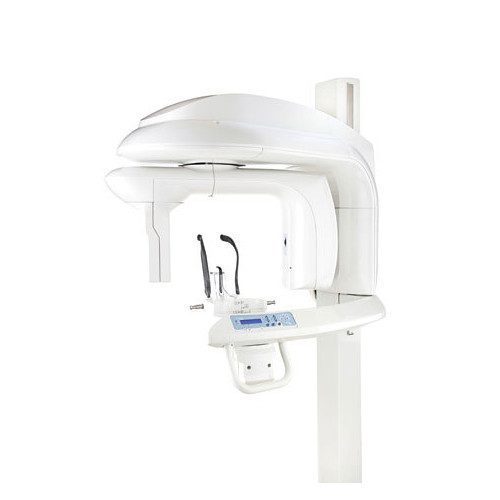
A picture is worth a thousand words! the ability to take such professional-looking photos– just look at how cell phone camera technology has evolved over the years. In dentistry, photographs are a vital part of a patient’s dental history. An extraoral device enables it to scan the patient’s cast which creates a digital impression. It is quick and painless and can aid any restorative dental needs. Intraoral Scanners will soon become a paradigm to improve patient experiences and results.
Dental Imaging with CBCT
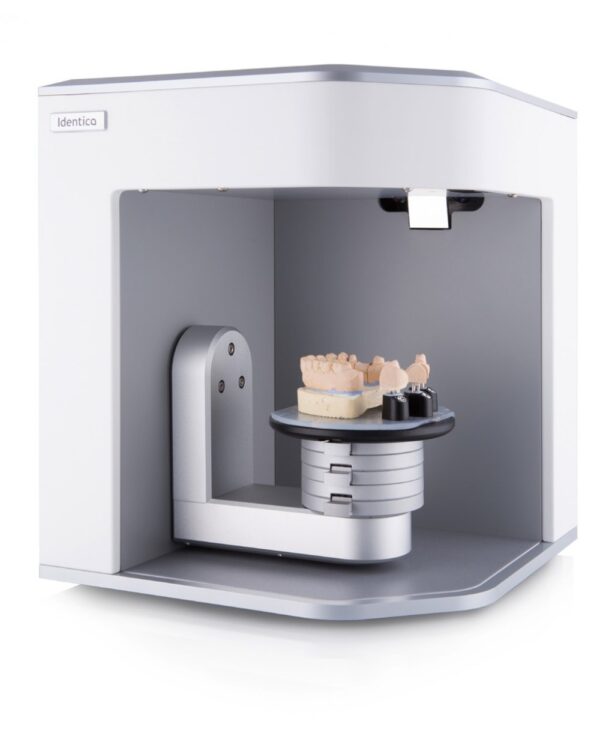
3D cone beam computed tomography (CBCT) is an imaging technology that allows dentists to evaluate the underlying bone structure, as well as the nerve pathways and surrounding soft tissues. The airway analysis and CBCT scan helps to get the 3D printing file for fabrication. It’s all-in-one system in addition to 2D and 3D diagnostic imaging gives precise digital 3D models for applications, including cosmetic surgeries, periodontics, endodontics and implant planning.
Along with its exceptional 3D imaging capabilities, the CS 9300 also features 2D digital panoramic imaging with variable focal trough technology and can even be upgraded to include one-shot cephalometric imaging. This combination is helpful in planning most of the complicated surgeries related to head and neck. This scanning procedure helps Dentist in Mumbai to understand concerns of patients within a few seconds.
Computer Aided Design for Crowns and Bridges
CAD-CAM dentistry is a field of dentistry and prosthodontics using CAD-CAM (Computer-Aided-Design and Computer-Aided-Manufacturing) to improve the design and creation of dental restorations, especially dental prostheses, including crowns, crown lays, veneers, inlays and onlays, fixed dental prostheses bridges, dental implant supported restorations, dentures (removable or fixed), and orthodontic appliances. CAD-CAM technology allows the delivery of a well-fitting, aesthetic, and durable prostheses for the patient. Royal Dental has extended capabilities to do digital smile designing, creation of implant prosthesis, creation of provisional without crown cutting, creation of surgical splints, creation of surgical guides etc.
Computer Aided Manufacturing by Dentist in Mumbai
The processing of all relevant prosthesis materials of Composite Resin (SAPT.resin, SAPT.CemResin, SAPT.3Dresin), PMMA (SAPT.multiCOM), Porcelain/Zirconia, High- impact polymer (SAPT.HIPC) and SAPTEETH is possible with a single machine system, virtually without restrictions. Its 5-axes simultaneous wet/dry processing for exceptional speed and precision is commendable. 350i’s process capability for all dental materials including metals for greatest versatility.
Dentist in Mumbai also have 4-axis imported machines for CAM. Using modern laboratory methods, your dentist would prepare your tooth, make an impression, and create the final restoration in a single visit.
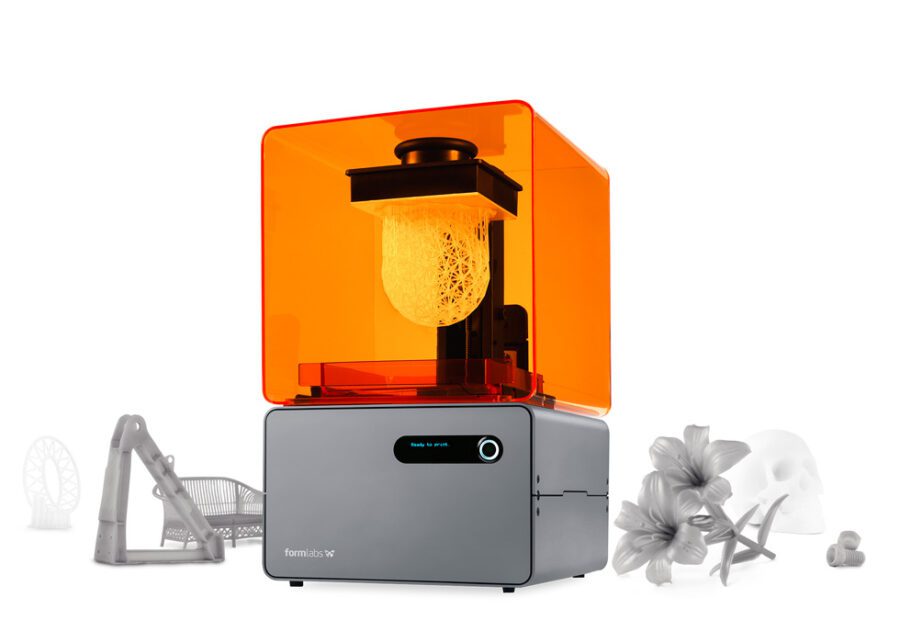
3D Printing and Computer-Guided Implant Surgery
Explain how CBCT data and digital scans can be combined to virtually plan implant positions and manufacture surgical guides, models and temporary teeth. The existing article discusses CBCT, milling, CAD-CAM, immediate loading and sedation but does not clearly explain guided implant surgery or the practical use of 3D printing.
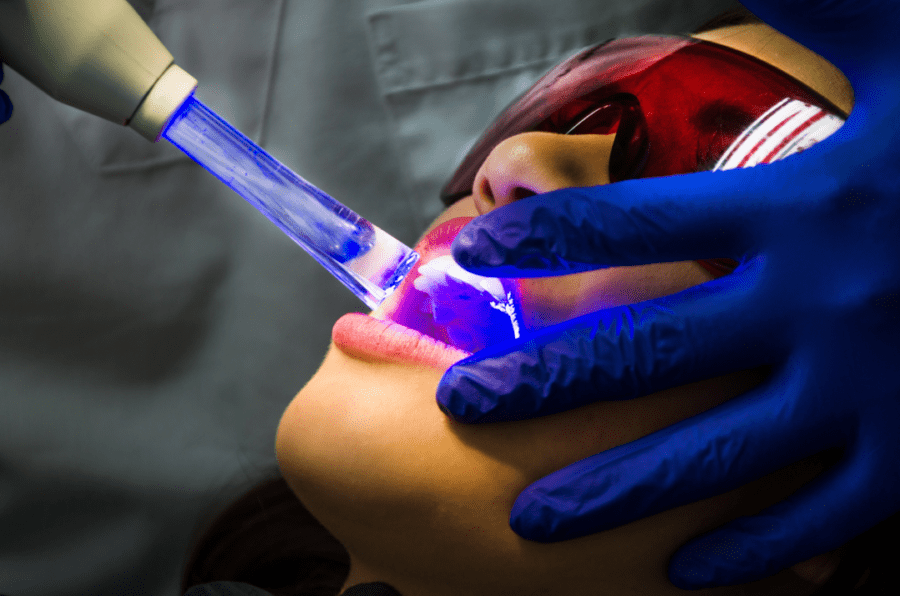
Relax on a dental chair with Conscious Sedation!
Stress-free dental treatment is possible proper pain control and relaxation during the treatment procedure. Dentist in Mumbai use anesthesia machine with advanced design concepts, offering powerful ventilation function, complete patient monitoring parameters as well as integrated autoclavable intelligent breathing system, contributing to clinical, safe and comfortable anesthesia. Very useful for patients who are non-cooperative and anxious during dental treatment.
Conscious Sedation is a part of the dental treatment process which helps to establish a relaxed, easy and calm environment through the utilization of sedative drugs. Where as Sedative drugs are administered through intravenous (IV). sedatives delivered via injection into the blood vessels of the hand or arm.
Experience advanced dentistry with Dentist in Mumbai
The arena of dentistry and technology continues to evolve at a rapid pace. From a patient’s perspective, it is important to find a dental clinic near you that incorporates the latest technology to offer you the best care, experience, and result. Royal Dental Clinics prides itself in offering the latest dental technology sourced from across the globe, coupled with a luxurious and relaxing ambiance to bring a quick and long-lasting smile on the patient’s faces. Come experience the future of Dentistry, Delivered Today.
Disclaimer: This article is a paid publication and does not have journalistic/editorial involvement of Hindustan Times. Hindustan Times does not endorse/subscribe to the content(s) of the article/advertisement and/or view(s) expressed herein. Hindustan Times shall not in any manner, be responsible and/or liable in any manner whatsoever for all that is stated in the article and/or also with regard to the view(s), opinion(s), announcement(s), declaration(s), affirmation(s) etc.
Conclusion
Dental technologies with dentist in Mumbai can help patients experience more planned, comfortable, and efficient dental care. From CBCT scans and digital impressions to CAD-CAM restorations, same-day implant protocols, surgical guides, and conscious sedation, technology can support better diagnosis, treatment planning, prosthetic design, and patient comfort.
The right technology depends on the patient’s dental concern, oral health, treatment complexity, comfort needs, and long-term goals. With proper planning and professional care, modern dental technology can help patients feel more confident before starting their treatment.
FAQs
1. What dental technologies are used by dentists in Mumbai?
Dentists in Mumbai may use technologies such as CBCT scans, digital imaging, extraoral scanners, CAD-CAM systems, CAM milling machines, digital smile designing, surgical guides, and conscious sedation. These technologies can help in diagnosis, treatment planning, restorations, implant placement, and patient comfort.
2. How does CBCT help in dental treatment?
CBCT helps the dentist view the teeth, jawbone, nerve pathways, soft tissues, and surrounding structures in 3D. This is useful for dental implants, complex surgeries, cosmetic planning, root canal assessment, and full-mouth treatment planning.
3. What is CAD-CAM dentistry?
CAD-CAM dentistry means Computer-Aided Design and Computer-Aided Manufacturing. It is used to design and create dental restorations such as crowns, bridges, veneers, inlays, onlays, implant-supported teeth, dentures, and orthodontic appliances with better fit and planning.
4. Can dental technology help with same-day implants?
Yes, dental technology may support same-day implant planning in selected cases. Digital scans, CBCT imaging, implant planning, surgical guides, CAD-CAM restorations, and in-house laboratory support can help dentists plan and provide faster fixed teeth options where suitable.
5. What is the use of an extraoral scanner?
An extraoral scanner can scan a patient’s dental cast and create a digital impression. This may help in restorative dental treatment, crowns, bridges, implant prosthesis planning, and improving patient comfort by reducing the need for some traditional impression methods.
6. How does conscious sedation help dental patients?
Conscious sedation may help anxious, fearful, or non-cooperative patients feel more relaxed during dental treatment. It can support patient comfort during longer or complex procedures, but it should always be planned after checking the patient’s medical history and treatment needs.
7. Does advanced dental technology replace the dentist’s skill?
No, technology does not replace the dentist’s skill. It supports diagnosis, planning, accuracy, and comfort, but the final treatment still depends on the dentist’s clinical judgment, experience, patient evaluation, treatment planning, and follow-up care.