

Whether you are missing just one tooth, several or even all teeth, at Royal Dental Clinics you will find the ideal oral implant rehabilitation solution for your case. You can restore your quality of life and smile again with confidence again! Dental implants have become a well-recognized procedure in the field of dentistry. They are often replace a tooth lost through injury, decay or another dental condition. If you’re interested researching everything on them, read further. Know your Dental implant benefits and risks.
Who Is This Article For?
This article is for patients considering replacement of one tooth, several teeth or a complete set of missing teeth with dental implants. It may also help patients compare implants with bridges or removable dentures and understand the financial and medical considerations before treatment.
What Is a Dental Implant?
A dental implant is a medical device positioned within the jawbone to support an artificial tooth. The complete restoration may include an implant body, an abutment, connecting screws and a crown, bridge or denture. The implant is therefore not the complete replacement tooth. It provides support beneath the gum, while the visible prosthesis restores appearance and chewing function.
Benefits of Dental Implants
A missing tooth, regardless of whether it is visible or not, replaced, since in the medium / long term it may contribute to the development of several oral health problems. The implant will act as a support for the placement of a crown, which will perfectly replace the natural tooth, both in functional and good looks. The crown is executed to match the shade of the natural teeth so that no difference is visible. This solution also allows preserving adjacent healthy teeth since there is no need to wear them.
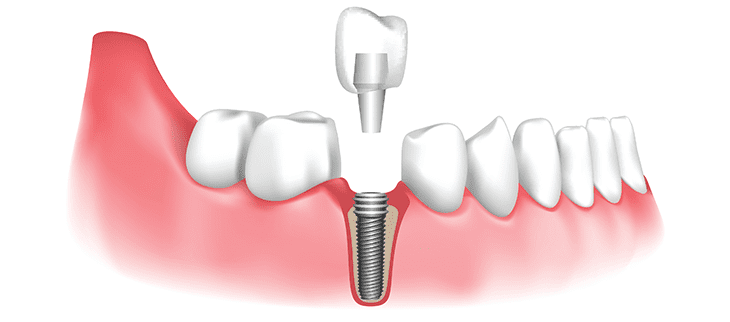
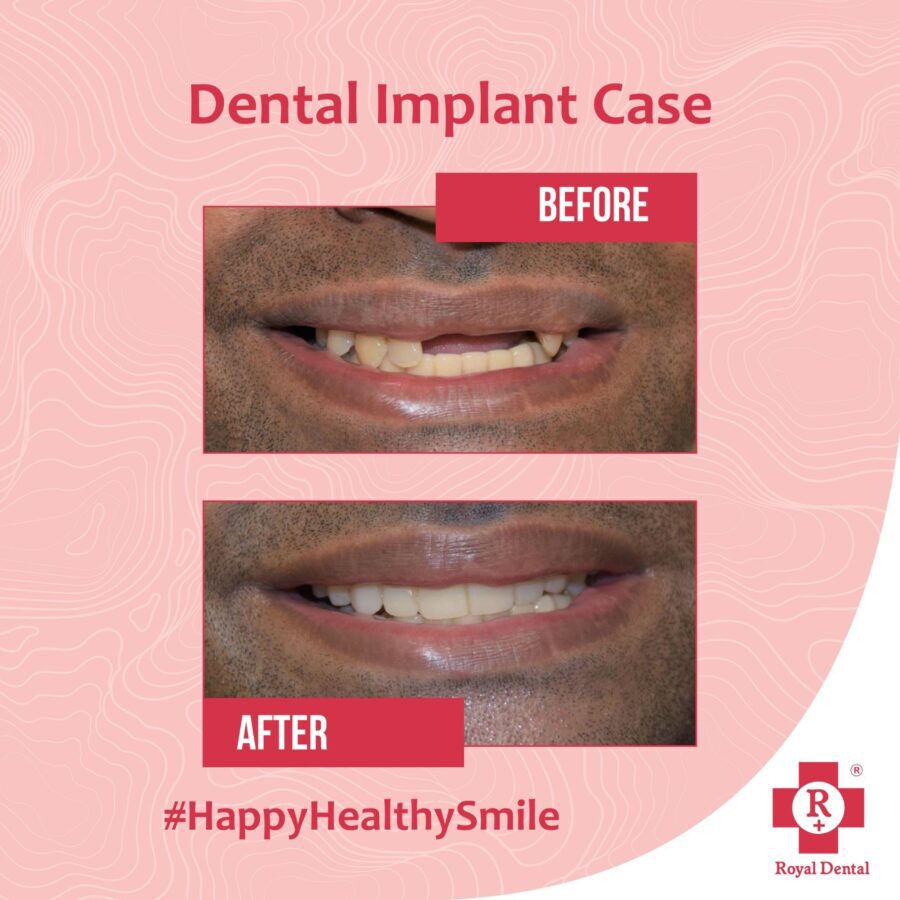
Dental implants can restore chewing ability and replace teeth without necessarily cutting down adjacent healthy teeth for a conventional bridge. They may support a single crown, a bridge, a removable overdenture or a complete fixed set of teeth. Implants can also help maintain the jawbone in the area where teeth have been lost and may improve comfort, appearance, speech and quality of life. Implants do not develop cavities, but the gums and bone around them can still become inflamed or infected. Long-term cleaning and professional maintenance remain essential.
Who May Be Suitable for Dental Implants?
Suitability depends on the condition of the remaining teeth, gums and jawbone as well as the patient’s medical history and ability to maintain the restoration.
Patients with reduced bone may still have treatment options such as grafting, modified implant positioning, shorter implants or specialised implants in selected cases. A lack of bone does not automatically rule out implant treatment, but it may make the procedure more complex.
A clinical examination and appropriate dental imaging are necessary before deciding the number, size and position of implants.
Risks involved in getting Dental Implant Surgery
Early risks may include pain, swelling, bleeding, infection, sinus involvement, injury to nearby teeth or temporary or persistent altered sensation when a nerve is affected. An implant may fail to integrate with the bone. Later complications may include gum inflammation, peri-implantitis, progressive bone loss, implant mobility, screw loosening, crown or bridge fracture and difficulty cleaning around the prosthesis. Smoking, untreated gum disease, uncontrolled diabetes, poor oral hygiene and an unsuitable bite may increase the possibility of complications.
Although implants can offer significant benefits, they aren’t appropriate for every situation. Individuals who have very little remaining bone in their jaw may not be a good candidate for screws. Additionally, they can be expensive. The cost of varies by individual, but you can expect to pay thousands of dollars for the procedure and follow-up care. Implants may also have complications associated with them. If the implant doesn’t fuse to the jawbone, it can be removed and replaced with another implant. If the implant isn’t placed correctly, it can become loose and require replacement.
How Can Implant Risks Be Reduced?
Risk can be reduced through careful diagnosis, appropriate imaging, infection control, accurate implant placement and a prosthesis that distributes biting forces appropriately. Patients should disclose their complete medical history, medications, tobacco use, previous gum disease and grinding habits. After treatment, implants should be cleaned daily and professionally reviewed. Movement, increasing pain, bleeding, pus, swelling or a change in the bite should be reported promptly.
Dental Insurance
Getting a full mouth dental implant in India is quite an expense. Without the help of insurance, you can expect to pay anywhere from $5,000 – $10,000 for this procedure. Instances where insurance will cover some or all of the dental implant cost include cases where there is a car accident, or a pre-existing condition that requires the use of dental implants.
Final Words: Dental implant benefits and risks
Dental implants are a great option for individuals who have lost teeth due to injury or disease. They can help you eat the same way you did before losing your teeth and improve your self-confidence. While dental implants offer many benefits, they aren’t appropriate for every situation. Be sure to speak with your dentist to determine if dental implants are a good option for you.

Dental implants can provide stable and functional replacement teeth, but their benefits should be considered alongside surgical, biological, prosthetic and financial risks. Insurance coverage in India is not automatic. Patients should obtain a written treatment estimate and confirm coverage directly with the insurer before beginning treatment.
Frequently Asked Questions
Are dental implants completely safe?
Dental implants are widely used, but no surgical treatment is free from risk. Proper assessment and maintenance reduce risk but cannot guarantee success.
Can dental implants last for life?
An implant may remain functional for many years, but lifelong survival cannot be promised. The crown, bridge or connecting components may require repair or replacement even when the implant remains integrated.
Does medical insurance pay for dental implants in India?
Standard health policies commonly exclude routine dental treatment unless hospitalisation is required. Coverage depends on the specific policy wording.
Are implants better than dental bridges?
Implants avoid using neighbouring teeth for support in many cases. A bridge may still be preferable when implant surgery is unsuitable or when adjacent teeth already require crowns.
What happens if a dental implant fails?
The implant may need to be removed. After healing and correction of the cause, replacement or an alternative prosthetic treatment may sometimes be possible.