
Dental implants generally demonstrate high long-term survival, but no single percentage applies to every patient or treatment. Published outcomes vary according to the number of years studied, implant location, restoration type, patient health, smoking, oral hygiene and the criteria researchers use to define success. It is also important to distinguish between implant survival and implant success. An implant may remain in the mouth and therefore be counted as “surviving” even when it has experienced bone loss, inflammation or a mechanical complication. A successful implant should remain stable, functional and comfortable, with healthy surrounding tissues and acceptable bone levels.
Rate of Dental Implant Success
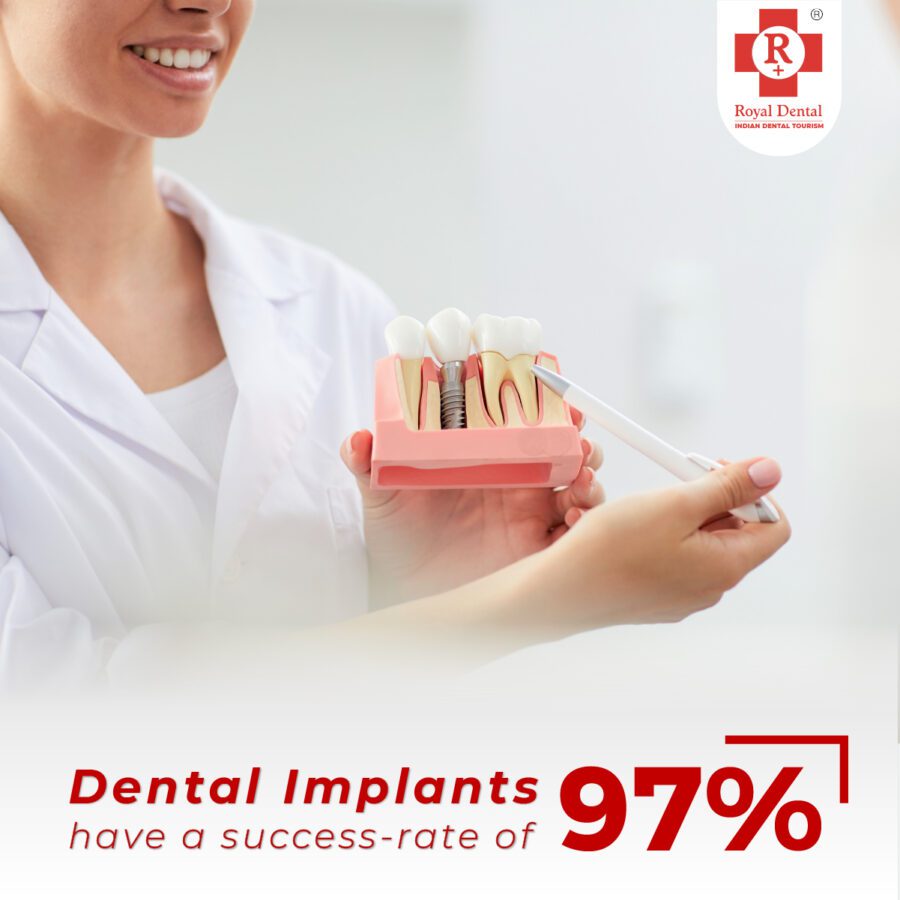
In general, the record of dental implants is very good. The studies show very consistently that the success rate is in the range of 95-98% for healthy people when the implants are placed by skilled professionals and the patients take good care of themselves. Success is when the implant firmly joins the bone of the jaw, stays stable, and works like a natural tooth without any pain or infection. Dental implant success rates are very high (around 95%+ at 10 years) because they are a reliable tooth replacement, however, outcomes are influenced by factors such as smoking, diabetes, bone density, hygiene, and placement technique, with failures typically being either early (bone integration issues) or late (infections), thus good patient care and expert placement are necessary for long-term success.
What Is the Dental Implant Success Rate?
Do not state a universal 95–98% success rate. A systematic review estimated approximately 96.4% implant-level survival at 10 years, with a prediction interval of 91.5–99.4%. This is a survival estimate—not a guarantee of success for an individual patient. A more recent 20-year meta-analysis reported lower long-term estimates and considerable uncertainty, demonstrating why a single percentage should not be applied to every treatment and time period.
How Good Is Dental Implant Success?
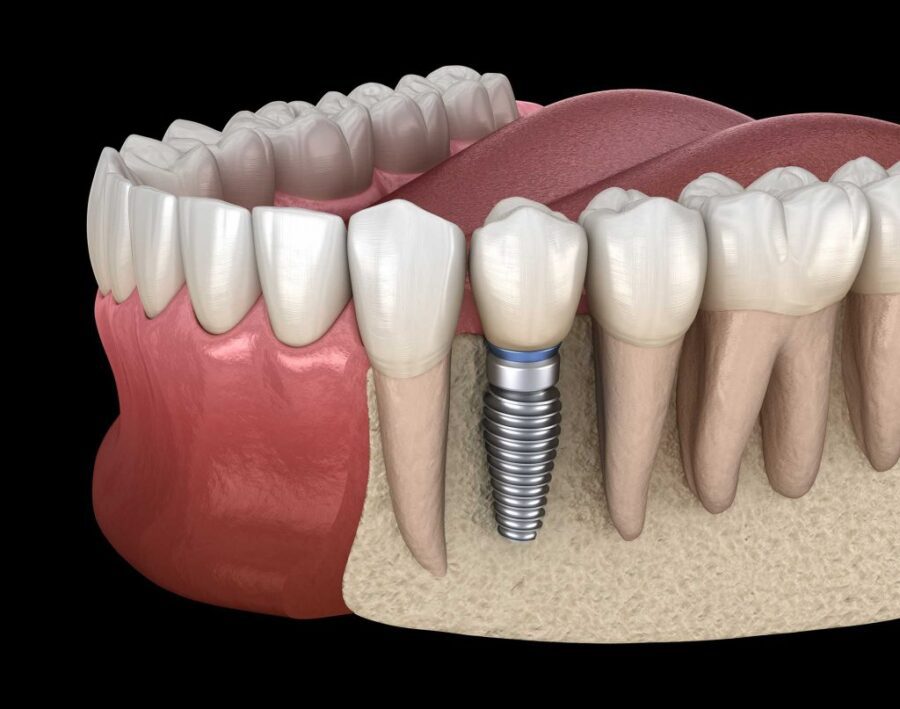
A well-placed implant generally:
1. Proper linkage with the jawbone (osseointegration)
2. No continuous pain, infection, or inflammation
3. Compactness during normal chewing
4. Good condition of the adjacent gums
5. Functionality and beauty maintained over a long period of time
If an implant is loose, uncomfortable, or if it does not join the bone, it is possible that it may be called failure.
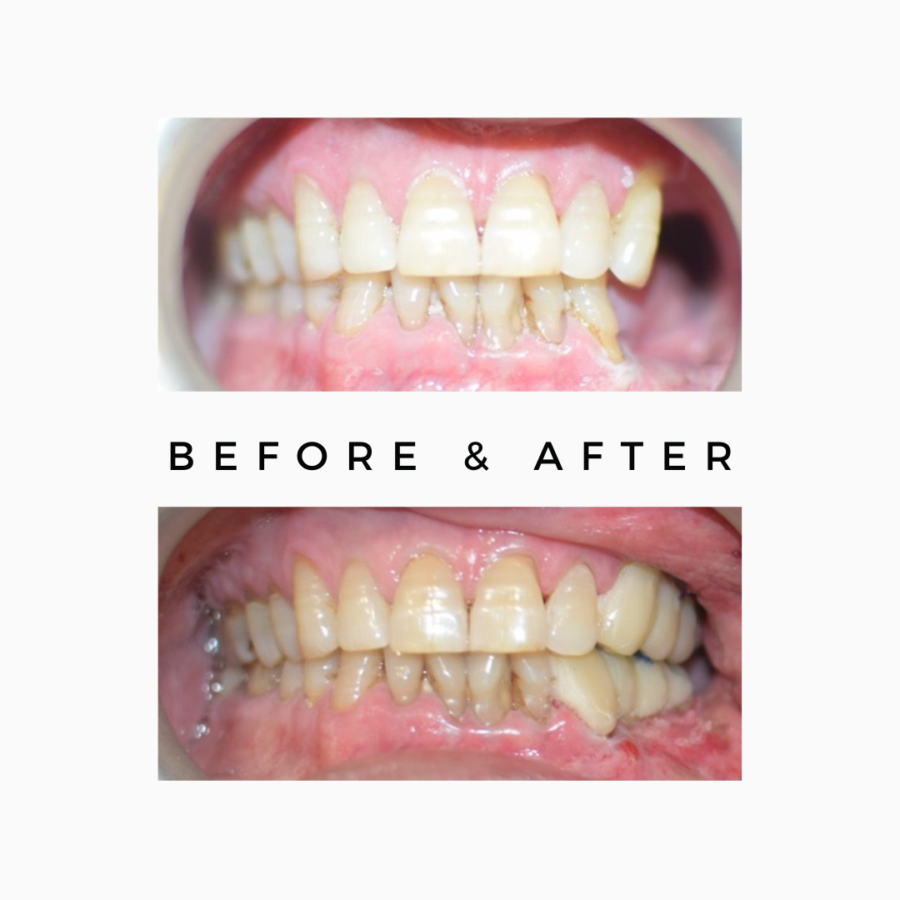
Factors That Affect Dental Implant Success Rate
Success rates are generally high; however, various factors can have an impact on the results:
1. Bone Quality and Quantity
Adequate bone in the jaw is the main requirement for an implant to be firmly fixed. A person who suffers from loss of bone may be allowed to go ahead with the procedure but may be in need of bone grafting to enhance the success.
2. Oral and General Health
Dis-eases such as diabetes which is not controlled, gum disease, and immune disorders may influence the process of healing and hence the probability of implant failure will be high.
3. Smoking and Tobacco Use
The success rate of an implant is greatly diminished by smoking because the blood flow and healing are affected. Those who don’t smoke have very high success in the long run.
4. Implant Location
If an implant is done on the lower jaw, the success rate may be a bit higher than that of the upper jaw due to the fact that the bone is denser.
5. Surgical Skill and Planning
The use of advanced imaging, accurate placement, and the experience of the clinician are the major factors that result in achieving predictable outcomes.
6. Oral Hygiene and Maintenance
Good oral hygiene practiced daily and regular visits to a dental professional are necessary. Improper hygiene can cause peri-implantitis, the inflammation of tissues that support the implant, which is a condition that leads to instability of the implant.
Survival Rate Versus Success Rate
Survival means that the implant remains in place. Success generally involves more detailed clinical criteria, including stability, absence of persistent pain or infection, acceptable bone levels and satisfactory function. An implant may therefore survive while still requiring treatment for peri-implant inflammation, bone loss, screw loosening, restoration fracture or aesthetic concerns.
High Success, Key Factors
- General Rates: Success rates of 95-97% at 10 years and beyond can be expected. Implants in the lower jaw are usually a bit more successful than those in the upper jaw.
- Bone Health: The jawbone must be of good quality and sufficient quantity for the implant to fuse (osseointegrate).
- Patient Habits: Smoking, a poorly controlled diabetes situation, and grinding of teeth (bruxism/parafunctional habits) are the main factors that lower success drastically.
- Oral Hygiene: Perfect brushing, flossing, and dental visits every day/week/month are the cornerstones of infection and bone loss prevention
What Influences Success?
- Placement: The Most essential things Time (immediate vs. delayed), place (jaw area), and method were.
- Implant Design: Platform-switching, as a new method, may help alleviate bone loss.
- Dentist Expertise: An experienced, skilled dentist is the one who can assure good planning and executing.
How to Ensure Success:
- Consult Experts: Find out about the doctor who is going to put the implant and then make your decision.
- Commit to Hygiene: Be sure that implants are in impeccable condition.
- Manage Health: If you have diabetes make sure it is under control and if you smoke quit.
- Protect Teeth: Use a night guard if you grind your teeth.
Short-Term vs. Long-Term Success
1. Short-term success is mainly about healing and the initial integration, which is typically the first 3-6 months.
2. Long-term success is about implants staying for 10, 20, or even 30 years with good care.
Such a long time, implants will be with many patients, who in turn make them one of the most durable tooth replacement options available.
Can Failed Implants Be Replaced?
A failed implant may sometimes be removed and replaced, but replacement is not always immediate or appropriate. The clinician must first identify possible causes such as infection, insufficient bone, implant position, excessive loading, smoking or medical factors. Depending on the condition, the area may require cleaning, healing, bone reconstruction or a different treatment plan. Replacement success cannot be guaranteed.
Does Immediate Loading Have the Same Success Rate?
Immediate loading means attaching a provisional restoration soon after implant placement. It may be appropriate when primary stability, implant distribution, bone conditions and bite control are favourable. Immediate loading is not suitable for every patient. The outcome depends on case selection, surgical stability, prosthetic design and control of loading during healing. Avoid suggesting that same-day treatment inherently has the same result in every clinical situation.
Final Thoughts
At Royal Dental Clinics in Kandivali East, Mumbai, implant planning begins with medical and dental history, clinical examination and appropriate imaging. Depending on the case, assessment may include dental X-rays, CBCT imaging, intraoral scanning and evaluation of bone, gums, bite and the proposed final teeth. Patients are informed about suitable treatment options, loading timelines, alternatives, important risk factors, maintenance requirements and the possibility of biological or mechanical complications. Individual outcomes cannot be predicted from a general success-rate percentage alone.
FAQs
What is the average success rate of dental implants?
Research commonly reports high long-term implant survival, often above 90% at ten years. However, survival is not identical to success, and individual outcomes vary according to health, implant site, smoking, hygiene, treatment design and follow-up duration.
Can dental implants last a lifetime?
Some implants remain functional for several decades, but a lifetime result cannot be guaranteed. The implant, surrounding tissues and attached restoration can develop biological or mechanical complications.
What is the most common reason for implant failure?
There is no single cause. Early failure may involve unsuccessful integration or healing, while later problems may involve peri-implant disease, bone loss or mechanical overload.
Does smoking reduce implant success?
Smoking is associated with an increased risk of implant failure and peri-implant complications. Patients should discuss their smoking history honestly before treatment.
Can an implant fail after ten years?
Yes. Late complications can occur even after many years of successful function. Regular maintenance helps identify inflammation, bone loss and mechanical problems earlier.
Is a loose implant always a failure?
Mobility of the implant itself is a serious sign and requires prompt assessment. However, sometimes only the crown, abutment or prosthetic screw is loose while the implant remains integrated.
Are lower-jaw implants always more successful?
No. Bone characteristics may differ between regions, but outcomes depend on many patient, implant, surgical and prosthetic factors. Avoid making a universal upper-versus-lower-jaw claim.