From the first tiny tooth to a full, mature smile, our dental needs are constantly changing throughout life. While we all know the basics of brushing, the truth is that a one-size-fits-all approach to oral hygiene simply doesn’t work. The dental care required for a toddler is vastly different from that needed for a teenager, a new parent, or a senior. This comprehensive guide will take you on a journey through the ages, revealing the unique dental challenges and essential care tips for every stage of life, ensuring your smile stays healthy, no matter how old you are.
From diabetes to heart disease, a large group of disorders have been associated with unhealthy teeth and gums. Most of these problems develop during adulthood – which gives every adult an incentive to practice good oral healthcare habits. The so-called “golden years” are that golden for many senior citizens.
Importance of good dental care
We all know the importance of good dental hygiene, but sometimes we forget to take care of our teeth while going through the hustle and bustle of life. As we age, our oral health gets affected due to certain reasons, which can only be prevented with proper dental hygiene. Follow a few simple oral care habits to keep your teeth healthy for a long, long time.
Over 90% of bad breath originates in the mouth. There are over 700 different types of bacteria in your mouth alone. Those who drink three or more cups of soda per day are 62% more likely to suffer from tooth decay, tooth loss, and filling than others. Stay away from soft drinks!
Dental problems can be really painful and affect your self-esteem. If you maintain good dental hygiene, you reduce the risk of bacterial growth that leads to cavities and plaque buildup; this helps in avoiding gum disease, bad breath, and tooth decay
Daily dental care routine
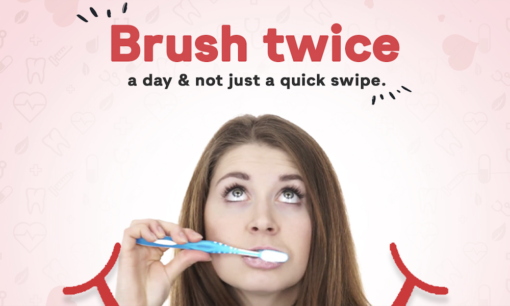
Brushing teeth twice a day– Brush your teeth twice a day, once in the morning and once at night before going to bed. Use a soft-bristled toothbrush with appropriate toothpaste. Avoid using hard-bristled toothbrushes as they can cause damage to your teeth and gums. Moreover, it is very important to replace your toothbrush every 3 months to avoid any bacterial growth.
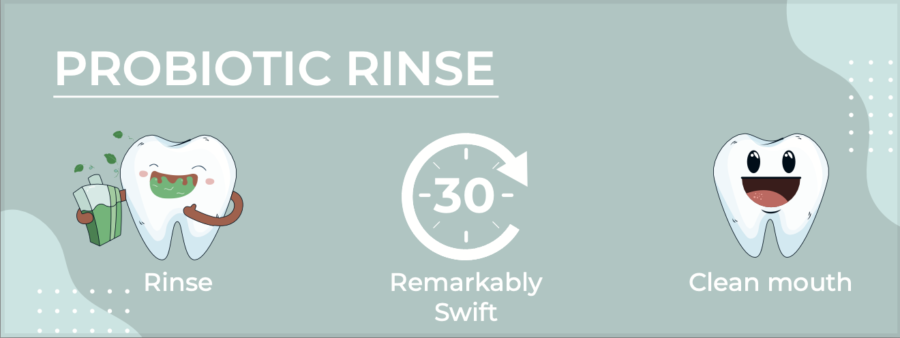
Rinsing with mouthwash– You can either use a mouthwash or an antibacterial solution to rinse your mouth. Rinsing your mouth with an antiseptic solution after meals effectively kills germs from your mouth and help in maintaining good dental hygiene.
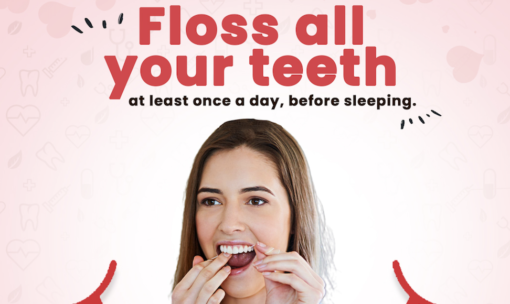
Flossing– Flossing is an often overlooked and extremely important aspect of dental hygiene. While brushing cleans your teeth, it doesn’t clean between them. This is where flossing comes into play. It helps in removing excess plaque and food particles between your teeth along with maintaining gum health. Always remember to floss after eating fatty foods as they are very hard to remove with a toothbrush.
What to do after meals for oral care?
Eating a healthy diet is extremely important for maintaining good oral health. It is recommended that you avoid eating highly acidic food as they are difficult to digest and can lead to dental problems such as tooth decay. It is important to always chew your food properly and drink water after a meal to avoid any complications. Eat healthy fruits like apples and pears as they contain anti-inflammatory properties that help in treating oral diseases.
Dental care is medical care and hygiene relating to your teeth. This coverage will help pay for dental treatment and allow you to make decisions about your dental care based on need rather than cost. Normally the body’s natural defenses and good oral health care, such as daily brushing and flossing, keep bacteria under control. However, without proper oral hygiene, bacteria can reach levels that might lead to oral infections, such as tooth decay and gum disease.
Dental care for Children
As a parent, you need to be extremely careful about your child’s dental hygiene. Make it a point to show them how to brush and floss their teeth while they are still young. Avoid letting your child get too close to a toothbrush as it has sharp bristles that can lead to injury. Instead, use a soft-toothed child’s toothbrush and correctly guide them to brush their teeth. You can also use a fluoride solution to prevent tooth decay.
Dental care for adults
Some of the most common diseases that impact our oral health include cavities (tooth decay), gum (periodontal) disease, and oral cancer. More than 40% of adults report having felt pain in their mouth within the last year, and more than 80% of people will have had at least one cavity by age 34 years. As discussed above, you need to maintain good dental hygiene, even if you are of a certain age.
But, with increasing age, your oral health and teeth start to deteriorate. Follow the above-mentioned dental care habits to maintain healthy oral hygiene and keep your teeth for a longer duration. Drink fluoridated water and brush with fluoride toothpaste. Practice good oral hygiene. Brush teeth thoroughly twice a day and floss daily between the teeth to remove dental plaque. Visit your dentist at least once a year, even if you have no natural teeth or have dentures.
Dental care for seniors
As we age, our teeth get weaker and are more prone to problems. That is why it is important to follow a strict dental care routine and eat a balanced diet to avoid any health issues. Make it a point to visit your dentist once every 6 months and maintain a dental health chart so that you can keep track of any changes in your oral health.
According to the American Dental Association, there are approximately 57% of people ages 65 to 74 wearing some form of denture.
Seniors 65 years and older have an average of 20.7 remaining teeth. Older seniors, Black and Hispanic seniors, current smokers, and those with lower incomes and less education have fewer remaining teeth. Seniors should make appointments for cleanings at least twice a year or as directed by their dentist. Maintaining a regular appointment schedule is one of the most important things you can do for your oral health.
Conclusion
It is very important to maintain good dental hygiene so that you can lead a healthy life. Start following these dental care habits now and stay healthy for a long time. It is always better to be safe than sorry. A healthy smile is your best accessory.