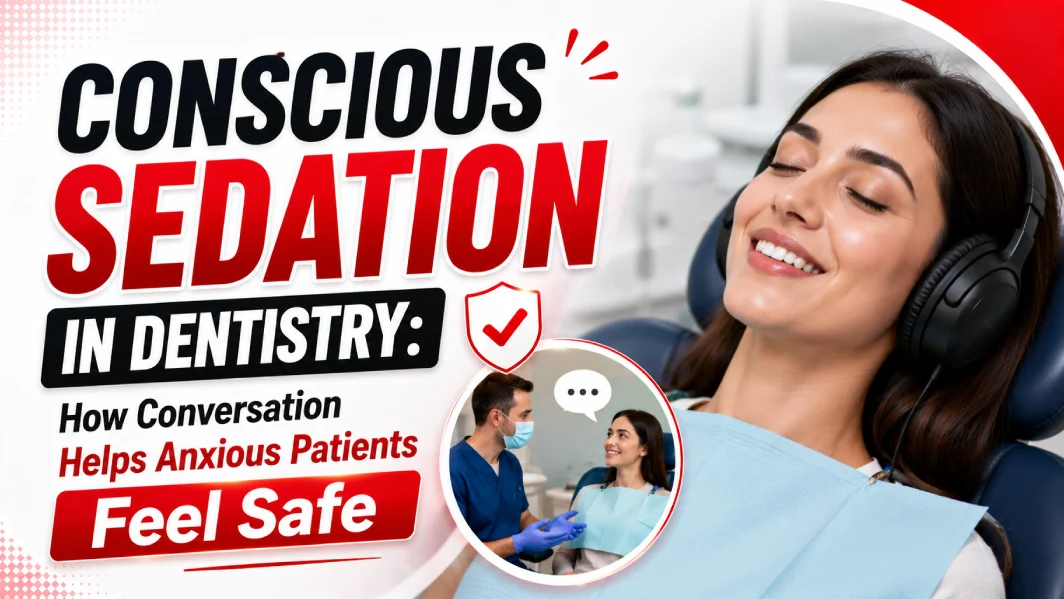
For many patients, dental anxiety begins before they enter the clinic. Fear of pain, fear of losing control, past unpleasant experiences or embarrassment about dental problems can make even a consultation feel difficult. Conscious sedation is often used to help anxious patients relax during dental treatment. But sedation alone is not the whole experience. The way the dentist explains, reassures and communicates with the patient can make treatment feel safer and more manageable.
What is conscious sedation in dentistry?
Conscious sedation is a method of using medication to help a patient feel relaxed during dental treatment while still maintaining protective reflexes and the ability to respond. The patient is not usually fully unconscious. They may feel calm, drowsy or less aware of the procedure, depending on the type and level of sedation used. Sedation may be considered for anxious patients, long treatments, surgical procedures, implant cases, full mouth rehabilitation, gag reflex problems or patients who find it difficult to sit comfortably for extended treatment.
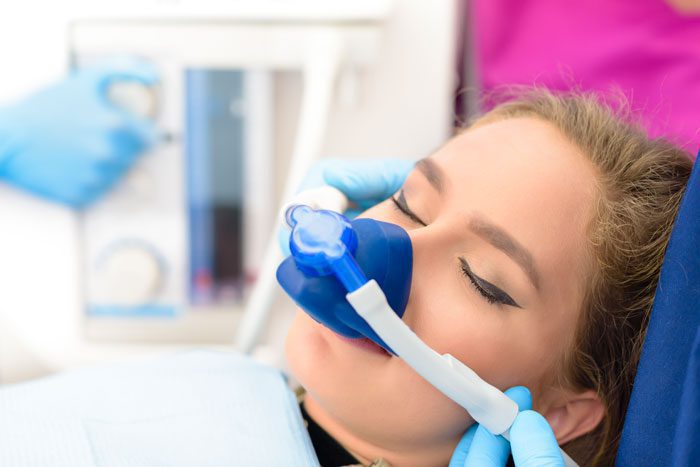
Why conversation matters before sedation?
A dental consultation is not only a clinical appointment. Patients are also judging whether they feel safe with the doctor, the team and the environment. Tone of voice, body language and choice of words can either increase fear or reduce it.
Before sedation is given, the dentist should explain what the patient may feel, what monitoring is done, what the treatment involves, what the risks are and what aftercare is needed. When the unknown becomes understandable, anxiety often reduces.
Sedation relaxes the body; communication reassures the mind
A common misunderstanding is that once sedation is used, communication becomes less important. In reality, calm communication remains valuable. A steady voice, simple instructions and reassurance can help the patient feel oriented and safe.
Helpful phrases such as “we will go step by step,” “you can signal if you need a pause,” or “you are doing well” can reduce the feeling of helplessness. This turns dentistry from something being done to the patient into something being done with the patient.
How conscious sedation helps anxious dental patients
- Reduces fear and panic during treatment
- Improves cooperation during long or complex procedures
- Helps patients with gag reflex or low tolerance
- May make the procedure feel shorter
- Can improve the overall memory of the dental experience
- Supports completion of treatment that patients may otherwise avoid
Is conscious sedation the same as general anaesthesia?
No. Conscious sedation is different from general anaesthesia. In conscious sedation, the patient is relaxed but usually still able to respond. General anaesthesia is a deeper level where the patient is unconscious and requires a different level of monitoring and setup. The right option depends on medical history, procedure type, anxiety level and clinical judgement.
Who may benefit from sedation dentistry?
- Patients with dental fear or phobia
- Those who have avoided treatment for years
- Patients needing dental implants or oral surgery
- Patients undergoing full mouth rehabilitation
- Those with strong gag reflex
- Patients who cannot tolerate long appointments
- Patients who need multiple procedures in one visit

Safety and consent come first
Sedation should never replace proper explanation or informed consent. The patient must understand the treatment plan, sedation plan, risks, alternatives, fasting instructions if any, escort requirements and post-treatment precautions before the procedure.
Medical history, current medications, allergies, previous anaesthesia experience and systemic conditions should be reviewed carefully. During treatment, the clinical team should monitor the patient according to the planned level of sedation.
Why language matters in dental consultation
Dental terms can sound frightening. Words such as “cut,” “drill,” “bleeding” or “surgery” may trigger anxiety if not explained properly. Patient-friendly language helps the patient understand the same facts without unnecessary fear.
The goal is not to hide reality. The goal is to explain honestly, calmly and respectfully. Trust grows when the patient feels heard, informed and in control.
Conscious sedation and complex dental treatment
Sedation can be especially useful in implant surgery, wisdom tooth removal, full mouth rehabilitation and other longer procedures. When combined with clear communication, it can help patients complete necessary treatment with less fear and better cooperation.
Conclusion
Conscious sedation is a valuable tool in modern dentistry, but its real value is seen when it is combined with compassionate communication. Medication can relax the body. Words can reassure the mind. Together, they help anxious patients move from fear to trust.
If fear of dental treatment has stopped you from getting care, book a consultation at Royal Dental Clinics to discuss pain control, sedation options and a step-by-step treatment plan.
Frequently Asked Questions
1. Is conscious sedation safe in dentistry?
Conscious sedation is generally safe when planned and monitored by trained professionals after reviewing the patient’s medical history. Suitability must be assessed individually.
2. Will I be completely asleep during conscious sedation?
Usually no. Conscious sedation helps you relax while you may still respond to instructions. General anaesthesia is a deeper level of unconsciousness.
3. Do I still need local anaesthesia with sedation?
Yes, in most dental procedures local anaesthesia is still used to numb the treatment area. Sedation mainly reduces anxiety and improves comfort.
4. Can sedation help with dental phobia?
Yes. Sedation can help patients with dental anxiety or phobia tolerate treatment, especially when combined with clear explanation and reassurance.
Can I go home alone after sedation?
Depending on the type of sedation, you may need an adult escort and rest after treatment. Your dentist will give specific instructions before the appointment.
Contact Royal Dental Clinics Today:
Website: Royal Implant
Address: Mumbai | Jaipur
Contact No: +91 9820012621
Email Id: info@royaldentalclinics.com
Instagram | Youtube | Facebook | Linkedin