
CBC or Complete Blood Count is one of the basic blood tests done to determine the quantitative and qualitative components of the cells in the blood. The CBC now performed completely by automatic standard machines. If any abnormalities detected then the reference to pathologist required to investigate further.
These tests may take from a few seconds to minutes and the standard report consists of over 15 parameters. These parameters explained in detail, keeping in mind an average healthy adult. This article is not a substitute for medical advice.
Who is this article for?
This article is for patients who have been advised a CBC blood test before dental treatment, surgery, implants, tooth extraction, full mouth rehabilitation, or treatment under medical supervision. It is also useful for patients with weakness, recurrent infections, bleeding gums, delayed healing, anaemia, swelling, fever, or a known medical history where the dentist wants to understand the patient’s general health before planning treatment. A CBC does not give the full diagnosis by itself, but it gives important clues about red blood cells, white blood cells, haemoglobin, haematocrit, and platelets.
Why CBC matters before dental treatment?
A CBC helps the dentist understand whether the body is in a stable condition for dental treatment, especially when surgery, implants, extraction, or infection management is planned. Low haemoglobin may suggest anaemia or reduced oxygen-carrying capacity, abnormal white blood cell counts may point toward infection or lowered immunity, and platelet-related abnormalities may affect clotting and bleeding control. This is why CBC values are not just “numbers” on a report; they help the dental team decide whether treatment can proceed, needs modification, or requires physician clearance.
CBC values should not be read in isolation
Many patients become worried when one value is slightly high or low, but CBC reports should be interpreted along with symptoms, age, sex, medical history, medicines, recent infection, hydration status, and the reference range of the laboratory. A small variation may not always mean a serious disease, while a pattern of multiple abnormal values may need further evaluation. Patients should avoid self-diagnosing from a CBC report and should discuss abnormal findings with their dentist, physician, or pathologist before starting any major dental treatment.

CBC and dental infections
Dental infections may sometimes reflect in CBC findings, especially when the body is actively fighting infection. A raised white blood cell count can be seen in infections or inflammation, while certain patients may have normal values despite having a local dental infection. This is why the dentist does not depend only on the blood report; clinical examination, X-rays, swelling, pain, pus discharge, fever, and medical history are also important. CBC is a supportive investigation, not a replacement for diagnosis.
CBC and bleeding risk during dental procedures
Platelets play an important role in blood clotting, so platelet count and platelet-related values may be relevant before extractions, gum surgery, implant surgery, or oral surgical procedures. If platelet levels are very low or if the patient has a history of easy bruising, prolonged bleeding, liver disease, blood thinner use, or bleeding disorders, the dentist may ask for medical clearance before proceeding. A normal CBC is reassuring, but it does not replace a full bleeding history or coagulation tests when those are clinically required.
What should patients bring with their CBC report?
Patients should bring their latest CBC report along with previous reports, current medicines, medical history, physician notes, and details of any recent fever, weakness, hospitalisation, blood thinner use, or diagnosed condition such as diabetes, hypertension, anaemia, cancer treatment, kidney disease, liver disease, or thyroid disorder. Comparing old and new reports often gives better clinical clarity than looking at a single report. This helps the dentist plan safer treatment, choose the right appointment timing, and decide whether additional tests or medical consultation are needed.
CBC Blood Test Parameters explained
HGB – Haemoglobin in CBC
Haemoglobin is a protein present on the red blood cells. Also it is the main protein which carries oxygen from the lungs to the body. Any abnormality in haemoglobin would result in serious consequences. Raised haemoglobin levels are due to the compensatory mechanism for a low oxygen level. Most common reasons are living on a high altitude or smoking. A low haemoglobin may associated with disease or other conditions. For dental procedure a Hgb level less than 10 mg/dl should investigated further by a local physician.
Normal: 11- 16 mg/dl (female) & 13 – 16.5 mg/dl (male)
RBC – Red Blood Cell Count
Red blood cells are the corpuscles which contain the haemoglobin and carry oxygen throughout the body. A low RBC would indicate a vitamin or iron deficiency. It could also be due to malnutrition or kidney disease. A high RBC would indicate some kind of a compensatory mechanism due to low oxygen carrying capacity, similar to a high haemoglobin levels. The other reason could be certain bone marrow disorders.
Normal: 4.5 – 5.5 millions/mm3
WBC – White Blood Cell Count in CBC
A white blood cell count is the test that measures the number of white blood cells in your body. They the main defence cells of the body. This count increases in case of an active infection. A higher WBC would indicate that the body is fighting an infection or some pathology or allergy. Immediate increase of WBC after the dental treatment expected, as a bodies defence mechanism.
Normal: 4000 – 10000 cells/mm3
Platelet Count CBC
A platelet blood count is a blood test that measures thee average number of platelets in the blood. A low platelet count would indicate that the clotting mechanism hampered. A high platelet count could be a result of the abnormality in bone marrow.
Normal: 150000 – 410000 /mm3
MCV – Mean Corpuscular Volume
This test measures the average size of the red blood cell. A low MCV value indicates a small red blood cell which could result in abnormal bruising or bleeding, fatigue, pale skin. They are important to diagnose medical conditions like anaemia and thalassemia. A greater level of MCV could be due to B12 or folic acid deficiency or liver disorder or hypothyroidism.
Normal: 83 – 101 fl
HCT – Haematocrit
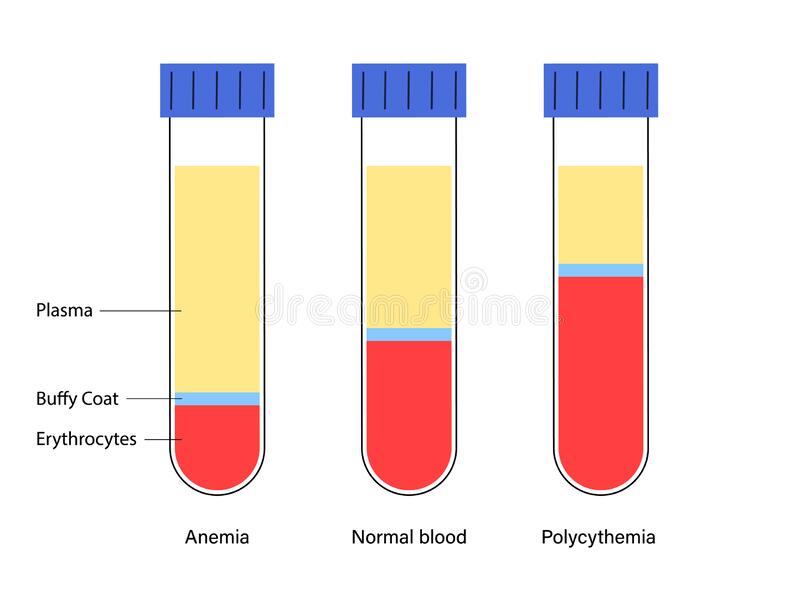
This test measures the percentage of red blood cells in the total blood volume. A low haematocrit level may be a sign of bone marrow disease, inflammatory ideas, iron and vitamin deficiency, Internal bleeding, haemolytic anaemia, kidney failure, leukaemia, lymphoma, sickle cell anaemia. Whereas a high haematocrit could be a sign of heart disease, dehydration, kidney and lung disorder, or if you live in a higher altitude.
Normal: 40 – 50 %
RDW-CV and RDW – SD – Red Cell Distribution Width
It is the variation between the width of the red blood cells. A higher value indicates that the width difference between the red cells is quite large. A large RDW can tip the doctor off about vitamin or nutrient deficiency or anaemia. The difference between CV and SD is of a mathematical calculation. Normal: 11.6 – 14%
MPV – Mean Platelet Volume in CBC
This test gives the average size of the platelet in the blood. These test usually read with the platelet count. They play a role in stopping of blood in case of an injury. A high MPV is an indication of larger platelets. A large platelet is a young platelet. So either the body producing platelets quickly and/or the old ones are getting destroyed faster. This then warrants additional investigation with bone marrow typing etc. Other reasons for high MPV is hyperthyroidism, heart disease, diabetes, vitamin D deficiency, high blood pressure, stoke, atrial fibrillation. Whereas a low MPV could indicate inflammatory bowel disease, aplastic anaemia and chemotherapy.
Lymphocytes % and absolute
They are one of the body’s main types of immune cells. An increased lymphocyte would indicate a bacterial infection.
Mid cells % and absolute
They correspond to the cells of the immune system which corresponds to the monocytes, and other macrophages. Any abnormalities warrant further investigation with a pathologist.
Granulocytes % and absolute
They are small granules of the white blood cells which include neutrophils, eosinophils and basophils.
CBC Overview: A complete blood count (CBC) is a blood test used to evaluate your overall health and detect a wide range of disorders, including anaemia, infection and leukaemia. A complete blood count test measures several components and features of your blood.
How is CBC test done?
The surest method is to visit a pathologist or a registered laboratory wherein the nurse of the lab tech will take a sample of the blood from the vein in your arm. This blood sample, then sent to the laboratory for processing. At Royal Dental Clinics, with our in-house fully automatic pathology machine the reports can prepared within a few minutes. Usually around 1 to 2 ml of blood required for a CBC test. But with the new advanced technology in analysers now a few drops of blood are enough to give accurate results.
In case of any discrepancy one should visit their pathologist or physician.
FAQs to be added
Is CBC compulsory before every dental treatment?
No, CBC is not compulsory before every routine dental procedure. For simple check-ups, cleaning, small fillings, or minor dental care, it may not be needed. However, it may be advised before surgical procedures, implants, extractions, full mouth rehabilitation, treatment of swelling or infection, or when the patient has a medical condition. The decision depends on the patient’s health, symptoms, procedure type, and clinical judgment.
Can I undergo dental implant treatment if my CBC is abnormal?
An abnormal CBC does not always mean implant treatment is cancelled, but it does mean the report should be reviewed carefully. Mild variations may only need observation or correlation with history, while significant anaemia, infection markers, very low platelets, or immune-related concerns may require physician clearance before implant surgery. The safest approach is to correct or understand the abnormality first, then proceed with dental treatment when the patient is medically stable.