All the metabolism of the body taken care by an hormone known as Thyroid. The oral cavity adversely affected by either a decrease or an increase of this hormone. Before undergoing any dental treatment or those under medication for thyroid dysfunction require a proper risk management. Patients with uncontrolled thyroid levels, recent thyroid medication changes, cardiac symptoms, or major surgery/implant planning may need medical clearance or coordination with their physician/endocrinologist. Does Thyroid affect Dental Health, speak to your dentist now?
Dental professionals can overlook thyroid disease easily. When reviewing medical histories, dental professionals often focus on heart and lung conditions, high blood pressure, cancers, past and recent surgeries, and diabetes. Reviewing a patient’s medical history for all endocrine and autoimmune diseases is just as important. This disease has dental health issues that need to be taken into consideration before any dental treatment.
Thyroid dysfunction is the second most common glandular disorder of the endocrine system and is no.1 among women. Many patients go undiagnosed or have disease that is not well controlled. Dentist should be aware of the oral and systemic manifestations of thyroid disease so they can best treat the patient. If uncontrolled or undiagnosed thyroid disease is expected, it is important to contact the patient’s primary-care physician or endocrinologist prior to any elective oral procedures.
HYPOTHYROIDISM (Thyroid Health)
If your body makes too little thyroid hormone it is called hypothyroidism. Its defined vas decrease in these hormone production and thyroid gland function. Its caused by chronic thyroiditis, radioactive iodine, surgery.
Symptoms such as slow metabolic rate, weight gain, lethargy, intolerance to cold and heat, cool skin ,puffiness of face and eyelids seen. Blood pressure is normal but heart rate is slow. The common oral findings in hypothyroidism include macroglossia, thickening of lips, delayed eruption of teeth, poor periodontal health, altered tooth morphology and delayed wound healing.

HYPERTHYROIDISM (Thyroid Health)
If your body makes too much thyroid hormone, you can develop a condition called hyperthyroidism. Symptoms such as intolerance to heat, weight loss, increased appetite, tachycardia seen. The common oral findings in hyperthyroidism include susceptibility to caries, periodontal disease, accelerated dental eruption, burning mouth syndrome, Sjogrens syndrome, enlargement of extraglandular thyroid tissue.
Hyperthyroidism is caused by unregulated production of thyroid hormones and is characterized by tremors, intolerance to heat, sinus tachycardia, hypertension, increased appetite, and weight loss. A patient is at risk for hyperthyroidism if he or she has a family history of thyroid disease; has other systemic conditions, such as pernicious anemia, type 1 diabetes, or primary adrenal insufficiency; consumes large amounts of iodine; is over 60; is female; and/or has been pregnant in the last six months.
These symptoms will have an impact on one’s oral health. A regular dental and thyroid check-up is important.
Royal Dental Clinics Dentist
If your blood reports show an increase or decrease in the thyroid hormone levels one should notify their dentist before undergoing any dental treatment. At Royal Dental Clinics, the dentists take a thorough case history of the patient to understand their underlying systemic conditions which will further alter the treatment plan . The dentists stress on the importance of patients endocrinologist consent for smooth and effective dental treatment.
Thyroid affect Dental health
Understanding of thyroid imbalances is importance for a dentist. Firstly, the dentist may be the first to suspect a serious thyroid disorder and aid in early diagnosis. Secondly to avoid any possible dental complications resulting from treating thyroid patients. Modifications of dental care must be considered when treating patients who have thyroid disease thus take proper medical history. Dental professional can protect the thyroid gland by using a thyroid collar while taking patient X-rays. The thyroid is sensitive to radiation, and excessive radiation exposure is a known risk factor for various thyroid conditions.
Awareness of the condition and current stage of treatment is important in understanding the possible modifications needed for dental treatment. Important to understand the metabolic control of patients. The main complications of patients with hyperthyroidism and hypothyroidism are associated with heart comorbidity. Dental professionals have a responsibility to be aware of the different dimensions of the disease and treatment that could affect a patient whose medical history reflect thyroid problems.
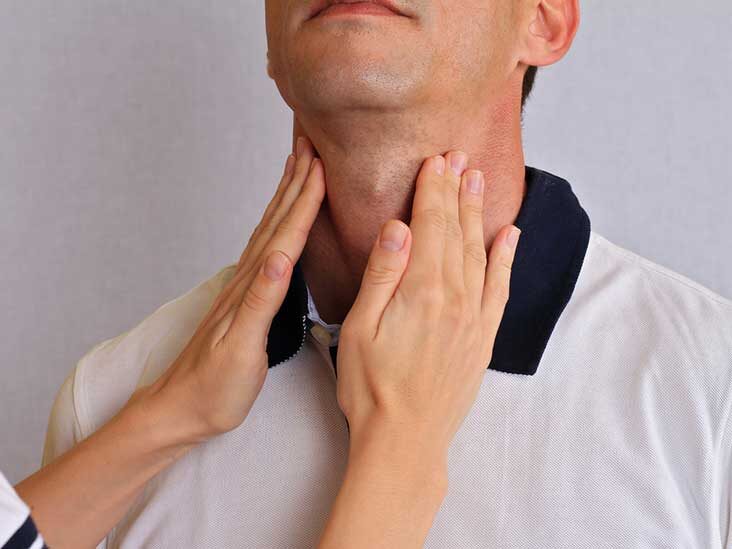
How can thyroid affect dental health?
Thyroid hormones influence metabolism, bone turnover, healing, energy levels, and body response to stress. Because of this, thyroid imbalance may indirectly affect oral health and dental treatment planning.
Some thyroid patients may experience dry mouth, burning sensation, altered taste, gum inflammation, delayed healing, or increased sensitivity to dental stress. These problems are not the same for every patient. A patient with well-controlled thyroid levels may have a very different dental risk compared with a patient whose thyroid condition is untreated or unstable.
Why should thyroid patients inform their dentist?
A thyroid history helps the dentist plan treatment safely. The dentist should know whether the patient has hypothyroidism, hyperthyroidism, thyroid surgery history, thyroid medication, radioactive iodine treatment, palpitations, high blood pressure, anxiety, weight changes, or recent abnormal thyroid reports.
This is especially important before extractions, dental implants, full-mouth rehabilitation, oral surgery, sedation, or long dental appointments. In uncontrolled hyperthyroidism, dental stress and certain drugs may need extra caution because of possible heart-rate and blood-pressure concerns.
Can thyroid patients get dental implants?
Yes, many thyroid patients can get dental implants if the condition is well-controlled. The dentist should assess bone quality, gum health, oral hygiene, healing ability, medication history, bite forces, and medical stability before planning implants.
Thyroid disease should not be presented as an automatic contraindication for implants. However, uncontrolled thyroid levels, poor bone health, smoking, diabetes, gum disease, or poor oral hygiene may increase treatment risk and should be corrected or stabilised before implant surgery.
Conclusion to Dental health and Thyroid
Dental treatment modifications may be necessary for dental patients who are under medical management and follow-up for a thyroid condition even if there are no comorbid conditions. Stress reduction, awareness of drug side effects or interactions, and vigilance for appearance of signs or symptoms of hormone toxicity are among the responsibilities of the oral health care provider.
FAQs
Can thyroid problems affect teeth and gums?
Yes, thyroid imbalance may indirectly affect oral health. Some patients may experience dry mouth, gum inflammation, delayed healing, burning sensation, altered taste, or higher risk of dental problems if oral hygiene is poor. However, not every thyroid patient will have dental complications. The risk depends on whether the thyroid condition is controlled, the patient’s medication, oral hygiene, and overall health.
Should I tell my dentist that I have thyroid disease?
Yes. You should tell your dentist if you have hypothyroidism, hyperthyroidism, thyroid surgery history, thyroid medication, abnormal thyroid reports, palpitations, anxiety, high blood pressure, or recent medication changes. This helps the dentist plan local anaesthesia, appointment duration, surgical treatment, implants, and healing precautions more safely.
Can thyroid patients get dental implants?
Yes, many thyroid patients can get dental implants if their thyroid condition is stable and medically controlled. Before implant treatment, the dentist should check bone support, gum health, oral hygiene, healing risk, bite forces, medication history, and medical reports. In uncontrolled thyroid disease, treatment may need to be postponed or planned with physician/endocrinologist clearance.
© All rights reserved by Royal Dental Implants Pvt Ltd
Issued in public interest