Jaw and Oral Health

Treatment after Oral Cancer Rehabilitation

After oral cancer treatment, rehabilitation begins with the structures that remain and the functions you want to improve. Chewing, speech, swallowing and support for the face can raise different needs. Surgical records, radiotherapy details and previous prostheses help the team understand the starting situation.

Possible approaches may involve preserving useful teeth, adapting a prosthesis, an obturator or implant-supported replacement in suitable cases. The clinician explains what can reasonably be planned and when coordination with the oncology team is needed. Fixed teeth in a short treatment sequence are considered only where the individual findings support that plan.

Planning
Cancer and reconstruction records
Goal
Useful function and maintainable care
Team
Dental and oncology coordination
Oral Cancer Rehabilitation in Mumbai
Dental treatment area at Royal Dental Clinics Mumbai

Start with a conversation

Let’s understand
what you need.

Your consultation is an opportunity to understand the findings and compare suitable options. Ask what can happen on the first treatment day, which later visits may be needed, and what the estimate includes. A family member can help you consider travel, recovery and maintenance arrangements.

Consultation ₹1,500 · Usually 45–60 minutes

Bring the cancer treatment records

The team needs the diagnosis, surgical details, radiotherapy history, reconstruction records and current medical advice. The condition of the tissues, mouth opening, saliva and remaining teeth affects treatment. Dental rehabilitation is coordinated with cancer follow-up; it does not replace oncology care.

Preserve useful structures

Remaining teeth and tissues are assessed for maintainable support. Care may include prevention, restorations, appliances, obturators or implant-supported teeth. The appropriate option depends on anatomy, function, cancer treatment and the patient’s ability to clean and attend reviews.

Implants need additional considerations

Bone and soft tissues after surgery or radiotherapy require individual assessment. Healing risks and the timing of implant placement may differ from routine care. The surgeon explains the benefits, alternatives and specific complications, including risks relevant to irradiated bone where applicable.

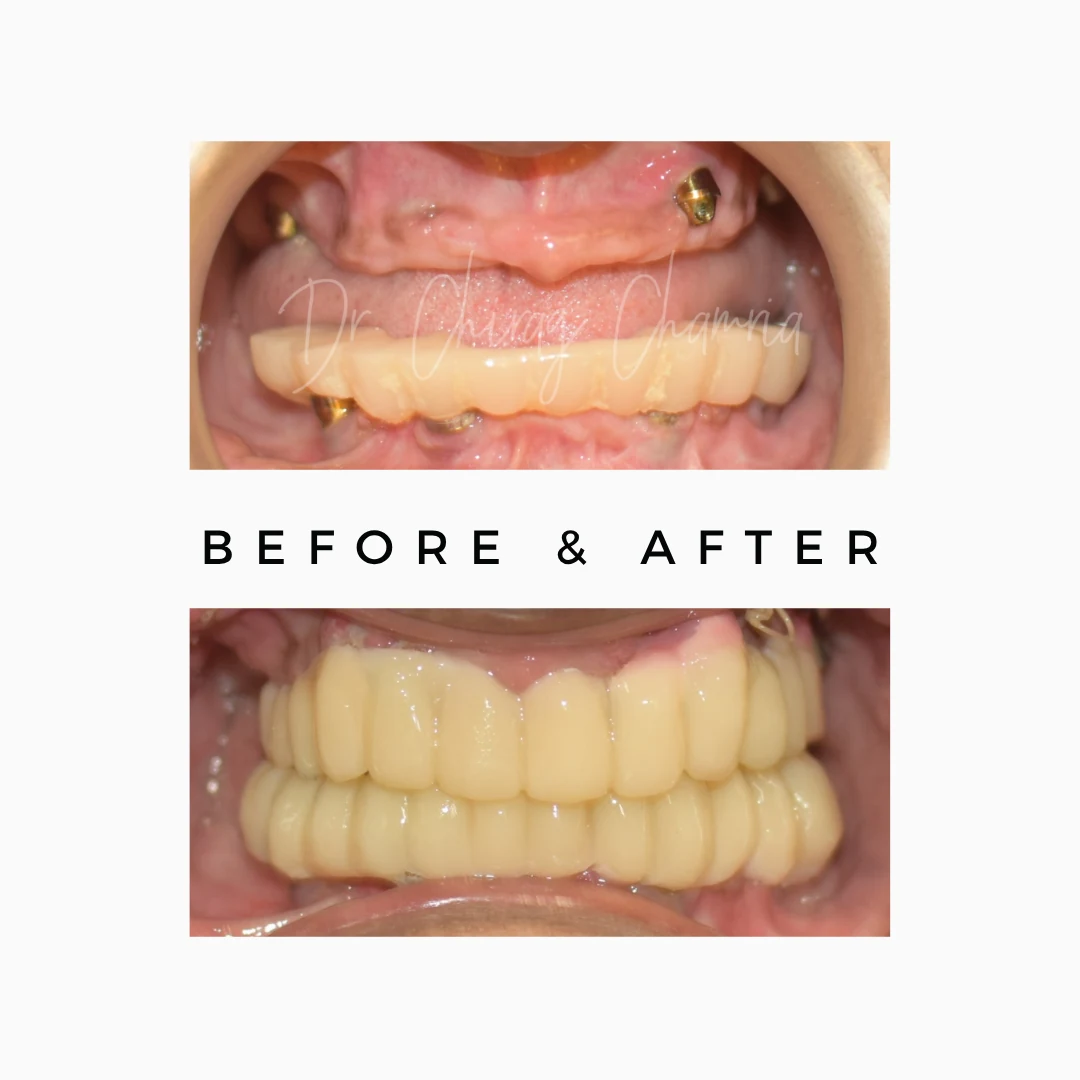
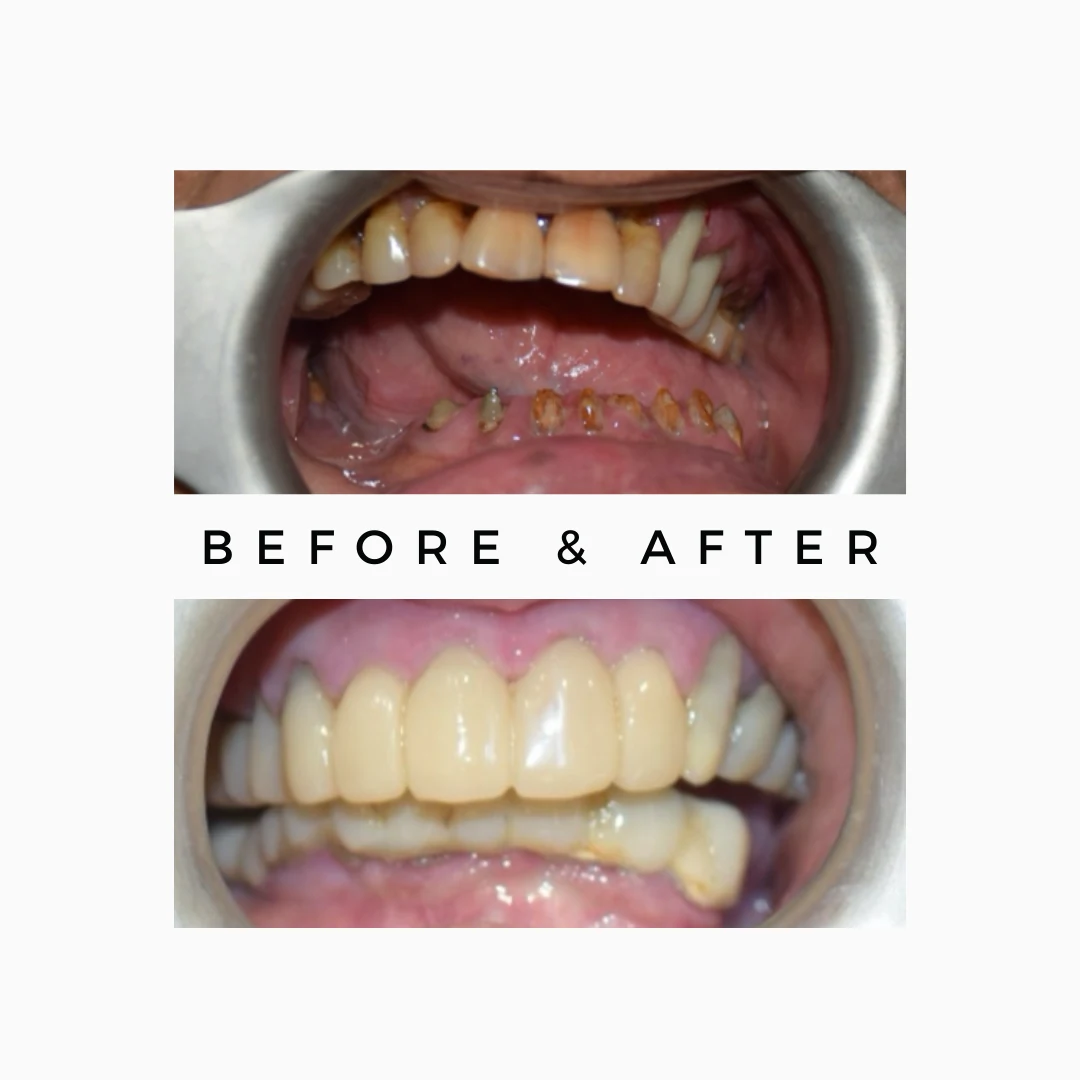
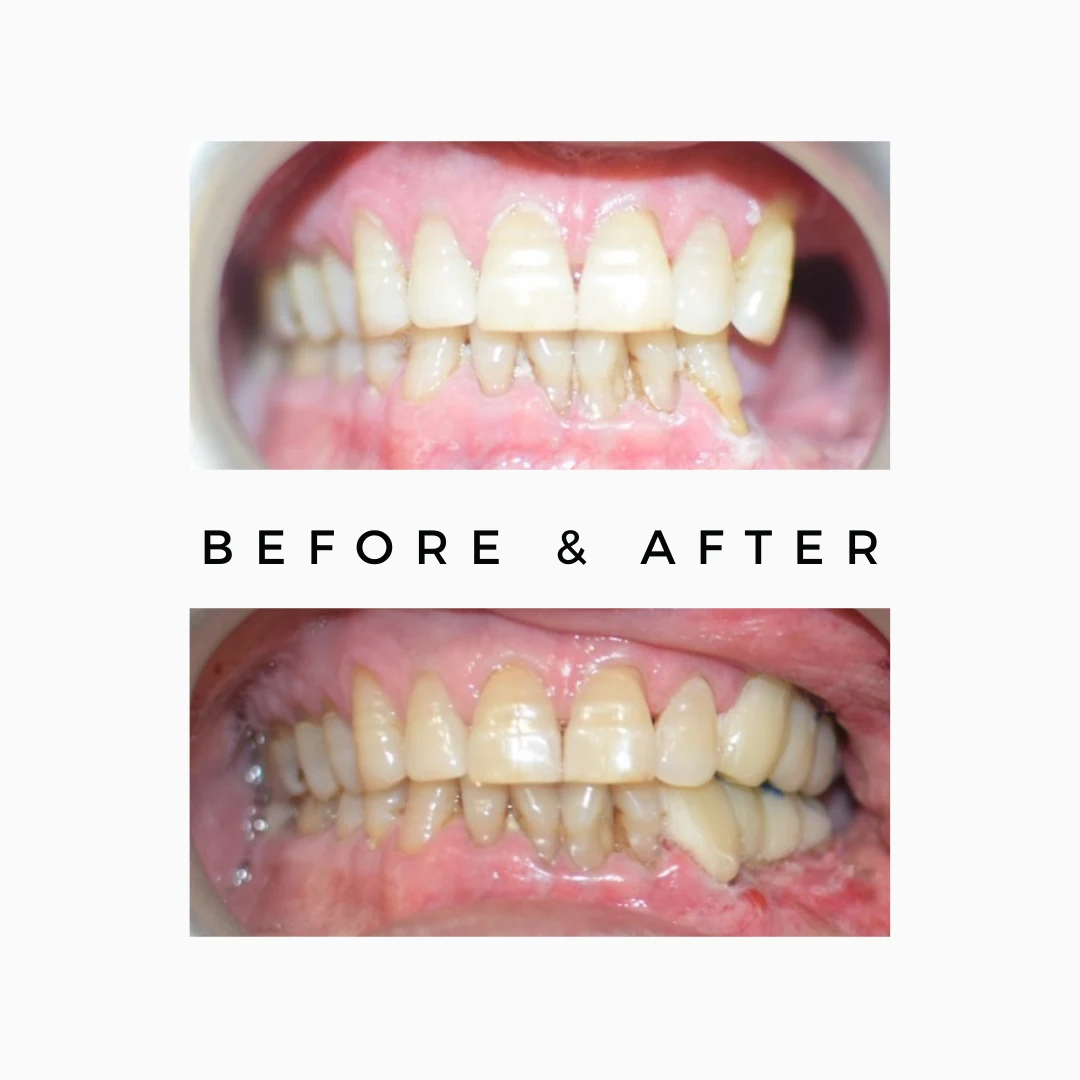
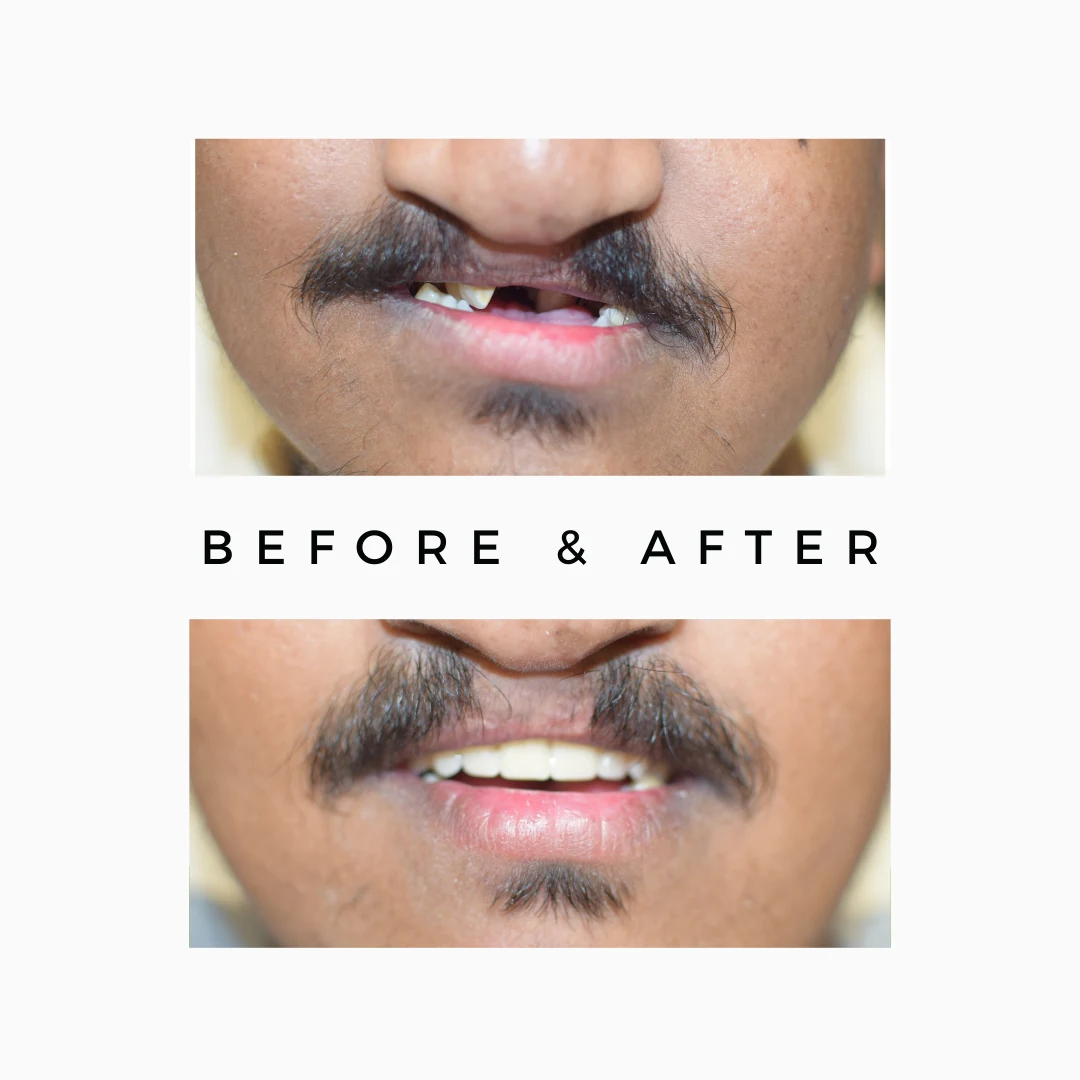
Before & after · Royal Dental patients

See the smiles.
Understand the possibilities.

Explore photographs of treatment published by our clinic. Your own plan starts with an individual assessment.

Actual photographs published by Royal Dental Clinics. Individual results vary; photographs alone do not establish the treatment, timeframe or suitability for another patient.

Videos from YouTube

Hear more about
Oral Cancer Rehabilitation

Watch patients describe their own treatment experiences, in their own words.

Oral and Maxillofacial surgery

Oral cancer treatment

Biopsy and Tumours

Individual patient experiences, shared on the clinic’s YouTube channel. Outcomes and treatment times vary.

Oral and Maxillofacial Surgery · Since 1983

Know more about
Oral Cancer Rehabilitation in Kandivali

Bringing the cancer treatment records

The details of previous surgery and other cancer treatment can materially affect dental planning. Bring discharge summaries, relevant imaging, treatment dates and existing prosthesis records where available. Explain what you find hardest in daily life so the assessment can focus on functional priorities as well as appearance.

Comparing rehabilitation approaches

A suitable plan depends on the defect, remaining tissues, health factors and ability to use and clean the replacement. Ask how an obturator, removable prosthesis or implant-supported option would address your specific needs. The discussion should include limitations, fitting stages and follow-up rather than assuming implants are suitable for every survivor.

Questions before you decide

Your questions answered

No. Surgery, radiation, anatomy, health and current cancer care determine suitability and timing.

No. It supports dental and oral function alongside ongoing oncology treatment and surveillance.

No. Medical records, examination and appropriate investigations are needed.

Bring surgical and oncology summaries, radiotherapy details, imaging and information about current medicines. Planning may require discussion with the team responsible for your cancer care.

For some defects, an obturator or another removable prosthesis may be considered. The choice depends on the defect, tissue condition, function, retention and overall treatment plan.

Choose your centre

Mumbai and Jaipur

Mumbai · Kandivali East

79, V-Mall, Thakur Complex, Kandivali East, Mumbai 400101

Monday–Saturday · 8 am–7 pm
Sunday closed · By appointment

Jaipur · Shastri Nagar

Plot No 7, Subhash Nagar Road, in front of Krishna Kripa Apt, Shastri Nagar, Jaipur 302016

Appointments and current hours confirmed by the Jaipur team.

A realistic rehabilitation sequence

Some selected restorations may be delivered promptly; complex reconstruction can need staged care. The plan identifies the intended function, clinical team, investigations, procedures, cost and review period. Discuss eating, speech, comfort and appearance separately so expectations are clear.

Maintenance and ongoing surveillance

Attend the dental and oncology reviews recommended for your condition. Maintain careful hygiene and report ulcers, exposed bone, swelling, new pain or changes in fit. Any new suspicious lesion needs assessment rather than being attributed automatically to the restoration.

Oral-surgical assessment and rehabilitation

Royal Dental Clinics provides oral-surgical care and rehabilitation after oral cancer treatment. Restoring speech, chewing, appearance or separation of an oral defect requires an understanding of the original disease, surgery, tissue condition and ongoing medical care.

For a new lesion, the priority is assessment and appropriate diagnosis rather than cosmetic or implant planning. Bring pathology and oncology records where relevant. A rehabilitation plan may involve different clinicians and can include removable or fixed prosthetic options according to the findings.

WhatsApp