
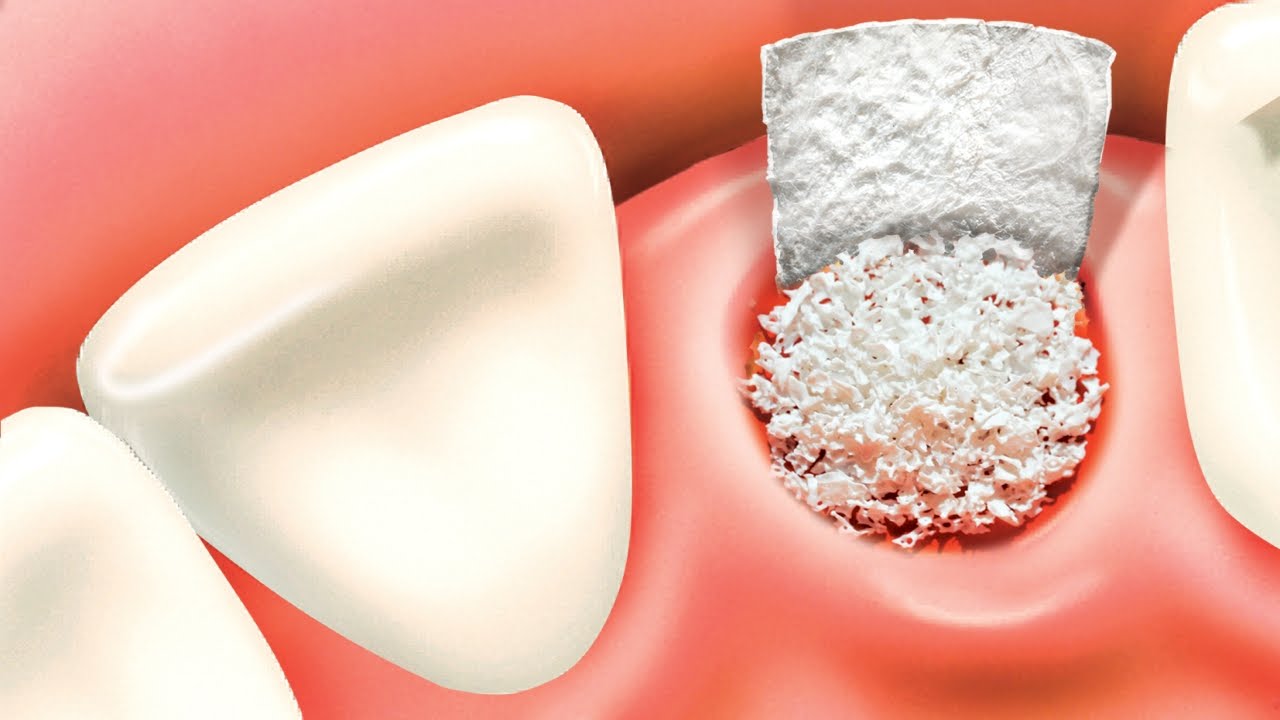
TOral cancer surgery may leave defects in the jawbone that require reconstruction to restore function and appearance. Bone grafts help rebuild lost bone, making it possible to restore chewing, speech, facial structure, and, in many cases, support future dental implants. This article explains the different types of bone grafts, their uses, advantages, and possible risks.
Advances in oral and maxillofacial surgery have significantly improved the success of bone grafting after oral cancer surgery. Modern reconstruction techniques often combine bone grafts with advanced imaging, 3D surgical planning, and dental implant rehabilitation to restore both function and facial appearance. The choice of graft depends on the amount of bone lost, the patient’s overall health, and the long-term treatment goals.
Who Is This Article For?
- Patients diagnosed with oral cancer who require jaw reconstruction after surgery.
- Individuals considering bone grafting before dental implant rehabilitation.
- Family members seeking information about post-cancer oral rehabilitation.
- Patients looking to understand the different bone grafting options recommended by oral and maxillofacial surgeons.
Bone Grafts
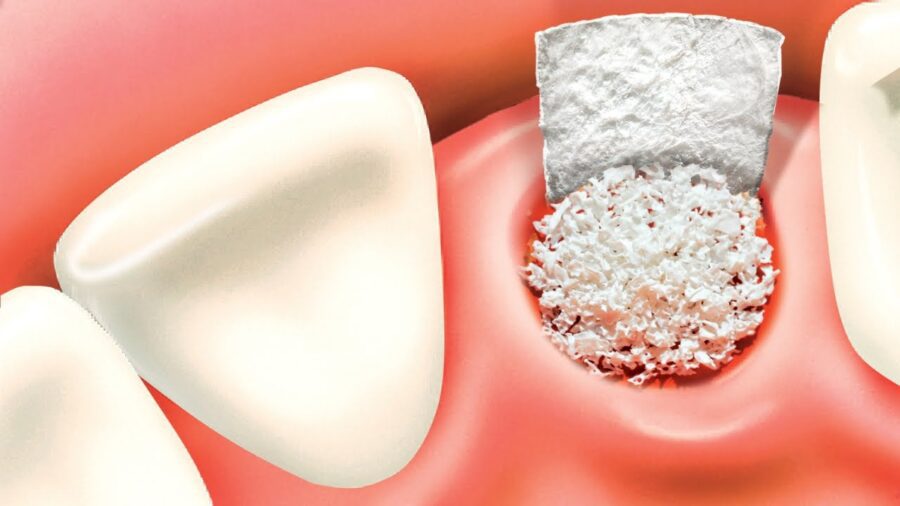
When a person undergoes oral cancer surgery, the surgeon will use a graft to fill in any gaps left in the jawbone. Tissue grafts are made from cartilage, bone, or skin and are put in the empty space created by the tumour removal. The graft is then allowed to heal before it is restored with a permanent implant such as dental implants or a bone reconstruction plate .
Autografts
An autologous graft is made from your own tissue. Your doctor a piece of bone from a part of the body used in the surgery. The graft shaped and inserted into the mouth, where it will grow and develop as your mouth heals.
Allografts
Allografts are grafts from tissue from a donor. It is a good option for use during oral cancer surgery because it is easy to get. However, there can be complications due to an immune response because this tissue will not belong to the patient.
Alloplastic Materials
Bone grafts made from alloplastic materials are the most common type. These materials include titanium and synthetic substances like hydroxyapatite. The advantages to alloplastic bone grafts is that they used for many different types of surgery, and are often the best option for patients who had surgery in the area being grafted. They also offer a more stable and reliable source of bone, which is what makes them so popular. The disadvantages to these types of grafts is that they may not always be as strong as other options, and they require a healing period.
Osteo-osteointegration
These grafts are made from a variety of tissues, each with its own advantages and disadvantages. Osteo-osteointegration is a newer type of bone graft that can be used after oral cancer surgery. It’s made from the patient’s healthy bone and harvested before surgery by cutting into small blocks. These blocks are then inserted in the area where the tumor was removed to help regenerate lost bone tissue.
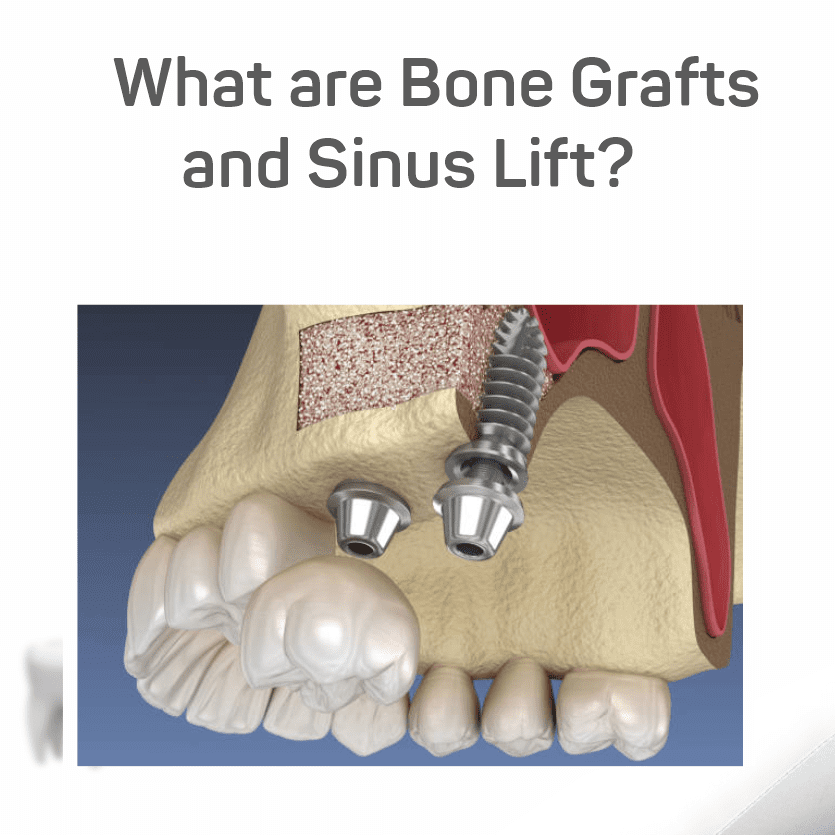
Osteo-osteointegration is shown to be more successful than other types of bone graft because it removes the need for a donor site (donor site being an area where tissue is taken). This means that there is no need for the patient to have another surgery to obtain new healthy tissue. Osteo-osteointegration, like all other types of bone grafts, does come with some possible side effects. Patients could experience difficulty swallowing or chewing as well as dizziness or vertigo.
Osteochondral Allografts
Osteochondral allografts made from the femoral condyle of a cadaver. They are used to replace missing bone and joints in the jaws. They when bone loss is more than half the size of the joint. This type of graft has a low incidence rate for side effects, such as infection or poor blood flow.
Osteochondral Autograft
Osteochondral autografts are pieces of bone extract the patient’s pelvic bone. They are typically two pieces, called “plug grafts,” with each plug measuring about 4x2x2 cm. One plug to replace one section of bone in the jaw and the other plug is put into a cavity in the pelvis created by removing one or more pieces of pelvic bone. The plugs in these cavities without any fixation material, so that they can heal in place as part of the patient’s own skeleton.
The major disadvantage to using this graft is that it can take months for the bones to heal together. This healing time may lead to a longer recovery period for patients, but it also makes the insertion more stable and prevents new fractures from occurring.
Pros and Cons of Bone Grafts in Oropharyngeal Cancer Surgery
Bone grafting to reconstruct the jaws and palate after cancer surgery. With a variety of materials, but the most common types are autologous bone grafts or allografts. Autologous means that the graft from your own body and then transplanted back into your mouth, whereas an allograft is a graft from another person’s body.
There are many different types of grafts:
Autogenous Bone Graft: Autogenous bone grafts from one area of your own body and used for another area. They made from the patient’s rib or hipbone. There can be some problems with this type of transplant, such as possible rejection or infection.
Allogenic Bone Graft: Allogenic bone grafts by another person’s body and transplanted into your mouth. This type can have more complications than autogenous bone grafts because they do not originate in your own body, leading to rejection problems or differences in blood type incompatibility.
Osteoconductive Membrane: An osteoconductive membrane over an area removed during surgery to help promote new bone growth around where the tissue once was. This membrane does not contain any cells but does work by providing a scaffold for new cells to grow on so that they can make their way down into the empty space left behind by surgery.
Bone Grafts: Uses and Side Effects
They are made of either bioengineered or synthetic material. Bioengineered bone grafts made from a person’s own cells. Synthetic bone grafts are typically animal or human bone and are not considered to be as strong as bioengineered bone.
In the case of oral cancer surgery, the type of bone graft used is based on its purpose. For example, if the goal is to repair the jawbone, an autologous iliac crest bone graft would be appropriate. There may be some side effects with the use of a bone graft.
What is a bone graft after oral cancer surgery?
A bone graft is a procedure used to rebuild jawbone lost during oral cancer surgery. It restores bone volume, supports facial structure, improves oral function, and may provide a stable foundation for future dental implants. Recovery after bone graft surgery varies from person to person, but maintaining good oral hygiene, following post-operative instructions, and attending regular follow-up appointments are essential for successful healing. In many cases, once the graft has fully integrated with the surrounding bone, patients can proceed with dental implant treatment to restore their smile, improve chewing ability, and enhance their quality of life.
Conclusion
Bone grafts play an essential role in reconstructing the jaw after oral cancer surgery, helping restore function, facial aesthetics, and long-term oral health. Depending on the extent of bone loss, your oral and maxillofacial surgeon may recommend an autograft, allograft, alloplastic graft, or another suitable option. A personalised treatment plan ensures the best possible outcome for recovery and future dental rehabilitation.
If you or a loved one requires bone grafting after oral cancer surgery, our experienced team at Royal Dental Clinics provides personalized treatment plans using advanced reconstructive techniques. We focus on restoring jaw function, facial aesthetics, and preparing patients for long-term dental rehabilitation.
FAQs
What is a bone graft after oral cancer surgery?
A bone graft rebuilds areas of the jawbone removed during cancer surgery to restore function and support future rehabilitation.
Which type of bone graft is best?
Autografts are often considered the gold standard because they contain living bone cells and promote faster healing. However, the best option depends on each patient’s condition.
How long does a bone graft take to heal?
Healing usually takes 3 to 6 months, depending on the graft type and the patient’s overall health.
Are bone grafts painful?
Most patients experience mild discomfort after surgery, which can usually be managed with prescribed medications.
Can dental implants be placed after bone grafting?
Yes. Once the graft has healed adequately, dental implants can often be placed to restore missing teeth.