In those first magical moments after your baby’s birth, you expect to see ten tiny fingers, ten tiny toes, and a beautiful, toothless grin. But for a very small percentage of newborns, a tiny, white tooth has already made an appearance. This rare phenomenon, known as a natal tooth, can be startling for any new parent, and the immediate question that follows is almost always the same: ‘Should I be worried?’ While it’s certainly a surprising sight, the good news is that natal teeth are not a cause for panic. This guide will help you understand what they are, the potential issues they may pose, and when you should consult with your pediatrician or a pediatric dentist.
These are called natal teeth. Natal teeth are relatively rare, occurring in about 1 out of every 2,000 births. It can be a shock if your baby is born with teeth. But you don’t need to worry or take action unless the teeth interfere with feeding, or are a choking hazard!
Causes of babies born with teeth
While it may seem like a baby being born with teeth is a medical anomaly, this condition is quite common. It’s thought that at least one out of every 10 babies is born with teeth, and that number increases to one out of every three among Asian populations. The cause of a baby being born with teeth is largely unknown. Some believe that there may be a genetic component to this phenomenon, as it can run in families.

What we do know is that the presence of teeth in a baby’s mouth is caused by an abnormality in the baby’s jawbone. The bone doesn’t grow around the tooth, causing it to remain exposed, even after the rest of the baby’s mouth has formed around it.
Risks associated with babies born with teeth
When your baby is born with teeth, it’s important to remember that the teeth present in their mouth don’t have a root. This means that your baby’s risk for infection is much higher than it would be if their teeth were fully formed. It’s important to take proper care of your baby’s teeth, especially when they’re still in the process of forming. You can do this by gently cleaning their mouth with a damp cloth or soft toothbrush after each feeding.

While it’s advisable to see a dentist immediately, you don’t need to be overly concerned about your baby’s teeth right away. While it’s always good to brush your teeth and see a dentist regularly, your baby’s teeth will fully develop in the next few years. You can care for your baby’s teeth in the meantime by keeping them as clean and bacteria-free as possible.
Diagnosing and treating babies born with teeth
If your baby is born with teeth, you should contact your baby’s doctor as soon as possible. Your doctor will perform an examination and can likely tell you if your baby’s teeth are still forming. If your baby’s teeth are fully formed, your doctor will likely recommend that you have them removed. The best time for removing a baby’s teeth is when they’re still in the gum, as this significantly reduces the risk of infection.
However, if your baby’s teeth have broken through the gum and are fully visible. Your doctor will likely recommend that you wait until they can fully form before having them removed. While removing a baby’s teeth is a relatively quick and painless procedure, you can expect your baby to be a bit irritable afterwards. Because their teeth are the first thing to touch their food when they eat.
How to care for a baby born with teeth
In addition to keeping your baby’s teeth clean, you’ll also want to make sure to protect them from trauma. This is important to keep in mind when your baby is teething, as they’ll likely be very interested in chewing on items. You can protect your baby’s teeth from damage by keeping them away from items that can easily break.
You can help prevent cavities and other dental issues by avoiding too many sugary foods. You can also try brushing your baby’s teeth with a soft baby toothbrush and water. This can help your baby get used to having their teeth brushed, which they’ll be expected to do themselves.
When to see a dentist?
Every parent looks forward to the day their baby gets their first tooth. But did you know that some babies are already born having teeth? They’re called natal teeth, and they’re completely normal, although rare. If your baby is born with teeth, you don’t need to panic. While it is a rare condition, it doesn’t indicate a serious health concern. Still, it’s important to talk to your doctor about the best course of action for your baby’s condition.
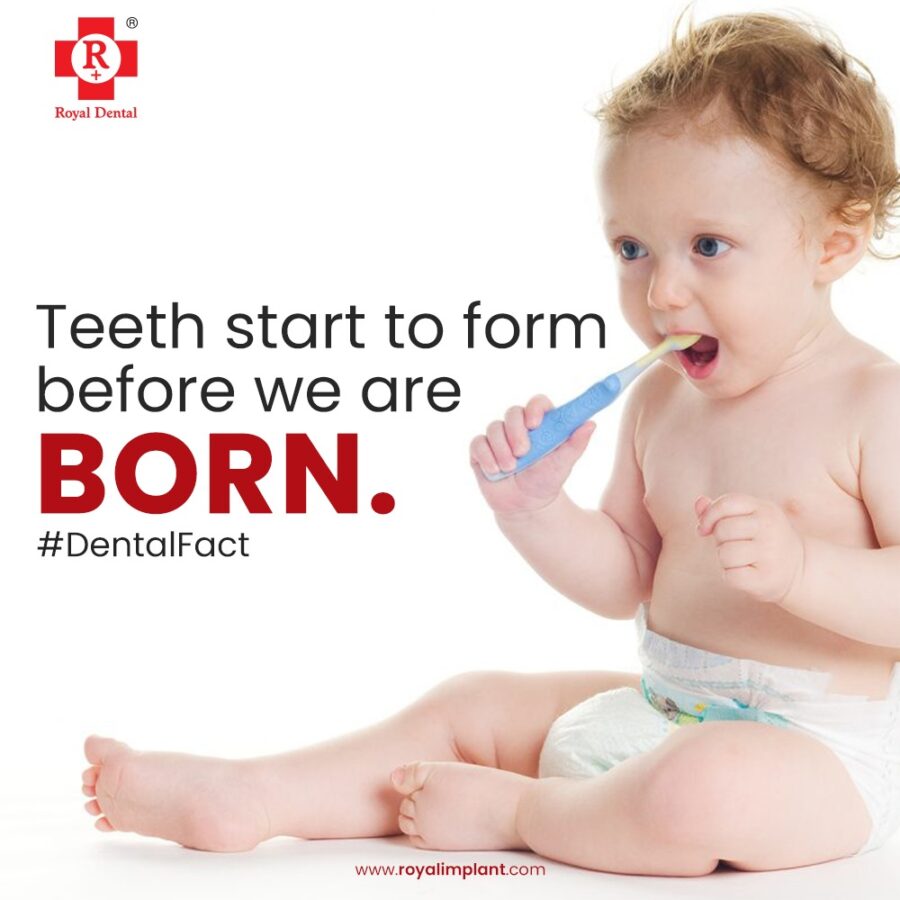
Your doctor can examine your baby’s mouth and determine whether its teeth are fully formed or still in the process of forming.
Conclusion
If your baby is born with teeth, you don’t need to worry. While it’s a rare condition, it doesn’t indicate a serious health concern. Still, it’s important to talk to your doctor about the best course of action for your baby’s condition. Your doctor can examine your baby’s mouth and determine whether its teeth are fully formed or still in the process. Then, they can recommend some home remedies and discuss what steps you should take if your baby’s teeth break through the gum.