
Sharp canine teeth can make a smile look bold, youthful, and expressive. Some people like their pointed canines because they add character to the smile, while others feel they look too sharp, uneven, or “vampire-like.” The important point is that canine teeth are naturally more pointed than other teeth and also play an important role in bite balance. If you are unhappy with their shape, a dentist can check whether simple polishing, bonding, veneers, orthodontics, or no treatment is the best option.
Who is this article for?
This article is for patients who feel their canine teeth look too sharp, long, pointed, bulky, or uneven in photographs. It is also useful for patients who hide their smile because of “vampire teeth,” chipped canines, worn canines, or asymmetry between the right and left canine. A cosmetic dental consultation can help decide whether the tooth needs reshaping, bonding, alignment correction, or only reassurance.
Why are canine teeth naturally sharp?
Canine teeth are naturally longer and more pointed than front teeth because they help cut food, guide the bite, support the lips, and maintain smile shape. They are not meant to look exactly like central or lateral incisors. In many smiles, slightly sharp canines add youthfulness, character, and natural expression.
Are Sharp Canine Teeth Attractive?
Sharp canine teeth can be attractive, but their appeal mostly depends on personal preferences and cultural variables, according to dentists, especially Dr. Chirag Chamria. Because they are longer and more pointed by nature than other teeth, canines are essential for biting and ripping food. Their distinctive form can improve the beauty of the face and give a grin more personality.
Dr. Chamria may stress that although some individuals find sharp canines attractive and a symbol of strength or confidence, others could like a more homogeneous appearance. Both tastes can be accommodated by cosmetic dentistry, which can either enhance or soften sharp canines for a more striking appearance. In the end, one’s perception of how attractive sharp canine teeth are is personal, but dentists can assist in achieving the appropriate aesthetic while maintaining usefulness and health.
Uses of canine teeth
The purpose of canine teeth is to grasp and tear food, particularly flesh. They are perfect for this purpose because of their strength and pointed shape. Canines are very important for the location and alignment of other teeth. They support a balanced bite by assisting in moving the teeth into their correct positions when you close your mouth. Together with other teeth, canines aid in the articulation and pronunciation of some sounds. They are necessary for speaking clearly. The general structure and form of your grin are influenced by your canine teeth. Their unique shape can give your face more personality and harmony. By absorbing part of the pressure and lowering the possibility of harm to the incisors and molars when chewing, the canines assist in safeguarding the other teeth.
Should sharp canines always be reshaped?
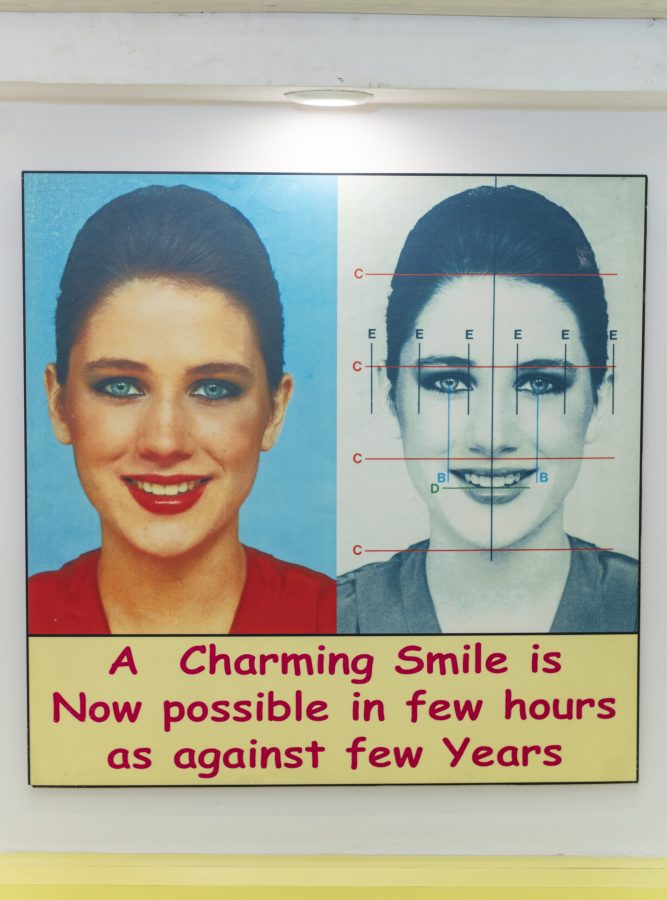
No. Sharp canines do not always need treatment. In many patients, pointed canines are normal and can make the smile look more natural. The dentist should first check tooth length, enamel thickness, bite contact, gum level, facial profile, and smile line. Over-flattening the canines may make the smile look aged or artificial.
Treatment options for sharp canine teeth
Treatment depends on the cause and the patient’s smile goals. If the canine is only slightly sharp, minor enameloplasty or polishing may be enough. If the tooth is small, chipped, or uneven, cosmetic bonding can add shape without cutting much tooth. If there are multiple smile concerns, veneers or crowns may be considered. If the canine looks sharp because it is rotated, crowded, or out of position, aligners or braces may be better than reshaping.
What is enameloplasty for canine teeth?
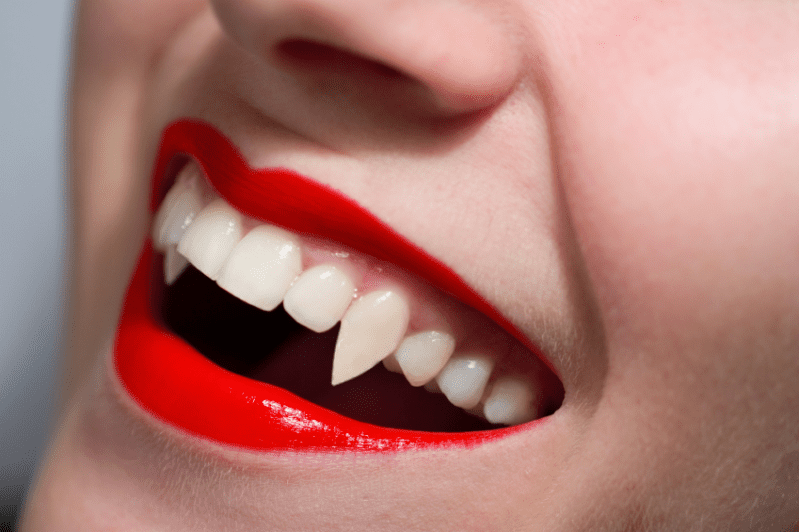
Enameloplasty, also called tooth reshaping or contouring, means carefully polishing or reshaping a small amount of enamel to improve tooth shape. It can help soften a very pointed canine or smooth a chipped edge. However, enamel removal is permanent, so it should be done conservatively and only after checking the bite and enamel thickness.
When bonding may be better than reshaping
Bonding may be better when the canine is short, worn, chipped, narrow, or uneven. Instead of reducing enamel, tooth-coloured composite is added to improve symmetry and shape. Bonding is often more conservative than aggressive grinding, but it may need maintenance over time because it can chip or stain depending on bite and habits.
Why bite checking is important before reshaping canines
Canines are not only cosmetic teeth; they are also functional teeth. They often guide the lower jaw during side-to-side movement. If too much structure is removed without checking the bite, it may affect chewing comfort or increase pressure on other teeth. A smile-design plan should therefore include both aesthetics and function.

Missing topic to add — sharp canine teeth can look attractive when balanced
The goal is not to make every tooth look flat and identical. A natural smile usually has some variation in tooth shape. Slightly sharp canines can make the smile look youthful and confident. The dentist’s job is to soften only what looks excessive while preserving the natural function and personality of the tooth.
How to care for your canine teeth
- Using fluoride toothpaste, brush your teeth at least twice a day. Make sure you brush your teeth on all surfaces, even the back ones.
- To get rid of food particles and plaque that a toothbrush could miss, floss between your teeth once a day.
- To lessen plaque and bacteria in your mouth, rinse with an antimicrobial mouthwash.
- Hard items, such as ice or hard candies, should be handled carefully since they may chip or harm your dogs.
- To stop tooth decay, consume fewer sugar-filled foods and drinks.
- Use a mouthguard to shield your teeth if you play contact sports or grind your teeth at night.
- To help keep your mouth hydrated and to help wash away food particles and bacteria, drink lots of water throughout the day.
- Steer clear of using your teeth to open bottles or packages, as this might lead to injury.
Royal Dental Clinics approach
At Royal Dental Clinics, canine reshaping is planned only after checking smile line, facial balance, tooth enamel, bite, gum levels, and patient expectations. The aim is to create a natural-looking smile without unnecessary cutting. Depending on the case, treatment may include polishing, cosmetic bonding, veneers, crowns, aligners, or simply reassurance.
FAQs
Are sharp canine teeth normal?
Yes. Canine teeth are naturally more pointed than other teeth. They only need treatment if they look too long, uneven, chipped, unaesthetic, or interfere with the bite.
Are sharp canine teeth attractive?
They can be attractive in many smiles. Some patients feel sharp canines make the smile look bold and youthful, while others prefer a softer look. The best shape depends on the face, lips, tooth proportions, and personal preference.
Can sharp canine teeth be reshaped?
Yes, but only carefully. Minor reshaping can soften the tip, but too much enamel removal can cause sensitivity or weaken the tooth.
Is canine tooth reshaping painful?
Minor enameloplasty is usually comfortable because only the outer enamel is polished. However, the dentist must check enamel thickness and tooth sensitivity before treatment.
Can bonding fix pointed canine teeth?
Yes. Bonding can improve shape, symmetry, and contour, especially when the tooth is chipped, narrow, short, or uneven. It is often a conservative option.
Will reshaping my canines affect my bite?
It can if too much tooth structure is removed. Canines play an important role in guiding jaw movement, so the bite should be checked before and after reshaping.
Can veneers change the shape of canine teeth?
Yes. Veneers can change canine shape, colour, and proportion, but they are usually considered when more than minor polishing is needed.
Should I file my canine teeth at home?
No. Filing teeth at home can permanently damage enamel, cause sensitivity, create rough edges, and affect the bite. Tooth reshaping should only be done by a dentist.