

A healthy smile is a symbol of the joy and grace. It makes others feel fresh and joyful and improves interactions. It also enables to communicate effectively. Dental clinics provide you with the best Smile Improvement Treatment options for your confident smile as well as a dazzling look. Veneers or laminates the thin customised shells of tooth coloured material which fit over the front surface of your tooth. But are SAPTeeth material really the right choice? Let’s find out more.
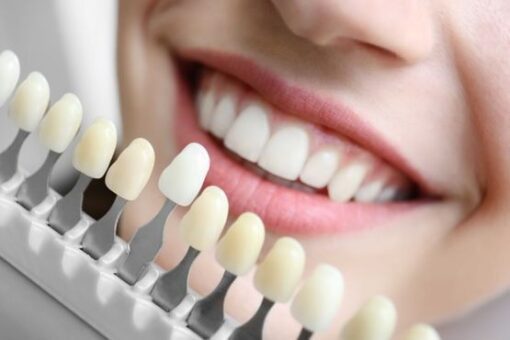
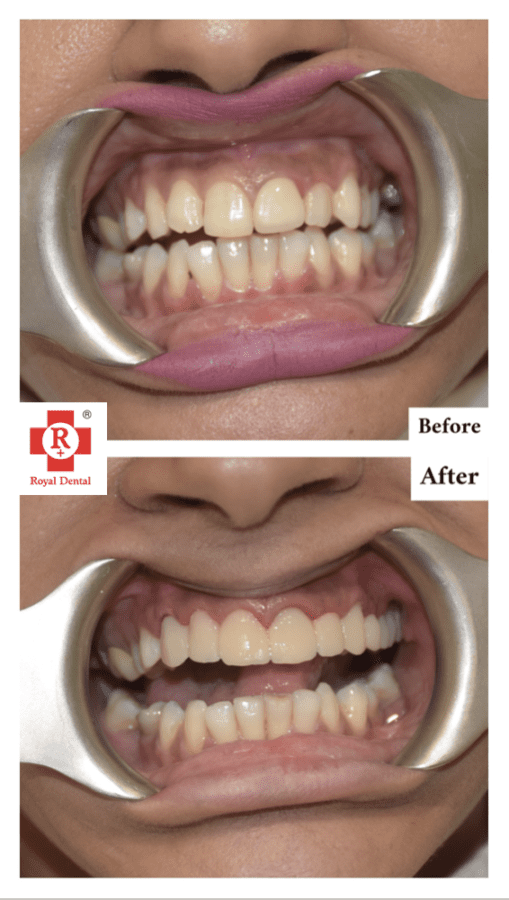
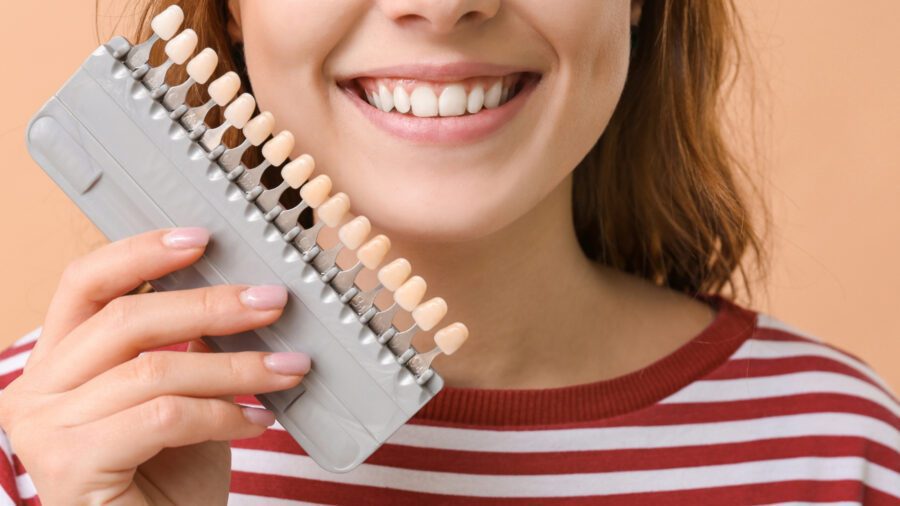
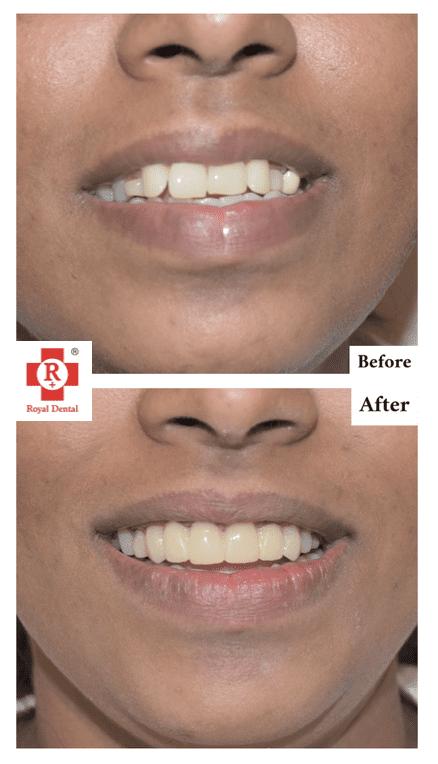
Veneers used to improve the appearance of teeth and enhance your smile. They are mainly designed in different sizes, length, shape and colour. SAPTeeth veneers are designed in advanced polymers are light in weight known as SAPTeeth. The light reflection properties restored with SAPT.HIPC veneers acts almost like natural teeth/tooth. Veneers can be directly bonded to the teeth with composites. They are thin customised shells of tooth coloured material which fit over the front surface of the teeth. They designed in different sizes, shape, length and colour.
Who is this article for?
This article is for patients who are unhappy with the colour, shape, size, spacing, or minor irregularity of their front teeth and are considering veneers for smile correction. It is especially useful for people with stained teeth, small teeth, chipped edges, gaps, worn teeth, old discoloured fillings, mild crowding, or teeth that do not look symmetrical in photographs. Veneers may be a good cosmetic option for selected patients, but they are not suitable for every mouth; cavities, gum disease, severe bite problems, active grinding, or weak tooth structure should be evaluated before treatment.
Veneers are cosmetic, but the diagnosis must be clinical
Veneers are mainly used to improve the visible front surface of teeth, but the decision should not be based only on shade selection or smile appearance. A dentist must check enamel thickness, gum health, bite, tooth vitality, existing fillings, sensitivity, grinding habits, and the patient’s smile expectations before planning veneers. If there is decay, gum disease, infection, or poor oral hygiene, those problems should be treated first. A beautiful veneer placed on an unhealthy tooth or unstable bite may not give a predictable long-term result.
Veneers vs bonding vs crowns: What is the difference?
Veneers usually cover the front surface of the tooth for cosmetic improvement, while bonding is a more direct chairside option used for smaller corrections like minor chips, gaps, or shape changes. Crowns cover the entire tooth and are usually advised when the tooth needs more strength, protection, or has larger damage. For a patient, the right choice depends on how much tooth structure is present, whether the tooth is root canal treated, how much colour correction is needed, and how strong the bite is. Veneers are not automatically better than bonding or crowns; the best option is the one that preserves tooth structure while solving the patient’s actual problem.
When veneers may not be the right choice?
Veneers may not be ideal if the patient has untreated cavities, bleeding gums, very poor oral hygiene, severe teeth grinding, edge-to-edge bite, very little enamel, highly mobile teeth, or unrealistic expectations of a “perfect” smile without maintenance. In such cases, the dentist may first recommend cleaning, gum treatment, night guard, orthodontics, whitening, bonding, crowns, or bite correction before veneers. This does not mean veneers are unsafe; it means cosmetic treatment should be planned only after the foundation is healthy and stable.
What patients should ask before confirming veneers?
Before choosing veneers, patients should ask whether tooth preparation is required, how many teeth need treatment, what material is being used, whether a mock-up or trial smile is possible, how the final shade will be selected, and what maintenance will be needed. They should also understand whether the veneer can be repaired, replaced, or upgraded later. Since some veneer procedures involve enamel preparation and may not be fully reversible, the decision should be made after clinical evaluation, photographs, scans, bite assessment, and clear discussion of alternatives.
Caring for veneers after treatment?
Veneers need the same discipline as natural teeth: brushing twice daily, cleaning between teeth, regular dental check-ups, and avoiding habits like biting nails, chewing ice, opening packets with teeth, or biting very hard foods from the front teeth. Patients who grind their teeth may need a night guard to protect the veneers. Tea, coffee, tobacco, coloured foods, and poor oral hygiene can still affect the smile over time, especially around margins and natural teeth. Good maintenance helps veneers remain comfortable, clean, and natural-looking for longer.
Use of Veneers for Cosmetic Correction
They widely used with minimal tooth preparation or no tooth preparation. Minimal tooth preparation done when the teeth mal aligned, of irregular shape or uneven. Certain teeth that have craters or slightly bulges out of occlusion can be minimally prepared by proximal or buccal stripping. These teeth can corrected to natural form by placing veneers thus restoring the aesthetic form and function of the teeth. Minimal preparation further reduces tooth loss maintaining the healthy tooth structure integrity. Only enamel reshaping done without harming the pulp or dentin thus the tooth remains vital.
Preparing Dental Veneers
Direct veneer with no tooth preparation can done directly on worn out teeth, discolored teeth with previous root canal treatment, teeth stained with drugs such as tetracycline or with excessive fluoride. Broken or dislodged previous fillings in a tooth can repaired with direct veneer. Direct veneer also can placed in case of spacing or diastema cases closes gap between teeth.
Dental veneer bonded permanently to the tooth surface. The bonding done with various materials such as light cure bonding agents and resin based cements. Veneer well tolerated by the gum tissue and are stain resistant. Thus, veneers acts as conservative channel as compared to a full crown preparation giving a stronger and aesthetic approach. Clinical visits also lessened.
Dentist take on Smile Treatment
Veneers can correct several different issues, so if one of these applies to you, you might want to ask your dentist if veneers are right for you. Discolouration may occur from eating or drinking acidic foods and beverages such as coffee, lemons, wine, and nicotine. Veneers can help by making your teeth an all natural pearly white. If you have chipped or broken teeth, and give you back a beautiful smile. Also, if you are one of those people that is prone to grinding your teeth, it can help reshape them as well. If there are gaps in your teeth, they can contribute to filling those for a more wholesome smile.
Advantages of Smile Treatment
- Provides a natural tooth color
- It makes dark teeth give the appearance of being whiter
- They can change the shape and color of your teeth in a short time
- Just as sharp as healthy teeth so you can eat what you’re used to
- Fills in gaps in teeth to make a more finely shaped smile
Disadvantages
- Getting veneers is irreversible
- Veneers are not repairable if you chip or break them; you will have to get an entirely new replacement
- Once veneers have been placed, you can not change the color
- Your teeth will still age even with the veneers, so you need regular check-ups to make sure they still fit
Conclusion
To restore a healthy, beautiful smile, you may not want to spend months undergoing multiple lengthy treatments through multiple visits. What if you could get the results you want in just one day? Now you can at Royal Dental Clinics. Cosmetic Dentistry includes teeth whitening, composite holding, porcelain, composite polishes, dental inserts, tooth reshaping and contouring.Although we all know that cosmetic dentistry is not a known claim to fame under the dental calling, it requires the profound review and preparing to execute dental restorative methodology to meet the required standard
FAQs
Are veneers painful?
Veneer treatment is usually not painful, especially when minimal or no tooth preparation is required. Some patients may feel temporary sensitivity if enamel reshaping is done or if the teeth were already sensitive before treatment. The dentist may use local anaesthesia when needed. If there is pain, deep decay, gum infection, or bite-related discomfort, that issue should be diagnosed before starting cosmetic veneer treatment.
How do I know if veneers are better than teeth whitening?
Teeth whitening is usually considered when the main concern is tooth colour and the tooth shape is already acceptable. Veneers may be considered when the patient wants to change not only colour, but also shape, size, length, spacing, minor irregularity, or old visible restorations. If stains are deep, internal, patchy, or not responding to whitening, veneers may give a more predictable cosmetic result. A dentist can guide the choice after checking enamel, shade, smile line, and bite.