
In 2026, AI guide to Dental Restoration dentistry is no longer about filling cavities or placing crowns. It’s about seamlessly combining digital intelligence with advanced manufacturing and patient-centric design. At Royal Dental Clinics in Mumbai, this evolution has not only been anticipated but also implemented. From AI-powered treatment plans to in-house CAD/CAM milling of restorations, this clinic redefines the meaning of precision in modern dentistry.
Why does precision matter more than ever?
Gone are the days of “good enough” dentistry. Today’s patients expect less downtime, fewer visits, minimal discomfort, and highly aesthetic, durable results. Precision means: knowing where to place an implant, designing a crown that fits in hours, and providing a smile that is both functional and natural. These expectations are especially realistic for international patients, busy professionals or anyone wanting high-end results with minimal disruption. More than 40 years of heritage of innovation underpins the 2026 vision at the Royal Dental Clinics.

Digital workflow that powers precision
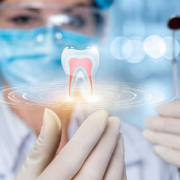
The first step is data. Intra-oral scans, CBCT (3-D cone-beam) imaging, digital photographs—all fed into a planning system. Royal’s website highlights its use of in-house 3D imaging and digital workflows. With the captured data, AI algorithms help identify optimal implant position, bone quality, nerve pathways and aesthetic smile parameters (tooth shape, alignment, gum contours). This means fewer surprises, more predictability and a customized plan before treatment begins.
Virtual Smile Design & Simulation
After capturing the anatomy, the team can virtually design the smile: how the teeth, gums and facial symmetry align. This digital preview helps patients visualize the results and gives the dentist an accurate roadmap. According to Royal Dental’s laboratory page, their workflow takes advantage of fully digital processing for restorations.
3-D printed surgical guides and milling remnants
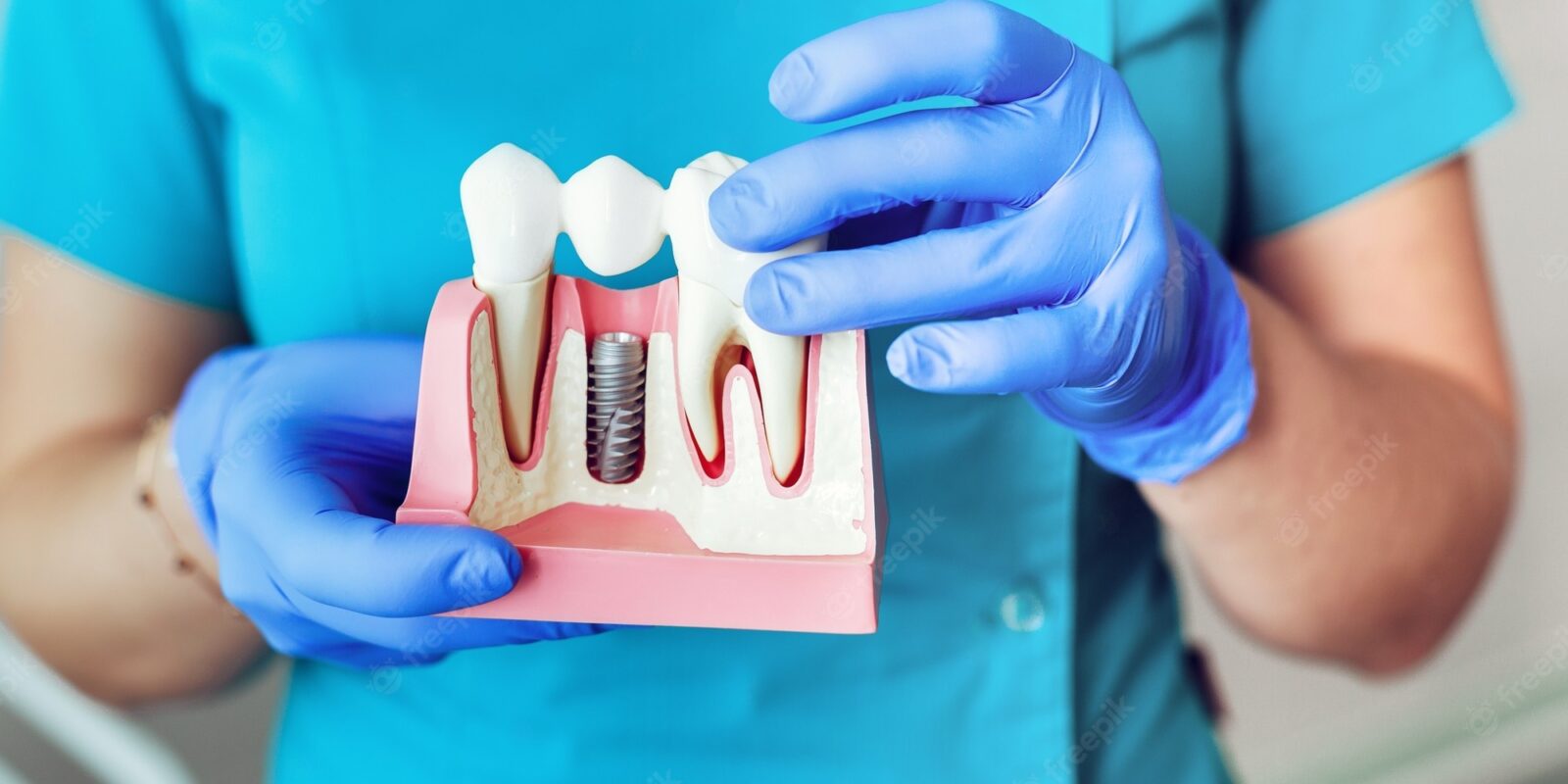
Once the plan is finalized, it is translated into physical guides: surgical guides for implant placement, models for prosthetics, and milled or printed restorations. Royal Dental’s laboratory describes monolithic zirconia crowns that are milled in-house and processed at high temperatures for durability. Thanks to in-house manufacturing, errors are reduced, turnaround is much faster, and patient outcomes are more reliable.
In-house CAD/CAM Milling and Polymer Innovation
Traditional dentistry often requires sending impressions to outside laboratories, waiting days or weeks. At Royal, the in-house lab produces high precision prostheses with advanced materials such as SAPTeeth™ – a high performance polymer series designed to absorb shock and work in weak bone scenarios. Advantages: Faster delivery, more efficient fit. and material options that enhance longevity.

How Royal is ahead in 2026 Dental Restoration?
A. One-day or one-day change
A hallmark of the Royal Dental Clinic is their “Treatment in a Day” model: consultation, scanning, planning and restoration often in a single visit. Their website proclaims “healing in one day” as a prime offering.
In a world where time is limited, especially for international travelers or busy professionals, this is a game-changer. Therefore, precision is not just about efficacy – it is about speed without compromise.
B. Material Innovation: Shock-Absorbing Polymer
Precision is also about physics. Royal’s adoption of SAPTeeth™ shows how choosing the right material contributes to long-term success: polymers that place much less stress on the bone than traditional crowns (24 to 149 times less) and which are repairable in the mouth.
This opens the door to patients with damaged bone, bruxism, or patients seeking stability with minimal invasiveness.
C. Patient-centric, technology-driven experience
Technology alone is not enough – it must be integrated with patient comfort, trust and outcomes. Royal Dental emphasizes that each procedure is designed to suit the patient’s lifestyle, travel schedule, and comfort level. Their patient-first philosophy ensures that the precise workflow doesn’t feel cold or rushed.
For example: showing scans, walking patients through digital plans, transparent discussions – these all contribute to confidence and satisfaction.
D. Global standards, local distribution
Despite being based in Mumbai, Royal Dental Clinic makes precision dentistry accessible to international patients. The ability to handle high-tech workflows in-house, accomplish more work in a day, and deliver global-scale results means they can compete internationally. Their feature in an Industry Outlook article celebrating 43 years emphasizes this global position.
What does this mean for patients in 2026?
- Shorter treatment times, fewer visits: Thanks to digital workflows and in-house milling, patients can spend less time in the chair and less time traveling.
- Better Fit, Fewer Adjustments: Precise design means restorations fit more precisely, reducing remakes or longer follow-ups.
- High Durability and Function: With materials such as SAPTeeth and milled zirconia crowns, restorations are built to perform.
- Predictable aesthetic results: Virtual smile design ensures that the patient gets exactly what they envision – an important aspect of patient satisfaction.
- Transparent process and trust: Patients can see their scans, understand the digital plan, and feel part of the process – not passive recipients.
- Accessible high-level care: A practice that once required multiple visits and cross-border travel can now be achieved, often in the same area, because of in-house technology and streamlined workflows.
Real-world example: workflow for dental restoration
- Imagine a busy executive flying in for dental treatment:
- Online Pre-Consultation: Digital records and scans collected in advance.
- Day of Visit: Arrive at the Royal Dental Clinic. Intra-oral scanners and CBCT capture data in minutes.
- AI-assisted planning: Dentist and digital team finalize implant positioning, restoration design, smile alignment.
- Guide and Restoration Fabrication: In-house lab mills crowns/bridges, prints surgical guides.
- Treatment Execution: Guide placed, implant inserted, immediate provisional crown placed.
- Final Restoration: Same day or next day fixed restoration combined.
- Follow-up planning: Digital records stored, patient after-care instructions and remote monitoring setup.
Conclusion
Today, precision dentistry means much more than drills and fills. This means AI-guided planning, virtual design, 3-D milled restorations, advanced materials and patient-centered workflows – all translating into practical, real-world treatments. At Royal Dental Clinic, Mumbai, this whole stack of precision is being delivered in 2025: faster, more accurate, more reliable and with fewer visits.
Medical Disclaimer
This article is for patient education only. Dental treatment should be planned after clinical examination, medical history review, and X-rays or scans where required. Treatment suitability, cost, timeline, healing, and results vary from patient to patient.