

Good dental health depends on more than regular brushing and flossing. A balanced diet plays a crucial role in maintaining healthy teeth, gums, and supporting bone. Nutrient-rich foods provide essential vitamins and minerals that strengthen tooth enamel, promote healthy gums, and help reduce the risk of tooth decay and gum disease. Combining good nutrition with proper oral hygiene is one of the most effective ways to maintain a healthy smile for life.
Who Is This Article For?
- Individuals looking to improve their oral health through nutrition.
- Parents encouraging healthy eating habits for children.
- Patients at higher risk of tooth decay or gum disease.
- People with diabetes or osteoporosis concerned about oral health.
- Anyone interested in maintaining healthy teeth and gums.
How Diet Influences Good Dental Health
The foods and beverages you consume every day have a direct impact on your oral health. Frequent consumption of sugary or acidic foods increases the risk of tooth decay and enamel erosion, while a balanced diet rich in calcium, phosphorus, vitamins, and fibre supports stronger teeth and healthier gums. Dentists evaluate oral health through a comprehensive clinical examination rather than making assumptions about a person’s personality, education, or background.
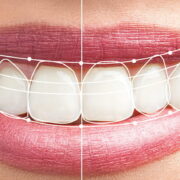
What Teeth can tell about a person?
- Sex, Personality, Age: Young patients show unworn incisal edge , defined incisal embrasures, low chroma and high value . Aged teeth are shorter minimal incisal embrasure, high chroma , low value, less smile display . Females have rounded , smooth, soft, delicate teeth . Males have cuboidal, hard , vigorous teeth.
- Lifestyle: Patients who maintain teeth well usually come from an educated background and are aware of dental issues related to oral hygiene maintenance. Whereas patients coming from low socio economic background require more counselling and awareness regarding oral hygiene.
- Diet– Diet plays a major role keeping teeth healthy. The food items that we eat and how often we eat them can affect our general health as well as health of our teeth and gums too.
How General Health Affects Oral Health
Many medical conditions can influence oral health. Diabetes, osteoporosis, acid reflux, and certain medications may increase the risk of gum disease, dry mouth, tooth wear, or delayed healing. Regular dental examinations and communication between your dentist and physician help ensure comprehensive care and early management of these conditions.
Choices of food for good dental health:
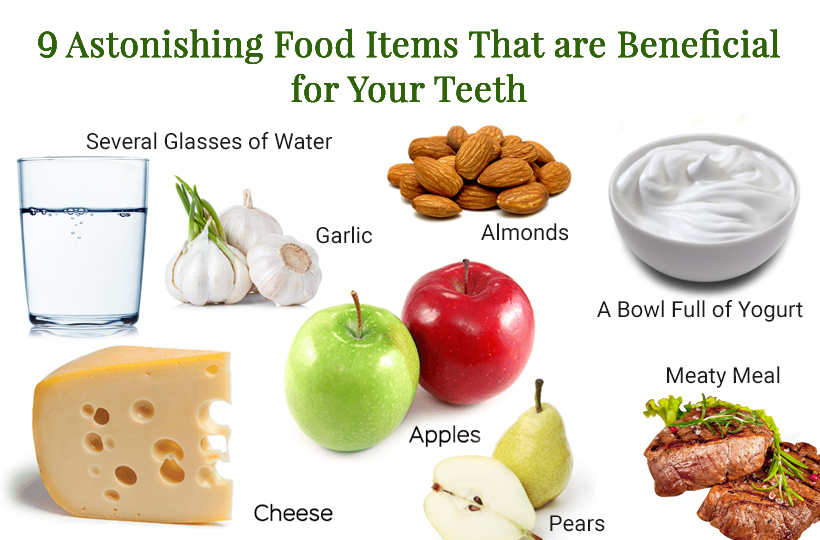
- Fibre rich fruits and vegetables: They help to keep your teeth and gums clean. They stimulate the salivary flow activating the natural defence mechanisms against cavities and gum disease. Saliva contains traces of calcium and phosphate thereby restoring minerals to the surface of the teeth lost due to bacterial attack.
- Cheese, milk, plain yogurt and other dairy products: Cheese also stimulates the salivary flow . The calcium in the cheese and calcium and phosphates in milk and other dairy products helps to restore the mineral content of the teeth.
- Green and black tea: They contain polyphenols that either kill or hold back bacteria . Thus bacteria are not able to produce acids that attack teeth.
- Sugarless chewing gums: This stimulates saliva thereby cleansing the oral cavity.
- Foods with fluoride: Fluoride is a mineral that helps strengthen the teeth. It helps to prevent cavities. Sources of fluoride- poultry product ,sea food, powdered cereals,powdered juices without sugar,dehydrated soups.
Foods that may be harmful for oral health:
- Sticky candies and sweet, caramel, chocolates, lollipop: These food contribute to tooth decay as they accumulate in the tooth’s pit and fissure, tooth crevice which are difficult to clean.
- Starchy food: Soft breads, potato chips can stuck in between your teeth providing a nidus for bacterial growth and spread.
- Carbonated soft drinks: These contain loads of sugar, phosphoric, citric acid. Acids dimineralize tooth enamel . demineralized enamel are prone to fracture leading to sensitivity and further loss of tooth structure.
- Ethnicity: Some dental features are predominant in one of the racial groups which help in the racial identification process. E.g: African race have larger tooth size than those of European race.
- Skin colour: Usually fair people have yellowish teeth and dark people show pearly white teeth. Gender, ethinicity and age also affect the tooth colour. With age the enamel layer wears off exposing the yellow dentin underneath.
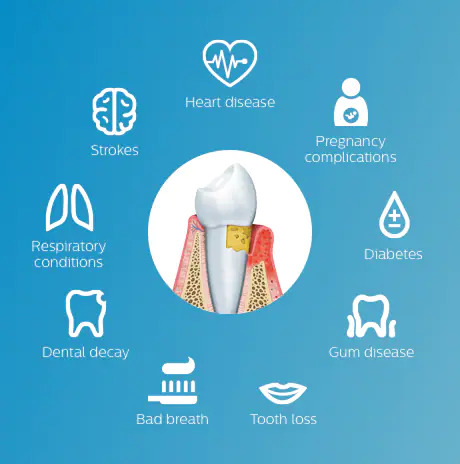
- General Health: General and dental health are interrelated . Oral health is essential to general health and well being at every stage of life. Oral health which forms a major fraction of general health has its impact on physical and mental status thus affecting quality of life of patients.
Co-relation of General Health and Oral Health
Diabetes: diabetic patients show poor periodontal status. It takes a troll on teeth, underlying bone and gums. Diabetic patients present increased bone loss leading to tooth mobility and eventual tooth loss. Healing is hampered leading to delayed wound healing. Due to uncontrolled sugar levels ulcerations are frequently seen in diabetic patients.
Heart: Patients with gum conditions such as periodontitis have the highest risk for heart disease. The pathogens associated with gum infection are in the mouth and can enter the blood stream where they get attached to the blood vessels and thus increase the risk of cardiovascular disease.

GI disorders: Due to increase in acidic levels there are erosions and cervical abrasion on teeth causing teeth sensitivity. In turn if there are missing or malaligned teeth chewing efficacy is hampered leading to digestive problems.
Osteoporosis: there is a link between loss of alveolar bone and increase in tooth mobility and tooth loss. Women with osteoporosis are three times more likely to experience tooth loss than those who do not have the disease. Getting right amount of calcium in the diet and recommended amounts of vitamin D as a supplement are important for both the bones as well as oral health.
Mental health: patients with mental issue show poor oral health . These patients present with a variety of underlying causes such as poor muscular coordination and brain activity. Anti anxiety drugs for mental issues also affect teeth health.
Habits that are a sign of Good Oral Health
- Brushing technique: Brushing vigorously tends to abrade outer layer of the teeth leading to abrasions causing tooth sensitivity and brittle teeth.
- Grinding and clenching : Nocturnal grinding of teeth commonly known as bruxism is an unconscious grinding of upper and lower teeth during sleep. This will lead to chipping of natural teeth or prosthesis or fracture. Severe cases will lead to TMJ disorders.
- Nail biting: In tense situations people accidentally or unknowingly tend to bite their finger nails. This will lead to chipping of their front teeth.
- Using teeth as a tool: This is an instant and quick action carried out by most of the leading to wear of teeth .
- Smoking and tobacco: Smokers present with increased periodontal break down and skin conditions like smokers palate, leukoplakia, OSMF.
Conclusion
Maintaining good dental health requires a combination of healthy eating habits, proper oral hygiene, and regular dental check-ups. Choosing nutrient-rich foods, limiting sugary snacks and drinks, and addressing dental problems early can help protect your teeth and gums for years to come. Small daily lifestyle changes can make a significant difference in maintaining a healthy smile.
FAQs
Which foods are best for healthy teeth?
Foods rich in calcium, phosphorus, fibre, and vitamins—such as dairy products, leafy vegetables, fruits, and nuts—support healthy teeth and gums.
Can diet affect tooth decay?
Yes. Frequent consumption of sugary or acidic foods increases the risk of tooth decay and enamel erosion.
Is chewing sugar-free gum good for teeth?
Sugar-free chewing gum may help stimulate saliva production, which supports the mouth’s natural defence against tooth decay.
How does diabetes affect oral health?
Poorly controlled diabetes increases the risk of gum disease, delayed healing, dry mouth, and oral infections.
How often should I visit the dentist?
Most people benefit from a dental examination every six months, although your dentist may recommend a different schedule based on your oral health.
Medical Disclaimer
This article is for patient education only. Dental treatment should be planned after clinical examination, medical history review, and X-rays or scans where required. Treatment suitability, cost, timeline, healing, and results vary from patient to patient.