

Oral infections such as tooth decay, gum disease and dental abscesses usually develop when harmful bacteria accumulate around the teeth and gums. Regular brushing with fluoride toothpaste, cleaning between the teeth, a balanced diet and timely dental check-ups remain the most reliable ways to protect your oral health. Traditional Ayurvedic practices such as tongue cleaning, oil pulling and the use of certain herbal oral-care products may support a person’s daily hygiene routine. However, scientific evidence for many Ayurvedic remedies remains limited, and these practices should not replace conventional dental care.
It is also important to understand that an established dental infection cannot usually be cured through home remedies alone. Persistent toothache, gum swelling, pus, bleeding gums, facial swelling or fever requires professional assessment. In this article, we examine commonly used Ayurvedic practices for oral health, their possible benefits and limitations, and how they may be used safely alongside evidence-based dental care.
Ayurveda’s approach to Oral Infections and Health
The ancient Indian system of medicine Ayurveda recognizes the deep relationship between dental health and total wellness. According to Ayurvedic principles, oral health is not just about maintaining a beautiful smile; it is about achieving a state of balance and harmony within the body.
In Ayurveda, the mouth is considered the gateway to the body, where vital energy and nutrients enter. It is believed that imbalances in the body’s three doshas, Vata, Pitta, and Kapha, can manifest as oral health issues. Each dosha represents different qualities and functions within the body, and an imbalance in any of them can contribute to oral infections and diseases.
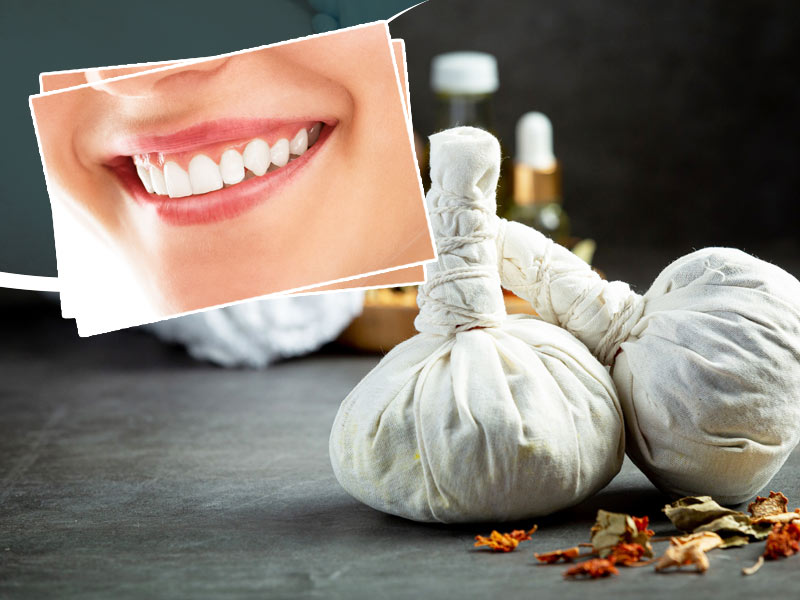
To achieve optimal oral health, Ayurveda emphasizes balancing these doshas. This involves identifying the individual’s unique constitution or doshic makeup and addressing any imbalances through lifestyle adjustments, dietary changes, herbal remedies, and specific oral care practices.
Ayurvedic oral care focuses not only on treating symptoms but also on preventing oral infections from occurring in the first place. It recognizes that maintaining a healthy oral environment is essential for overall wellness. By adopting Ayurvedic practices, individuals can create an environment in which harmful bacteria are kept in check, the gums are strengthened, and the teeth remain healthy and vibrant.
In the next sections, we will explore specific Ayurvedic practices and remedies that can be incorporated into your daily oral hygiene routine to prevent oral infections and promote optimal oral health.
Daily Routine
Oil Pulling: Ayurvedic morning oil drawing. To reach all areas, swish a teaspoon of organic sesame or coconut oil for 10-15 minutes. Swishing eliminates toxins, harmful microorganisms, and plaque. Rinse the oil out. Oil pulling cleans teeth, strengthens gums, and eliminates plaque.
Gentle Tongue Cleaning: Using a tongue scraper or the back of a spoon, gently scrape your tongue from back to front. This helps remove bacteria, toxins, and debris that can accumulate on the tongue’s surface. Ayurveda considers the tongue to be a reflection of the digestive system, and by keeping it clean, you promote better digestion and prevent oral health issues.
Brushing with Herbal Toothpaste: Neem, licorice, and Triphala make wonderful herbal toothpaste. Antibacterial and anti-inflammatory herbs battle gum disease, cavities, and oral hygiene. Circularly brush all teeth and gums. Soft-bristled toothbrushes protect gums.
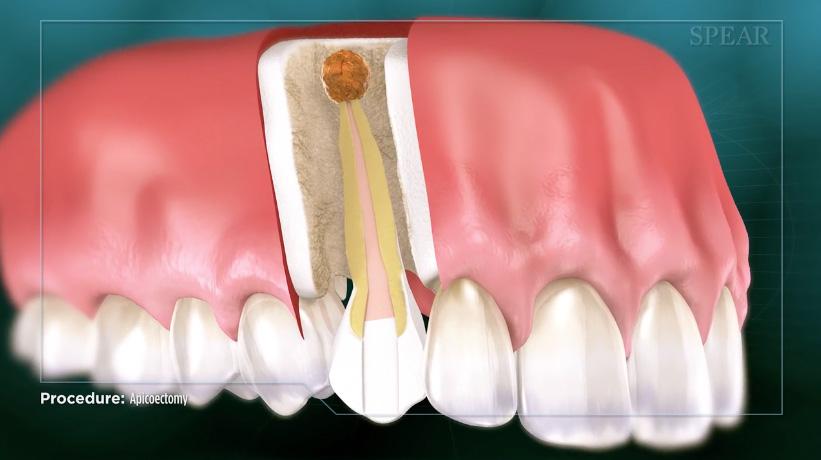
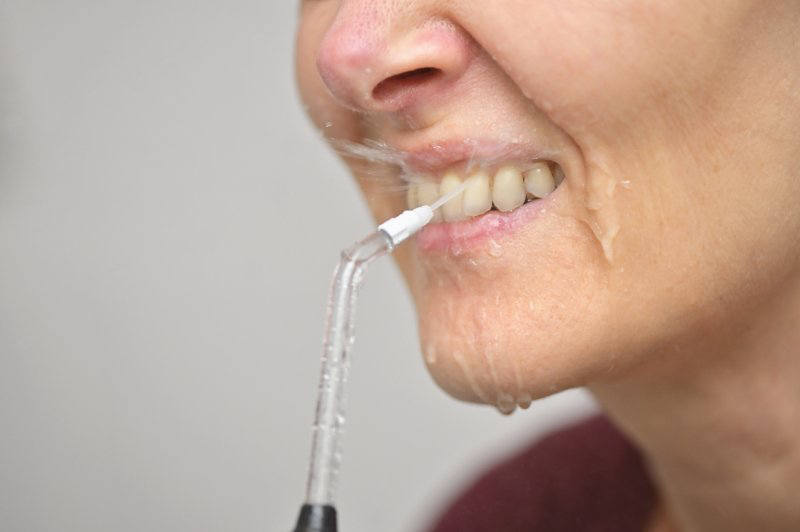
Let’s explore some key practices that you can incorporate into your daily routine:
Mouthwash with Herbal Rinse: Use a herbal or homemade mouthwash after brushing. Boiling water with cloves, neem leaves, or cinnamon sticks and letting it cool makes a mouthwash. Antimicrobial herbal rinses decrease oral bacteria and refresh breath naturally.
Flossing: Flossing removes food and plaque from teeth and gums. Ayurveda suggests wax-free silk or cotton dental floss. To remove plaque and debris, gently slide the floss between your teeth in a C-shape.
Gum Massage: Herbal oil massages increase blood circulation, gum strength, and dental health. Circularly massage your gums with clean fingertips or a gentle toothbrush. Herbal tooth powders and gum-healthy toothpaste are also available.
Herbal Remedies for Dental Health
Ayurveda offers a wide range of herbal remedies that can effectively promote dental health and prevent oral infections. These natural ingredients have been used for centuries and are known for their antimicrobial, anti-inflammatory, and healing properties.
Let’s explore some of the key herbal remedies recommended in Ayurveda for maintaining optimal oral health:
Neem (Azadirachta indica): Ayurvedic medicine values the “wonder tree” neem for its antibacterial, antifungal, and antiviral capabilities. Due of its cleansing and gum-strengthening properties, neem twigs have been employed as toothbrushes. Neem-extracted toothpaste and mouthwashes are commonly available. Neem-based products fight gum disease, plaque, and cavities.
Triphala: Triphala contains Amalaki, Bibhitaki, and Haritaki. Antioxidant and anti-inflammatory. Ayurvedic Triphala reduces inflammation, strengthens gums, and prevents oral infections. Mix Triphala powder with water for toothpaste or gum massage.

Clove (Syzygium aromaticum): Clove’s analgesic and antibacterial characteristics have been used for generations to treat toothaches and mouth infections. Apply clove oil or powder directly to the afflicted region to relieve dental pain and inflammation. Clove oil in warm water makes a pleasant mouth rinse.
Licorice (Glycyrrhiza glabra): Antimicrobial and anti-inflammatory licorice root helps improve dental health. It reduces plaque, gum irritation, and oral infections. Herbal toothpaste and DIY mouthwashes use licorice root extract or powder.
Turmeric (Curcuma longa): Antimicrobial and anti-inflammatory turmeric. It helps prevent plaque, gum irritation, and oral health. Turmeric powder mixed with water or coconut oil may be applied on gums. Turmeric may discolor teeth if overused.
Babool (Acacia arabica): Ayurveda uses Indian gum tree (babool) for its antibacterial and astringent qualities. Toothpaste and mouthwash include babool bark. It fights bacteria and strengthens gums.
Diet & Nutrition for Oral Health
Eat a Balanced Diet: Ayurveda recommends a varied, unrefined diet. Eat fresh produce, whole grains, lean proteins, and healthy fats. A balanced diet supplies nutrition for teeth and gums.
Vitamin C-Rich Foods: Vitamin C-rich foods including citrus, berries, kiwi, and leafy greens improve dental health. Vitamin C strengthens gum blood vessels and connective tissues, preventing gum disease.
Calcium-Rich Foods: Calcium strengthens bones and teeth. Eat calcium-rich dairy, leafy greens, almonds, and sesame seeds. These foods protect your teeth.
Crunchy Fruits and Vegetables: Apples, carrots, celery, and cucumbers make great toothbrushes. Their hard texture cleans teeth by increasing saliva production.


Avoid Excessive Sugary and Acidic Foods: Sugar and acids cause tooth damage and erosion. Limit sodas, fruit juices, and acidic drinks. Rinse your mouth after eating sweet or acidic meals to reduce tooth exposure.
Hydration: Maintain saliva production by drinking water throughout the day. Saliva cleans teeth, neutralizes acids, and prevents cavities. Hydration also maintains oral moisture and general wellness.
Herbal Teas: Drink herbal teas including green, chamomile, and licorice root. These teas relieve oral irritation with natural antibacterial qualities.
Avoid Smoking and Tobacco Products: Smoking causes gum disease, tooth discolouration, and oral cancer. Maintaining dental health requires quitting smoking or avoiding tobacco products.
Stress Management and Oral Health
Stress management plays a significant role in maintaining good dental health. Chronic stress can lead to various oral health issues such as teeth grinding, jaw clenching, gum disease, and canker sores. When we are stressed, our bodies produce higher levels of cortisol, a hormone that can weaken the immune system and impair the body’s ability to fight off infections, including oral infections. Therefore, it is essential to prioritize stress management techniques such as meditation, deep breathing exercises, regular physical activity, and finding healthy outlets for stress. By managing stress effectively, we can promote a healthier oral environment and reduce the risk of oral health problems associated with chronic stress.
Ayurvedic Dental Treatments
Ayurveda offers a range of holistic dental treatments that aim to address oral health issues and promote overall well-being. These treatments focus on balancing the doshas, strengthening the gums, and supporting optimal oral health. Here are a few Ayurvedic dental treatments commonly used:
Herbal Oil Massage (Gandusha): Gandusha includes mouthing herbal oils or decoctions for a certain time. This therapy detoxifies, nourishes, strengthens gums, and prevents dental disorders. Gandusha often uses sesame oil or Triphala.
Herbal Gum Packs (Dantadhavana): Dantadhavana uses herbal gum packs or pastes. These packets include neem, licorice, and babool. Antimicrobial and anti-inflammatory qualities soothe gums and enhance gum health.
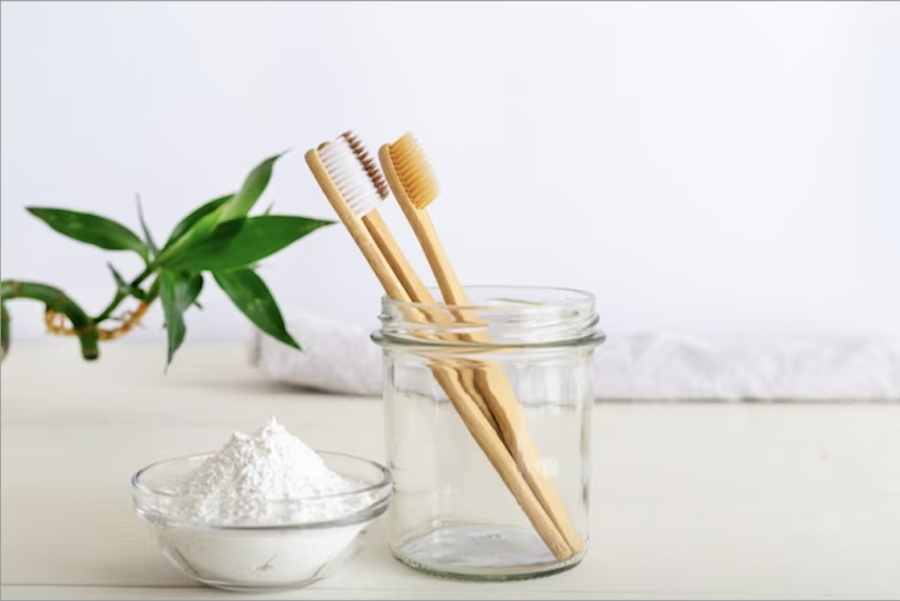
Herbal Mouth Rinse (Kavala/Gandusha): Kavala or Gandusha includes mouth washing with herbal oils or decoctions. This reduces bacteria, toxins, and oral hygiene. Kavala therapy includes oil pulling.
Herbal Tooth Powders and Pastes: Neem, clove, cinnamon, and Triphala are used in Ayurvedic teeth powders and pastes. These products clean, fortify, and prevent oral infections. They may replace or complement toothpaste.
Ayurvedic Diet and Lifestyle Recommendations: Diet and lifestyle advice accompany ayurvedic dental treatments. These may include a balanced diet, using certain herbs and spices, and good mouth hygiene. Ayurveda stresses a comprehensive approach to dental health that considers both treatment and general well-being.
Conclusion
Ayurveda offers several traditional practices that may complement a regular oral-hygiene routine. Gentle tongue cleaning, adequate hydration, a balanced diet and the careful use of suitable herbal oral-care products may help some people maintain a cleaner and more comfortable mouth. However, preventing oral infections still depends primarily on brushing twice daily with fluoride toothpaste, cleaning between the teeth, limiting frequent sugar intake and attending regular dental examinations. Oil pulling, herbal rinses and home remedies cannot remove hardened tartar, repair a cavity or treat an infection inside a tooth or the surrounding bone.
If you experience persistent pain, swelling, pus, bleeding gums, bad breath or tooth mobility, consult a dentist instead of relying on home treatment. A dentist can identify the cause and advise whether you require professional cleaning, a filling, root-canal treatment, gum treatment or another procedure. Ayurvedic practices are best considered supportive measures used carefully alongside professional dental care, rather than substitutes for diagnosis and treatment.
Frequently Asked Questions
1. Can Ayurveda prevent oral infections?
Some Ayurvedic practices may support oral cleanliness, but they cannot guarantee protection from tooth decay, gum disease or dental abscesses. Brushing with fluoride toothpaste, cleaning between the teeth, controlling sugar intake and regular dental examinations remain essential.
2. Can oil pulling remove bacteria and plaque?
Oil pulling may temporarily reduce some bacteria and improve the feeling of oral freshness. However, it cannot replace brushing, interdental cleaning or professional scaling. It also cannot remove hardened tartar or treat an existing dental infection.
3. Can an infected tooth be treated with Ayurvedic remedies?
No home remedy can reliably remove infection from inside a tooth. An infected tooth may require root-canal treatment, drainage or extraction after a dental examination. Delaying professional treatment can allow the infection to spread.
4. Is it safe to apply clove oil directly to a painful tooth?
Concentrated clove oil may irritate or burn the gums and other soft tissues. Avoid applying undiluted clove oil directly inside the mouth. Toothache should be evaluated by a dentist because temporary pain relief does not treat the underlying cause.
5. Can herbal toothpaste replace fluoride toothpaste?
Not every herbal toothpaste contains fluoride. Fluoride helps strengthen enamel and prevent cavities. Check the product label and ask your dentist before replacing a fluoride toothpaste, especially if you have a history of tooth decay.
6. Can turmeric, neem or Triphala cure gum disease?
These ingredients have traditionally been used for oral care, and some may have antimicrobial or anti-inflammatory properties. However, they cannot remove tartar below the gum line or replace professional gum treatment. Bleeding or swollen gums should be examined by a dentist.
7. Are homemade herbal mouth rinses safe?
The safety of a homemade rinse depends on its ingredients and concentration. Strong oils, spices or acidic preparations can irritate oral tissues. A rinse should not be swallowed and should not replace brushing or dental treatment.
8. When should I see a dentist for an oral infection?
Arrange a dental consultation if pain, bleeding, swelling, pus, bad breath or sensitivity persists. Seek urgent care for facial swelling, fever, difficulty swallowing, difficulty breathing or an inability to open the mouth normally.
© All rights reserved by Royal Dental Implants Pvt Ltd
Issued in public interest
Suggested Article:
- Role of Saliva to maintain Oral Health
- Link Between Alcohol and Oral Health
- Can infections in oral cavity cause diseases?
Medical Disclaimer
This article is for patient education only. Dental treatment should be planned after clinical examination, medical history review, and X-rays or scans where required. Treatment suitability, cost, timeline, healing, and results vary from patient to patient.