Dry mouth can have a serious effect on your oral health. Not only can it be challenging and stressful in speech, but it also affects the accuracy of taste for food. Another problem is that if suffering from this condition, the risk of teeth decay and other oral health problems will increase. Fortunately, there are some steps that you can do to reduce the effects of xerostomia on your dental health. In this article, we will explain the reasons and solutions that you can proceed to avoid and control oral health.
What is dry mouth?
xerostomia is a condition under which you do not have enough saliva. Under normal conditions, saliva is secreted from the salivary glands inside your mouth and with your digestive system. This process helps in breaking food, balanced acids and avoiding decay of teeth. However, a low level of saliva can result in many oral health problems, such as tooth decay, gum disease and loss of taste of your food. Dry mouth can affect anyone, but it occurs more frequent between some groups, such as elderly, pregnant women, individuals with certain medical conditions, and who use specific drugs.
Causes of Dry Mouth or Xerostomia
There are many possible causes of xerostomia. A possible cause is Sjogren Syndrome, an autoimmune disease that can affect the salivary glands between all the organs of your body. Another possible cause is radiation therapy, which destroys salivary glands and prevents them from making saliva. Some drugs can also be the cause of xerostomia.
Stress: Stress will give you less frequent saliva and secrete less saliva.
Age: The more we produce age, less saliva our salivary glands. It can be characterized in individuals, particularly within 70, 80 and 90s.
Dry climate: Dry climate, such as experienced within the desert landscape, motivates individuals to produce less saliva.


Certain medications: Some medicines, such as antidepressant, antihistamines and even some forms of antibiotics, some produce less saliva to some individuals.
Illnesses: .Sjogren’s syndrome or diabetes can cause dry mouth.
Diseases: Liver, kidney, or gastrointestinal diseases can all reach dry mouths.
Effects of dry mouth on oral health
A dry mouth can have the most oral health problems, such as tooth decay, gum disease, and less feeling of taste of your food. Decay of teeth is caused by a dry mouth because saliva contains fluoride, which prevents teeth decay. When you produce less saliva, you will be more prone to teeth decay, especially in your premolars and molar.
A dry mouth also puts your gums more danger than the gum disease, as it reduces your ability to retreat dangerous bacteria. Finally, a xerostomia blows the feeling of your taste, which reduces the pleasure of eating.
Dry mouth, or xerostomia, is a condition where the salivary glands in your mouth do not produce enough saliva to moist your mouth. Even though the dry mouth is usually not seen as an initial complaint among elderly patients, it is a popular issue that is often weak.
Tooth decay: This is due to bacteria in the mouth, so it is recommended to brush and floss daily. Dried mouths increase the chances of rotten teeth.
Reduced ability to taste food: You have a total nerve-end in your mouth that serves five basic tastes: salty, sweet, sour, bitter, and Umami (charming). A dry mouth can be a difficult time to make your mouth taste.
Swallowing difficulties: With high level of teeth decay, you can struggle to swallow. This is especially because you have loose teeth.
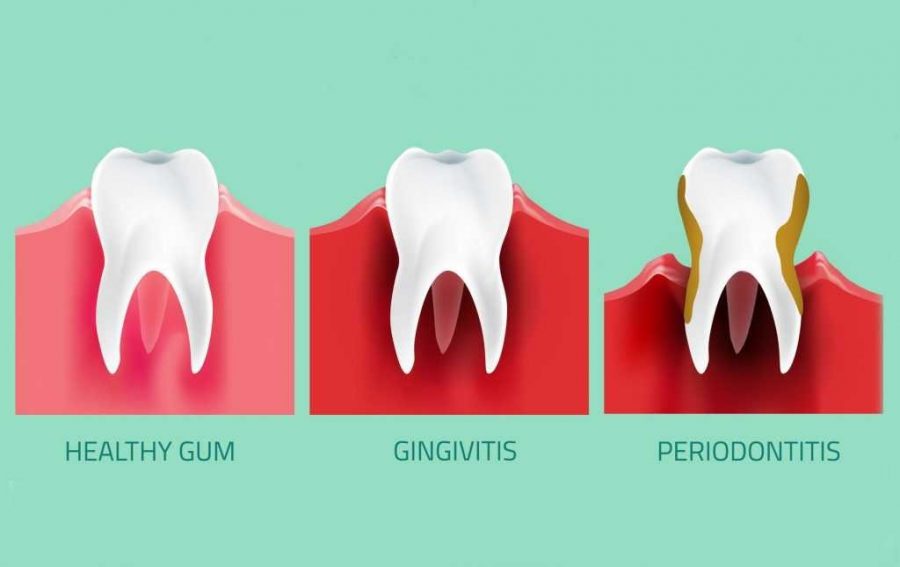
Gum disease: When you have less saliva in your mouth, bacteria can build up and cause gum disease.
Solutions to reduce the effects of dry mouth on oral health
Fortunately, there are some things that you can do to reduce the effect of dry mouth on your oral goodness. First of all, you can talk to your doctor about any medicine that can be responsible for your dry mouth. You can also take some steps that can help promote the amount of saliva in your mouth.
Be mindful of your lifestyle: There are some lifestyle characteristics that can cause dry mouth. If you are worried or live in a dry environment, you should think about reducing those stresses.
Try using a saliva stimulator: You can stimulate saliva with consuming sugar -free glue, drinking water, or specific foods.
Avoid certain foods and beverages: Some foods and drinks can produce less saliva. Staying away from them is a good idea.
Use a fluoride rinse or toothpaste: Fluoride can prevent teeth decay, and it is present in many dental products.
Clean your teeth and gums: Brush and flossing can prevent gum disease and other oral problems.
Conclusion
Dry mouth is a problem that occurs in many individuals, especially as age. Dry mouth can lead to many oral health problems, such as tooth decay, gum disease, and the ability to enjoy food. There are remedies that can be done to reduce the effect of dry mouth on oral health by consuming a lot of water, consuming a healthy diet, and sucking mints to chew sugar-free gum or stimulate saliva. If you already have Xerostomia, you can also take some steps to control it. You can keep yourself hydrated, a healthy diet, and chewing sugar -free gum or mints.
Suggested Article:
- Causes of Xerostomia in Geriatrics
- A Guide to Dental Health Instructions
- Is oral health related to systemic disease?
Medical Disclaimer
This article is for patient education only. Dental treatment should be planned after clinical examination, medical history review, and X-rays or scans where required. Treatment suitability, cost, timeline, healing, and results vary from patient to patient.