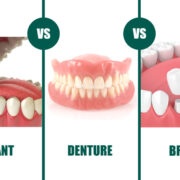


Not every dental procedure is equally complex. Some treatments involve routine restoration, while others require surgery, treatment of multiple structures, advanced imaging, bone reconstruction or management of significant disease. Complicated dental procedures may include complex tooth extractions, dental implant surgery with bone grafting or sinus lifting, periodontal surgery, surgical endodontics and certain oral and maxillofacial procedures. The complexity of treatment depends on the patient’s condition, anatomy, medical history and the skills and facilities required. A thorough examination and appropriate treatment planning help determine the safest and most suitable approach.
Who Is This Article For?
This article is useful for:
- Patients who have been advised to undergo complex dental treatment
- People considering dental implant surgery
- Patients with impacted or difficult-to-remove teeth
- People requiring bone grafting or sinus lift procedures
- Patients with advanced gum disease requiring surgery
- People with complex dental infections or oral conditions
- Patients seeking a second opinion before major dental treatment
What are the most serious dental problems?
The most serious dental problems are cavities and gum disease. Both can cause significant damage to your teeth and can lead to tooth decay and/or loss. Cavities are infections caused by bacteria that eat away at your teeth and can spread to other parts of your body. If a cavity is not treated, it can lead to tooth loss. Similarly, gum disease can lead to tooth loss along with other complications.

Oral cancer is less common, but it is one of the most serious dental problems. If left untreated, oral cancer can spread to other parts of the body, leading to death. Thus maintaining good dental hygiene is important.
Dental Implant Surgery Procedure
They are man-made tooth roots that are surgically placed into the jawbone. Dental implants are used to replace missing teeth and anchor dentures. The surgery for placing dental implants is extremely complicated and often includes bone grafting. Dental implant surgery is only recommended for patients who have healthy bone structures because implants that aren’t secured properly can cause serious damage.
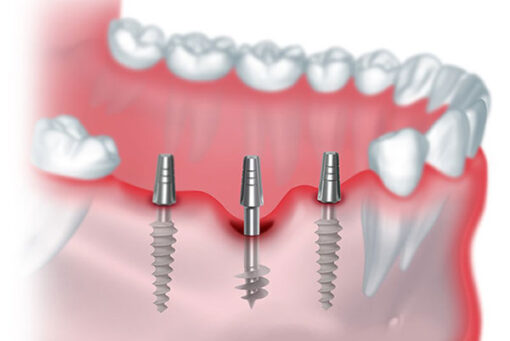
Implants are one of the most complex dental procedures, but this doesn’t mean bad news. The dentist will numb the nerves of the area with local anesthesia during the process. You may feel pressure at times, but it won’t cause pain. Once done, it will be as if you have your new smile, new life back!
Oral Cancer and Dentistry
Oral cancer is one of the most serious and deadly dental problems. It is caused by the abnormal growth of cells in the mouth, which can spread to other parts of your body. Oral cancer can cause bad breath, swelling in the mouth, and pain when eating or drinking. Left untreated, oral cancer can spread to the lymph nodes in your neck and cause death.
Although oral cancer can affect both men and women, it is more common in men. Oral cancer is often difficult to detect because the symptoms can be subtle and easily overlooked. Many dentists recommend getting a regular dental exam to check for oral cancer, especially if you are at a higher risk.
Tooth Extraction Dental procedure
Tooth extraction is the removal of a tooth from its socket, while this may sound a bit harsh, considering the reason may help. Sometimes the tooth that is causing you pain is beyond repair and the best way to relieve it, is to remove it. There are two types of extractions:
Simple Extraction. Performed on teeth that are visible in the mouth. The dentist uses an elevator to loosen the tooth and forceps to remove it.
Surgical Extraction. Performed on teeth that are not easily accessible in the mouth. It typically requires an incision to gain access to the tooth to be removed.
Root Canal Dental Treatment
Root canals are used to treat severely infected teeth. The infection is removed from the tooth and the inside of the tooth is thoroughly cleaned. A modern root canal is usually a two-step process. First, the dentist removes the infection and replaces it with a disinfectant called antibiotics. The tooth is then filled with bone graft material and sealed. After the root canal is finished, the tooth is often permanently damaged. Even with root canals, not all teeth can be saved. In an extremely small percentage of patients, the surrounding nerves around the affected tooth can be disrupted by the root canal procedure. In some cases, this can cause numbness in that area. This is nothing to worry about – it usually goes away within a few weeks.
Dental procedure and the risk of nerve damage
A Dental surgery that involves opening the mouth or the jaw can damage nearby nerves and cause pain in the area. Dental surgery is usually done from the outside, but sometimes an incision is needed to remove obstructing teeth. If your dentist has to open the inside of your mouth to access an impeding tooth, he or she will take every precaution to avoid damaging nearby nerves.

Dental Restoration of Teeth Procedure
It restoration is used to restore and repair teeth. Dental restorations can be made from gold, porcelain, or tooth-colouring materials. And Dental restoration is often necessary after tooth decay occurs. In order to replace missing teeth, dental crowns or dental bridges are often used.
Dental crowns are caps made from gold or porcelain that are placed over the remaining teeth. They are used when there aren’t enough teeth to support a crown. Dental bridges are made of gold or porcelain and are connected to natural teeth on each side.
Dental Treatment for Damaged Tooth
Sometimes a tooth will become seriously damaged or infected and need to be removed. Thankfully, the dentist can use a dental bridge to replace the tooth and help prevent the surrounding teeth from moving into the empty space. The problem with dental bridges is that they’re very complicated.
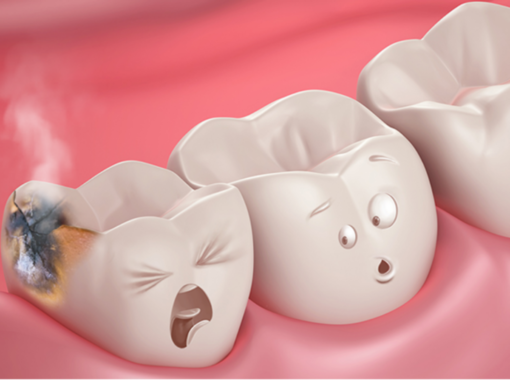
Your dentist will have to prepare the surrounding teeth for the dental bridge. Then, he or she will remove a portion of the patient’s healthy tooth and replace it with a “bridge” of restorative material. The dentist will then attach the new dental bridge to the healthy tooth and the damaged tooth.
Dental surgery and the risk of infection
Some dental procedures require the use of a local anesthetic, while others require general anesthesia. Local anesthesia numbs the area that is being treated, while general anesthesia renders the patient unconscious and unable to feel anything below the neck. Because of the risk of infection associated with general anesthesia, dentists usually try to avoid it if at all possible. HIV and hepatitis B and C are transmitted through blood, and those with open wounds are at a heightened risk of contracting these diseases during dental treatment.
Conclusion
Dentistry is a demanding and complex field of medicine. The variety of dental procedures is almost endless. Dental procedures professionals are constantly coming up with new ways to improve patient care and preventative measures for the future. From simple fillings to advanced surgeries, dentists have a lot on their plates. This list of the most complicated dental will give you an idea of what you are in for if you decide to pursue a career in dentistry.
Frequently Asked Questions
1. What is considered a complicated dental procedure?
A complicated dental procedure is generally one that requires more extensive planning, surgical access, specialist expertise, additional procedures or management of significant anatomical or medical factors. Examples can include complex extractions, advanced implant surgery and certain oral surgeries.
2. Is dental implant surgery complicated?
Some implant procedures are straightforward, while others become more complex when bone grafting, sinus lifting, multiple implants or significant bone loss is involved.
3. Is a root canal a complicated dental procedure?
Many root canal treatments are routine, but cases involving unusual anatomy, previous treatment, calcified canals or persistent infection can be more technically challenging.
4. What is the most complicated dental procedure?
There is no single procedure that is universally considered the “most complicated.” Complexity depends on the patient’s anatomy, diagnosis, medical history, procedure and level of surgical or specialist care required.
5. Should I get a second opinion before complex dental treatment?
A second opinion can be useful when treatment is extensive, involves multiple procedures or you are uncertain about the diagnosis, alternatives, risks or expected outcome. Your dentist should explain the proposed treatment and reasonable alternatives before you decide.
Suggested Article –
- 12 Dental Services you must know
- What are the most serious dental problems?
- What anesthesia is used for dental work?
Medical Disclaimer
This article is for patient education only. Dental treatment should be planned after clinical examination, medical history review, and X-rays or scans where required. Treatment suitability, cost, timeline, healing, and results vary from patient to patient.