
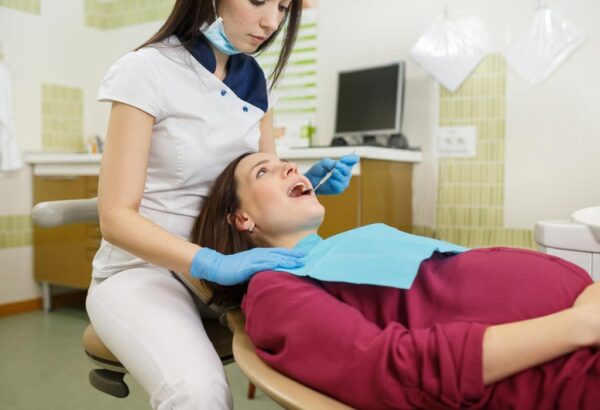
Dental Pain in Pregnancy causes several hormonal changes in a women’s body. The link between pregnancy has its effect on periodontal disease and vice-versa. Recent evidence states that periodontal disease after the systemic health of the patient and elevates the risk for low birth weight, preterm infants. Read more about your dentist visit during pregnancy.
Who is this article for?
This article is for pregnant women who are experiencing tooth pain, gum bleeding, swelling, sensitivity, bad breath, or discomfort while chewing. It is also useful for women planning pregnancy or those who have been delaying dental treatment due to fear of harming the baby. Dental pain during pregnancy should not be ignored, because untreated infection or gum disease can affect the mother’s comfort, nutrition, sleep, and overall health.
Is dental treatment safe during pregnancy?
Many patients avoid the dentist during pregnancy because they are worried about safety. However, routine and emergency dental care can be done during pregnancy when properly planned. The American Dental Association states that regular and emergency dental care, including local anaesthesia and dental X-rays when needed, is safe during pregnancy. The dentist should always be informed about the pregnancy, trimester, medicines, and gynaecologist’s advice before treatment.
When tooth pain should not be delayed
Mild gum sensitivity may happen during pregnancy, but severe tooth pain, swelling, pus, fever, inability to chew, or night pain should be checked quickly. These may be signs of deep decay, dental infection, gum abscess, or wisdom tooth-related infection. Waiting too long may make the problem worse and may require more urgent treatment later. The aim is to treat the cause safely, not just keep taking painkillers.

Morning sickness and tooth sensitivity
Repeated vomiting or acidity during pregnancy can expose teeth to stomach acid and make them sensitive. Patients should avoid brushing immediately after vomiting because the enamel surface may be temporarily softened. A better habit is to rinse with plain water or a dentist-advised fluoride rinse, wait for some time, and then brush gently with a soft toothbrush. This helps reduce acid damage and sensitivity.
Dental X-rays and local anaesthesia during pregnancy
If a dental X-ray is needed to diagnose pain or infection, it should not automatically be avoided. ACOG states that dental X-rays with appropriate shielding and local anaesthesia such as lidocaine are safe during pregnancy. Unnecessary X-rays can be postponed, but necessary diagnostic X-rays help the dentist treat the correct tooth and avoid guesswork.
Home care tips for dental pain during pregnancy
Pregnant patients should brush twice daily with fluoride toothpaste, clean between teeth, rinse after vomiting, drink enough water, and avoid frequent sugary snacks. Warm salt-water rinses may help with mild gum soreness, but they will not cure decay, pus, or tooth infection. Painkillers, antibiotics, and medicated mouthwashes should be used only after advice from the dentist or gynaecologist.
Dental pain commonly seen during pregnancy include:
Dental pain from Pregnancy Gingivitis
Seen in 30-100%of all pregnant women. Its characterized by redness, puffy gums increased bleeding. It ranges from mild to severe forms. This is mainly due to elevated hormonal levels which causes an exaggerated response to plaque. The anterior region and inter-proximal sites of the mouth more often affected.
Pyogenic Granuloma Pain in Gums and Tooth
Also known as pregnancy tumors, occur in 0.2% to 9.6% of pregnancies. Most commonly seen in the 2nd or 3rd month of pregnancy. Clinically, they bleed only and are hyperplastic and nodular. Maybe sessile or pedunculated and ulcerated. The lesion occurs in an area of gingivitis. It’s associated with poor oral hygiene. Therefore the alveolar bone loss not associated with pyogenic granuloma of pregnancy.
Related to Periodontal disease and pre-term birth
Untreated periodontal disease in pregnancy is a risk factor for preterm (<37 weeks of gestation), low-birth-weight (<2500gms) infants. Hence, the results by translocation of bacterial products like (LPS) and the action of maternally produced inflammatory mediators. Inflammatory mediators such as PGE2 and TNF-alpha raised to high levels by the infection process which may cause premature labor.
These conditions give rise to pain and/or sensitivity. So elective dental treatment becomes necessary to avoid undue complications for the mother and foetus. Visit your dentist to know more.
Second trimester the safest for dental treatment. During this period one can opt for small dental related treatments and prevention procedure to ensure a safe and healthy 3rd trimester and child birth treatments such as scaling and fillings can be performed. Most commonly prescribed antibiotics during pregnancy are Amoxicillin, Metronidazole, Cephalosporin, Clindamycin, Azithromycin, Erythromycin . Analgesics such as Acetaminophen, is the safest.
How to prevent teeth pain during pregnancy?
- Don’t skip brushing. You’ll be more tired and achy, so it might be easy to go to bed without brushing your teeth — don’t.
- Drink water or rinse your mouth after vomiting, if you have morning sickness. This helps remove stomach acid from teeth.
- Inform your dentist that you’re pregnant and see if you need more frequent cleanings.
- Limit intake of sugary foods and carbohydrates.
FAQs to be added
Can I undergo root canal treatment during pregnancy?
Yes, root canal treatment can be done during pregnancy if the tooth is infected or painful and the dentist feels it is necessary. It is usually safer to treat the infection than to allow pain and swelling to continue. The dentist may coordinate with the gynaecologist, especially in high-risk pregnancies.
Which trimester is best for dental treatment?
The second trimester is often considered the most comfortable time for planned dental treatment because nausea is usually reduced and lying on the dental chair is easier. However, emergency dental care should not be delayed in any trimester if there is pain, swelling, infection, or trauma.
Conclusion
Establishing a healthy oral environment and maintaining optimal oral hygiene levels are primary objectives in a pregnant patient. To avoid the pregnancy related oral issues it is advised to seek dental consultation before pregnancy. Although there are at-home treatment options available, the safest and most effective solution to dealing with toothache is to see your dentist or dental hygienist. Most common dental procedures such as a professional cleaning are perfectly safe for both the mother and fetus.
Medical Disclaimer
This article is for patient education only. Dental treatment should be planned after clinical examination, medical history review, and X-rays or scans where required. Treatment suitability, cost, timeline, healing, and results vary from patient to patient.