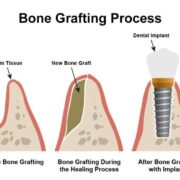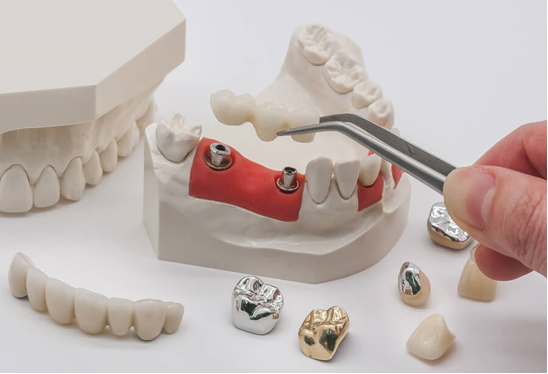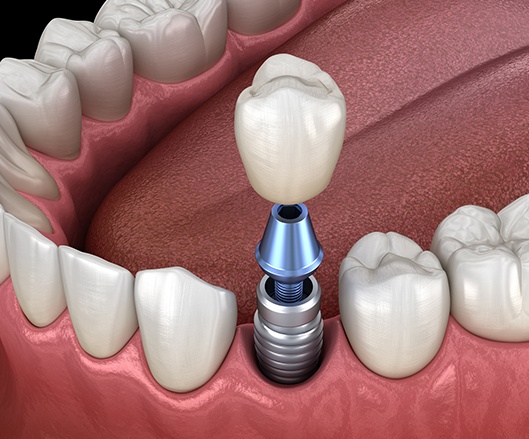
Dental implants are a reliable treatment for replacing missing teeth, but no surgical or restorative treatment is completely free from complications. Implant failure does not necessarily mean that the body has “rejected” the implant. It may occur when the dental implant failure to integrate with the bone, when inflammation causes supporting bone loss, or when excessive forces damage the implant or its restoration. Some failures occur during the initial healing period, while others develop months or years after the implant has been functioning. Identifying the cause is essential because a loose crown, a loose implant and peri-implantitis require different treatments.
1. The Implant Does Not Integrate With the Bone
Osseointegration is the biological process through which the jawbone forms a stable connection with the implant surface. An early failure may occur if adequate stability is not achieved or if the implant moves excessively during healing. Possible contributing factors include:
- Poor bone quality or insufficient bone volume
- Infection at the surgical site
- Excessive heat during implant preparation
- Premature or uncontrolled loading
- Inadequate primary stability
- Certain uncontrolled medical conditions
- Smoking or tobacco use
A mobile implant during the healing period requires prompt clinical assessment. It should not be assumed that movement is a normal part of healing.
2. Peri-Implant Mucositis or Peri-Implantitis Develops
Peri-implant mucositis causes inflammation in the gum surrounding an implant without established supporting bone loss. If the inflammation progresses and bone is lost around the implant, the condition is known as peri-implantitis. Peri-implantitis is a plaque-associated inflammatory disease characterised by inflammation around the implant and progressive loss of supporting bone. Bleeding, swelling, pus, gum recession or increasing pocket depth should not be ignored. Risk indicators can include:
- Inadequate plaque control
- Previous periodontal disease
- Smoking
- Diabetes or hyperglycaemia
- Residual dental cement
- Restorations that are difficult to clean
- Lack of regular professional maintenance
3. Smoking and Tobacco Interfere With Healing
Smoking is an important modifiable risk factor for implant failure. It can adversely affect healing, increase postoperative complications and contribute to marginal bone loss. A systematic review found a significantly higher implant-failure risk among smokers than non-smokers. Patients should honestly disclose cigarette, bidi, cigar, vaping and smokeless-tobacco use during treatment planning. Stopping or substantially reducing tobacco use before and after implant treatment may improve the healing environment, although it cannot guarantee success.
4. Existing Gum Disease and Poor Oral Hygiene Are Not Controlled
Dental implants cannot develop tooth decay, but the tissues and bone surrounding them can become diseased. Patients with active periodontal disease should have the infection controlled before implant placement. Daily cleaning must be possible around the implant crown or bridge. If the restoration has areas that trap plaque or cannot be accessed using a toothbrush, interdental brush or flossing aid, inflammation may persist despite the patient’s efforts.
5. Medical Conditions Are Not Properly Assessed or Controlled
Diabetes does not automatically prevent someone from receiving dental implants. However, poor glycaemic control may impair healing and increase the risk of peri-implant complications. Evidence concerning diabetes and implant failure is mixed, but systematic reviews indicate that diabetic patients may have a higher risk in certain circumstances, particularly when metabolic control is inadequate. Other considerations may include:
- Immune suppression
- Previous radiotherapy to the jaws
- Medicines affecting bone metabolism
- Severe nutritional deficiency
- Uncontrolled systemic disease
- Conditions affecting wound healing
6. Implant Position or Restoration Design Is Unsuitable
The implant must be placed in a position that provides adequate bone support and permits a functional, cleansable restoration. Even an implant that integrates successfully may later develop complications if the crown or bridge creates excessive forces or cannot be cleaned properly. Potential problems include:
- Implant positioned too close to another implant or tooth
- Insufficient surrounding bone
- Unfavourable angulation
- Excessive crown height
- Poor contact with adjacent teeth
- Food trapping
- Residual cement below the gum
- A restoration that prevents effective oral hygiene
7. Excessive Bite Force or Bruxism Causes Mechanical Overload
Bruxism involves repeated clenching or grinding and may place excessive forces on an implant-supported crown or bridge. Current evidence suggests that bruxism is a probable risk factor for mechanical complications such as screw loosening, chipping and damage to implant-supported restorations. Mechanical complications can include:
- Loose prosthetic screw
- Fractured crown or bridge
- Chipped restorative material
- Fractured abutment
- Rare fracture of the implant body
- Progressive bone loss associated with unfavourable loading
A bite assessment and protective night guard may be advised for selected patients, but a night guard does not replace correction of an improperly designed bite.
Early Versus Late Dental Implant Failure
Early failure occurs before or shortly after the implant has been restored. It is usually associated with failure of osseointegration, infection, inadequate stability, excessive movement during healing or impaired healing.
Late failure occurs after the implant has been functioning. Common concerns include peri-implantitis, progressive bone loss, mechanical overload, fracture, poor maintenance or changes in the patient’s general health.
This distinction should be added because the diagnosis and management of an early loose implant differ from those of a previously stable implant that becomes symptomatic several years later.
Signs That a Dental Implant May Be Failing
- Movement of the implant or implant-supported tooth
- Persistent or increasing pain after initial healing
- Bleeding while brushing around the implant
- Swollen, red or tender gums
- Pus discharge or an unpleasant taste
- Gum recession or visible implant threads
- Difficulty chewing on the implant
- Repeated loosening or fracture of the crown
- Increasing food collection around the restoration
- A change in the bite
Can a Failing Implant Be Saved?
Not every implant problem requires implant removal. Peri-implant mucositis may often be managed with professional cleaning, improved plaque control and correction of contributing factors. Early or moderate peri-implantitis may require nonsurgical treatment, while more advanced cases may need surgical access, resective treatment, regenerative treatment or soft-tissue management. An implant may require removal when it is mobile, has failed to integrate, has extensive supporting bone loss, is fractured or cannot be restored predictably. Treatment must be individualised according to the cause and severity of the problem.
How Can the Risk of Implant Failure Be Reduced?
- Treating active gum disease before implant placement
- Reviewing the patient’s complete medical and medicine history
- Controlling diabetes and other relevant conditions
- Avoiding smoking and tobacco
- Planning implant position and restoration carefully
- Following postoperative instructions
- Cleaning around the implant every day
- Using suitable interdental cleaning aids
- Attending individualised maintenance visits
- Managing bruxism and excessive bite forces
- Reporting pain, bleeding or movement early
FAQs
How do I know whether the implant or only the crown is loose?
A loose crown or connecting screw may move even when the implant remains firmly integrated with the bone. A dentist must examine the restoration and implant separately. Do not continue chewing on the area because movement can damage the components.
Can a failed dental implant be replaced?
In many cases, replacement is possible after identifying and correcting the reason for failure. The area may need infection control, healing, bone reconstruction or a modified implant plan before another implant is considered.
Can a dental implant fail after several years?
Yes. An initially successful implant can develop peri-implantitis, supporting bone loss, mechanical complications or restoration problems years later. Long-term cleaning and professional monitoring remain necessary.
Does the body reject a dental implant?
True immune rejection, similar to organ-transplant rejection, is not the usual explanation. Implant failure is more commonly related to failed osseointegration, infection, bone loss, excessive forces or mechanical complications.
Can an infected implant be treated without removing it?
Some early inflammatory conditions may respond to cleaning and risk-factor control. More advanced peri-implantitis may require surgical treatment, and an implant with severe bone loss or mobility may need removal.
Suggested Article –
- Pros and Cons of Full Mouth Dental Implants
- Difference between Crowns and Dental Implants?
- Who is the Best Dental Implant specialist in Delhi?
- Are dental implants better than alternates?
Medical Disclaimer
This article is for patient education only. Dental treatment should be planned after clinical examination, medical history review, and X-rays or scans where required. Treatment suitability, cost, timeline, healing, and results vary from patient to patient.