
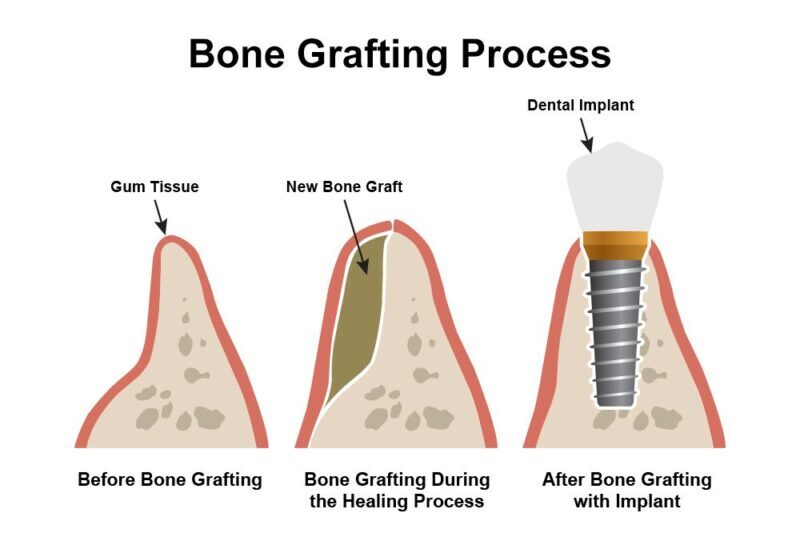
Bone grafting is one of the proven methods to promote bone growth and healing. In cases of small bone defects or non healing surgical sites, this procedure makes it possible for patients to recover function and a normal appearance of their face or body. The technique includes the utilization of 3D imaging software for modeling the procedure to enhance its effectiveness and minimize risk. During a bone graft, your surgeon places a new piece of bone where a bone needs to heal or join. The cells within the new bone can then seal themselves to the old bone.
Who Is This Article For?
- Patients considering bone grafting
- Individuals preparing for dental implants
- Patients with jaw bone loss
- People seeking tooth replacement solutions
- Anyone interested in implant dentistry
Why might I need bone grafting?
You might need bone grafting to promote bone healing and growth for a number of different medical reasons. Some specific conditions that might require a bone graft include:
- An initial fracture that your healthcare provider suspects won’t heal without a graft
- A fracture that you previously did not have treated with graft and that didn’t heal well
- Diseases of the bone, like osteonecrosis or cancer
- Spinal fusion surgery (which you might need if you have an unstable spine)
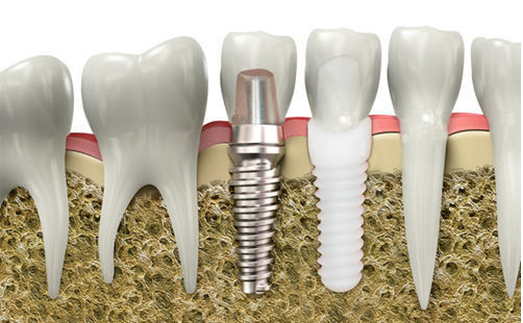
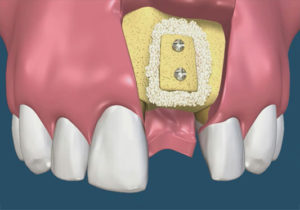
- Dental implant surgery (which you might need if you want to replace missing teeth)
- Surgically implanted devices, like in total knee replacement, to help promote bone growth around the structure
- These bone grafts can provide a framework for the growth of new, living bone. Hips, knees, and spine are common locations for bone grafting, but you might need bone grafting for a different bone in your body.
Talk with your healthcare provider about whether you want to use a bone from a donor or a bone from elsewhere in your body. If you use your own bone, you will have to have extra surgery to remove this bone. You won’t need this if you use donated bone, but the donated bone has its own small risks. Talk with your healthcare provider about what makes sense for you.
What is computer-aided grafting?
Computer-assisted bone grafting or CABG is a technology that enables a precise, customised grafting procedure thanks to the use of pre-operative 3D imaging and planning software. CABG allows the surgeon to visualise and plan each step of the procedure in a virtual setting before actually operating on the patient. This enables the surgeon to reduce the risk of bone grafting complications, including blood loss and infection. It also allows for a more precise grafting procedure, which means a faster patient recovery. Computer-assisted bone is used with a variety of bone grafting procedures. Including iliac crest, femoral iliac crest, and tibial iliac crest grafting.
How does computer-aided bone grafting work?
Before the surgery, the surgeon will use 3D software to plan the procedure. This enables the surgeon to visualise the surgical site in a virtual, computer-generated setting. This allows the surgeon to predict potential problems and find the best way to avoid them. During the procedure, the surgeon will use 3D software to guide the surgical tools. This helps the surgeon perform a precise procedure, minimizing the risk of complications.
Benefits of computer-aided bone grafting
Computer-assisted bone grafting has a number of benefits. Most importantly, it helps the surgeon visualize and plan the procedure in advance. This enables the surgeon to select the best grafting material and make sure that the patient will benefit from the highest possible healing rate. At the same time, the surgeon will minimise the risk of complications and blood loss. CABG allows the surgeon to choose the best approach for each patient and each type of bone grafting procedure. While the procedure is usually not painful, it can sometimes be uncomfortable.
Who should get computer-aided bone grafting?
Computer-assisted grafting is recommended for patients who have large or multiple bone grafting defects. It is also recommended for patients who have certain medical conditions. That make them more susceptible to complications. However, CGF – Computer-Assisted Grafting is not suitable for all types of bone.
Disadvantages of computer-aided bone grafting
The most serious risk associated with CGF is infection. Computer-assisted grafting may increase the risk of infection because it involves opening the patient’s body and introducing grafting materials. Other potential complications include bleeding and damage to the surrounding tissue. Although rare, these complications can lead to serious long-term health issues. It may not suitable for everyone.
This procedure may not be an ideal treatment for patients who have a small bone defect or a non-healing surgical site. CGF is not suitable for individuals who have osteopenia or osteoporosis. This procedure may also not be suitable for patients who are at risk of developing blood clots, are experiencing excessive bleeding, or have other serious health problems.
Is computer-assisted bone grafting right for you?
Computer-assisted bone grafting is suitable for many patients. Before undergoing this procedure, you should check with your doctor to make sure that it is appropriate for your situation. Your doctor may recommend this procedure if you have a large bone defect or a nonhealing surgical site. You may also have a higher risk of complications that computer-assisted grafting can help to prevent.
You should also be sure to tell your doctor about any pre-existing conditions that may make you more susceptible to complications. At the same time, you should be sure to inform your doctor if you have osteopenia or osteoporosis. This type of bone grafting procedure may not be right for you.
Conclusion
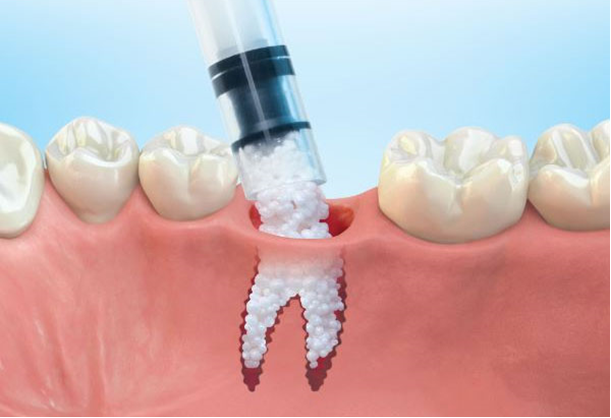
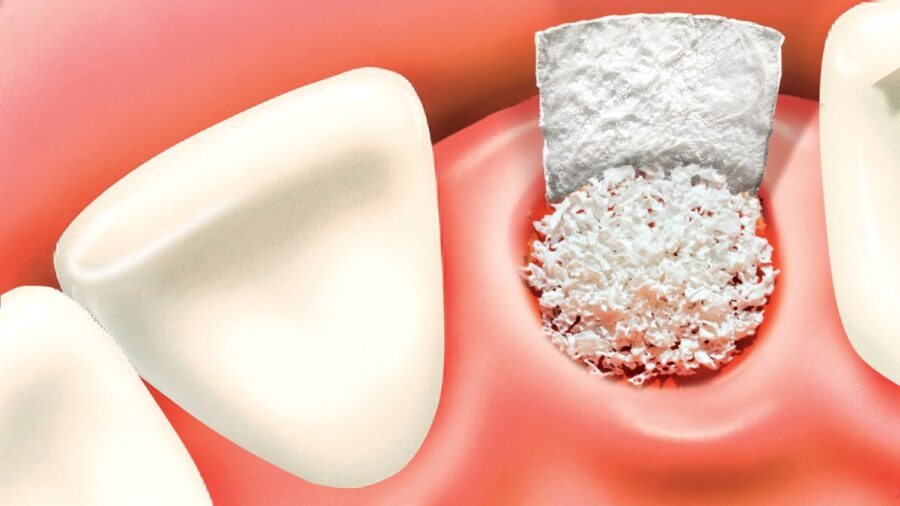
Bone grafting is a commonly performed dental procedure that helps rebuild and strengthen areas of the jawbone affected by bone loss. The procedure involves placing bone graft material into the deficient area, allowing new bone to develop over time and creating a stable foundation for future dental implants. Modern bone grafting techniques are safe, predictable, and highly successful when performed by experienced dental professionals. For patients with inadequate jawbone support, bone grafting often plays a crucial role in restoring oral function and enabling long-term implant success.
Book Your Consultation
At Royal Dental Clinics, we provide advanced bone grafting procedures, sinus lift surgery, ridge augmentation, and dental implant treatments. Our implant specialists use CBCT-guided planning and modern regenerative techniques to help rebuild jawbone structure and create strong, lasting support for dental implants and smile restoration.
FAQ’s
What is bone grafting in dentistry?
Bone grafting is a dental procedure used to rebuild or increase the amount of jawbone in areas where bone has been lost due to missing teeth, gum disease, trauma, or infection. The graft material helps stimulate new bone growth and creates a stable foundation for future dental treatment.
Why is bone grafting performed before dental implants?
Dental implants require sufficient bone support to remain stable and function properly. When the jawbone is too thin or weak, bone grafting helps restore the necessary bone volume and density needed for successful implant placement.
Is bone grafting a painful procedure?
Bone grafting is typically performed under local anesthesia, so patients should not feel pain during the procedure. Mild discomfort, swelling, or soreness may occur afterward, but these symptoms are usually manageable with prescribed medications and proper aftercare.
How long does a dental bone graft take to heal?
Initial healing generally occurs within one to two weeks, while complete bone integration may take anywhere from three to nine months, depending on the size of the graft, the patient’s health, and the type of grafting procedure performed.
What types of bone graft materials are used?
Dentists may use several types of graft materials, including the patient’s own bone (autograft), donor bone (allograft), animal-derived bone (xenograft), or synthetic bone substitutes. The most suitable material depends on the individual case and treatment goals.
Can dental implants be placed immediately after bone grafting?
In some cases, implants can be placed at the same time as the bone graft. However, many patients require a healing period before implant placement to allow the grafted bone to integrate and become strong enough to support the implant.
What is the success rate of dental bone grafting?
Dental bone grafting has a high success rate when performed by experienced professionals and when patients follow post-operative instructions carefully. Successful grafting significantly improves the chances of long-term dental implant success and jawbone stability.
Suggested Article –
- Pros and Cons of Full Mouth Dental Implants
- Difference between Crowns and Dental Implants?
- Who is the Best Dental Implant specialist in Delhi?
- Are dental implants better than alternates?
Medical Disclaimer
This article is for patient education only. Dental treatment should be planned after clinical examination, medical history review, and X-rays or scans where required. Treatment suitability, cost, timeline, healing, and results vary from patient to patient.