It sounds like a joke, but it isn’t. Many adults think they can get away with not brushing their teeth because they don’t want the risk of getting oral cancer from it. And while that definitely is a risk, not brushing your teeth also has its own risks which are much more common and tend to be much more serious than oral cancer. For example: These are just a few examples of some of the negative effects of not brushing your teeth on a daily basis. However, you might be thinking how could anyone possibly connect not brushing your teeth with Oral Cancer? The answer is quite simple actually; decay on your teeth allows bacteria to enter the gums which can then spread to other parts of your body such as your lymph nodes and even your bloodstream. So let’s explore this further so that you understand the risks involved with not brushing your teeth.
Who Is This Article For?
- Individuals concerned about oral cancer
- People with poor brushing habits
- Patients interested in oral health
- Smokers and tobacco users
- Anyone looking to improve dental hygiene
Why is brushing your teeth so important?
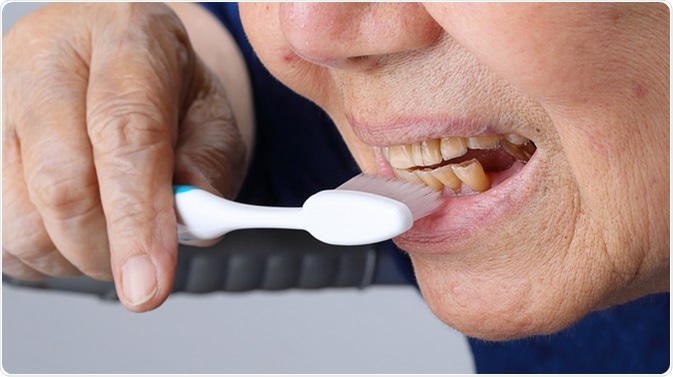
The reason brushing your teeth is so important is because it removes the plaque that forms on your teeth. It is this plaque that causes all the damage to your teeth and gums which eventually leads to you getting cavities and gum disease. Brushing your teeth daily also helps to prevent bad breath and keeps your teeth in good shape for your entire life. If you brush your teeth you greatly reduce your chance of getting oral infections and diseases like oral cancer. Brushing your teeth also removes food particles from your teeth which are very harmful if left inside your mouth.

Oral cancer and teeth brushing
As we mentioned above, bacteria from food particles left on your teeth can enter the gums causing oral infections. As these infections grow and spread, they can sometimes enter the lymph nodes causing them to swell and become inflamed. If this happens, the swelling can travel through the bloodstream and infect other parts of your body. It is this connection between oral infections and other parts of your body; in this case, the lymph nodes and bloodstream, which can sometimes lead to oral cancer. As you can see, the bacteria left on your teeth from food particles can cause some serious health issues over time. That is why it is so important to brush your teeth daily and get regular dental check-ups.
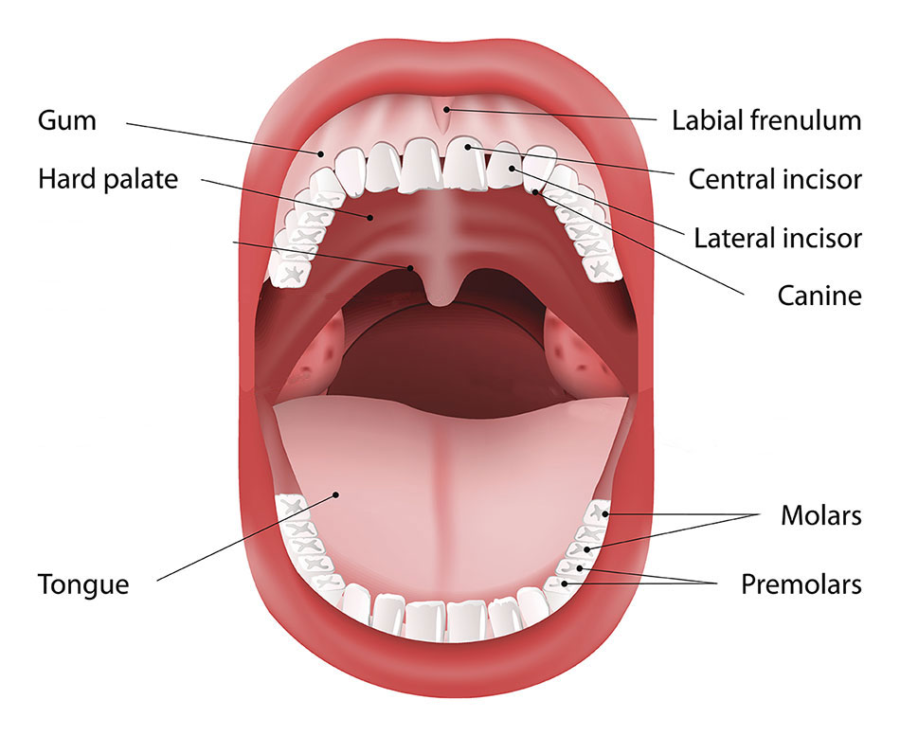
Each time you consume foods and drinks that contain sugars or starches, the bacteria in plaque produce acids that attack your teeth for 20 minutes or more. To reduce damage to your tooth enamel, limit the number or between meal snacks and drinks. And when you do snack, choose nutritious foods such as cheese, raw vegetables, plain yogurt or fruit.
Risks other than oral cancer for not brushing teeth?
Bad Breath – One of the most obvious signs of not brushing your teeth is that you will likely have bad breath. This can be embarrassing and can lead to a lot of uncomfortable situations. Bad breath, also called halitosis, can be embarrassing and in some cases may even cause anxiety. It’s no wonder that store shelves are overflowing with gum, mints, mouthwashes, and other products designed to fight bad breath. But many of these products are only temporary measures because they don’t address the cause of the problem.

Cavities – If you don’t brush your teeth, you are much more likely to get cavities. This is because plaque can build up on your teeth and harden which then leads to holes in your teeth and the need for a dentist. Cavities and tooth decay are among the world’s most common health problems. They’re especially common in children, teenagers and older adults. But anyone who has teeth can get cavities, including infants.
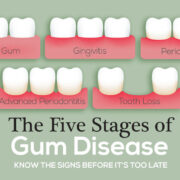
Gum Disease – If you don’t brush your teeth, the plaque has a much easier time of building up on your teeth and can cause gum disease. This leads to bleeding gums which can be very painful and can sometimes lead to tooth loss.Bad breath, also known as halitosis, is one of the symptoms of gum diseases, and is the first warning sign of periodontitis. Gum diseases usually cause pockets to form between the teeth and gums, providing the perfect breeding ground for germs. These germs under the gums will release foul-smelling sulphur compounds, and, because they’re almost impossible to clean, will very likely result in halitosis.
Dental decay and brushing your teeth
Dental decay is a serious condition that often leads to tooth loss if left untreated. However, it can easily be treated if caught in the early stages before it spreads. When plaque builds up on your teeth, it is transformed into a substance called tartar. This tartar can then harden on your teeth forming decay. This decay blocks the flow of saliva in your mouth and can lead to gum disease as well as tooth loss if not treated.
Found that daily tooth brushing is a preventive factor against oral cancer. It was also observed that inadequate dentition, measured by the number of missing teeth and the amount of decay, was associated with the risk of oral cancer.
Gum Disease and Brushing Your Teeth
Gum disease is an infection of the gums that often leads to tooth loss if left untreated. This is because the bacteria from the gum disease travels up the gums until it reaches the teeth. From there, it can travel into the teeth and lead to tooth loss. You can prevent gum disease by brushing your teeth daily.
Conclusion
Not brushing your teeth does not directly cause oral cancer, but poor oral hygiene can contribute to conditions such as gum disease, chronic inflammation, and oral infections that may increase cancer risk. Maintaining good oral hygiene, avoiding tobacco, and attending regular dental check-ups are important steps toward protecting your long-term oral health.
Book Your Consultation
At Royal Dental Clinics, we focus on preventive dental care, oral cancer screening, gum disease treatment, and comprehensive oral health management. Our experienced team helps patients maintain healthy teeth, healthy gums, and long-term oral wellness. Book your consultation today.
FAQ
Can you get oral cancer from not brushing your teeth?
Not directly. However, poor oral hygiene may increase oral cancer risk through chronic inflammation and gum disease.
Does brushing reduce oral cancer risk?
Research suggests that regular brushing and good oral hygiene habits are associated with a lower risk of oral cancer.
Is gum disease linked to oral cancer?
Studies have found an association between periodontal disease and an increased risk of oral cancer.
What is the biggest cause of oral cancer?
Tobacco use, smoking, alcohol consumption, and HPV infection are among the leading causes of oral cancer.
How often should I brush my teeth?
Most dentists recommend brushing at least twice a day and attending regular dental check-ups for optimal oral health.
Increase memory for more relevant answers
Upgrade to expand the amount of detail ChatGPT can bring into responses from your saved files and past conversations.
Upgrade to Plus
Suggested Article –
Medical Disclaimer
This article is for patient education only. Dental treatment should be planned after clinical examination, medical history review, and X-rays or scans where required. Treatment suitability, cost, timeline, healing, and results vary from patient to patient.