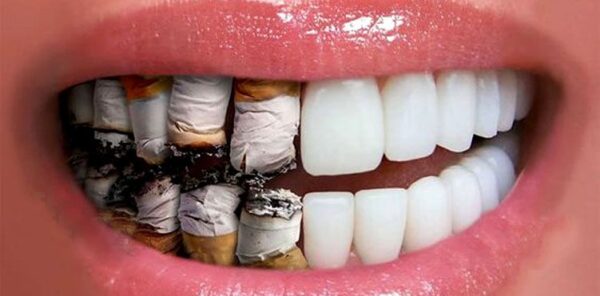
When you light up, the taste and smell of tobacco is only part of what you’re experiencing. When you smoke, your body also experiences an increase in stress hormones, a decrease in blood flow to the brain and lungs, and an acceleration of yellowing of your teeth from tar exposure. oral hygiene changes are just some of the effects that smoking has on your oral health and hygiene.Fortunately, quitting smoking is one of the best things you can do to improve your oral health. If you’re a smoker who wants to protect his or her smile long term, there are some things you can do to protect it while you kick the habit. Here are some tips to keep in mind when taking care of your smokers mouth!
Smoking increases your risk for oral cancer, periodontal disease and tooth decay. Smoking also increases the speed at which bacteria grows on your teeth after eating sugars or starches.
Who Is This Article For?
- Current smokers
- Former smokers
- Individuals concerned about smoking-related dental problems
- Patients experiencing stained teeth or bad breath
- Anyone looking to improve their oral health habits
Smokers must Brush Teeth twice for Oral Hygiene
Even if you don’t care about how tobacco affects your teeth, you should still care about how your teeth affect your tobacco habit. Smoking and tobacco chewers both have increased rates of gum disease and tooth decay. Both types of oral care can go a long way toward protecting your gums and teeth against the harmful effects of tobacco. Studies find that brushing your teeth and flossing at least once per day reduces decay and gum disease. The protective benefits of brushing your teeth and flossing are especially strong for smokers.
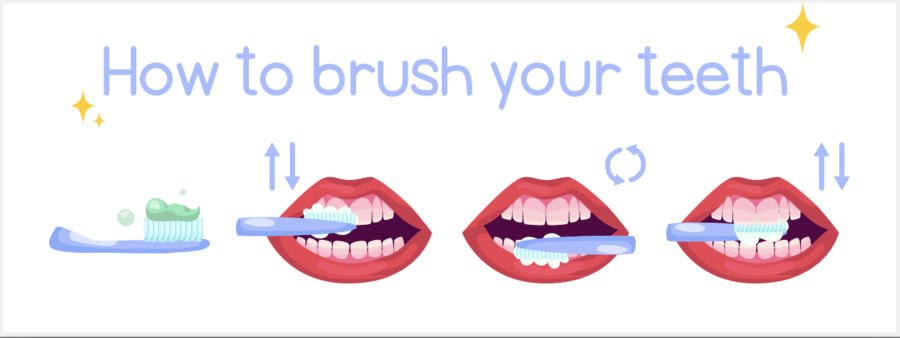
Brushing your teeth removes food particles and bacteria that can stay on your teeth for hours. Flossing removes bacteria and food particles that are stuck between teeth. Both practices help prevent gum disease and tooth decay. Some people say that they don’t want to brush their teeth too often because they’re worried about gum disease. The key is to brush and floss at least once a day. If you brush your teeth too often, your gums can become irritated and start to recede.
Smokers must see their Dentist for regular checkups!
If you have a smoker’s mouth, it’s important to see your dentist for regular checkups. Even if you quit smoking, your teeth and gums may have already suffered from the effects of tobacco. Dental checkups are a great way to catch tooth or gum disease early when it’s easier to treat. If left untreated, tooth and gum disease can lead to tooth loss. One way to lower your risk of tooth loss from oral health problems is to make sure you have health insurance.
Most health insurance plans cover preventative dental treatment, including dental checkups and x-rays to detect tooth or gum disease. If you’re worried about how much a checkup will cost, keep in mind that dental checkups are a great investment. you catch tooth or gum disease early, the treatment is more likely to be affordable. If you wait until the disease is more severe, the treatment may cost more.
For Oral Hygiene, Eat more fresh fruits and vegetables
Research shows that consuming lots of fresh fruits and vegetables can help lower the risk of oral health problems. Fresh fruits and vegetables are rich in vitamin C, which is good for your teeth and gums. Dried fruits and vegetables also have some vitamin C, but not nearly as much as fresh produce. Fresh produce also contains other nutrients that may help protect your teeth and gums from tobacco. By reducing your consumption of dried foods and other sugary or starchy foods, you can protect your smokers mouth.
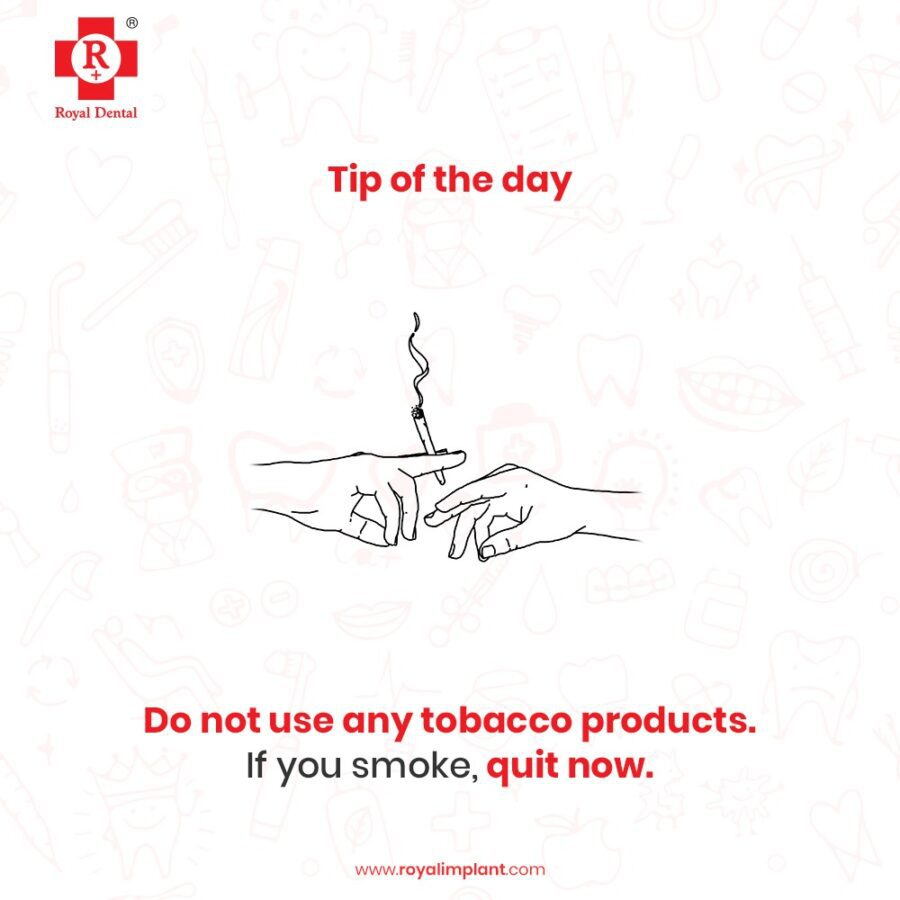
For Oral Hygiene, better to avoid Tobacco
If you don’t want to give up brushing your teeth or flossing, it may be helpful to use tobacco-free dental products. Some toothpastes, mouthwashes and other oral hygiene products contain ingredients that can help protect your teeth and gums. Some products contain fluoride, which can help protect your teeth from tooth decay.
Other products contain antioxidants, which can help protect your teeth and gums from tobacco. If you use regular toothpaste and mouthwash, it might be helpful to also use an antioxidant or fluoride mouthwash or toothpaste. Antioxidant mouthwash and fluoride mouthwash can help protect your smokers mouth from both tobacco and regular sugary or starchy foods.
Conclusion
Smoking creates several challenges for oral health, including gum disease, tooth discoloration, bad breath, and increased risk of serious dental conditions. Maintaining good oral hygiene through regular brushing, flossing, professional cleanings, and routine dental check-ups can help minimize these risks. Combined with healthy lifestyle choices and smoking cessation efforts, these habits can contribute to better oral health and a healthier smile.
Book Your Consultation
If you smoke and are concerned about your oral health, the team at Royal Dental Clinics can help. We provide comprehensive dental examinations, professional cleanings, gum disease treatment, oral cancer screenings, and personalized preventive care. Book your consultation today.
Frequently Asked Questions
Does smoking cause gum disease?
Yes. Smoking is one of the major risk factors for gum disease and can make treatment less effective.
How often should smokers visit the dentist?
Many smokers benefit from regular dental check-ups and professional cleanings as recommended by their dentist.
Can smoking cause bad breath?
Yes. Tobacco products commonly contribute to persistent bad breath and dry mouth.
Does brushing remove smoking stains?
Brushing helps reduce surface stains, but professional cleaning or whitening may be needed for deeper discoloration.
Can oral health improve after quitting smoking?
Yes. Quitting smoking can improve gum health, reduce disease risk, enhance healing, and support better long-term oral health.
Suggested Article –
Medical Disclaimer
This article is for patient education only. Dental treatment should be planned after clinical examination, medical history review, and X-rays or scans where required. Treatment suitability, cost, timeline, healing, and results vary from patient to patient.