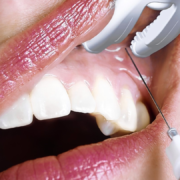


Many people think oral health only affects the teeth and gums, but research suggests that oral health is closely connected to overall health. Poor oral hygiene, untreated gum disease, and oral infections may contribute to inflammation throughout the body and have been associated with several systemic health conditions. Maintaining healthy teeth and gums is not only important for your smile but may also support your general well-being.
When you think of oral health, you probably think about your teeth and gums. But your oral health can affect other bodily functions, as well as your general health. For example, if you have compromised oral health, it can lead to other problems and complications in different areas of your body. In this blog post, we’ll explore how various aspects of oral health affect various parts of the body. If any of these ideas sound familiar to you, schedule an appointment with your dentist as soon as possible to get on track with maintaining healthy teeth and gums.
Who Is This Article For?
- People with gum disease or dental problems
- Patients with diabetes or heart disease
- Individuals interested in preventive healthcare
- People wanting to improve their overall health
- Anyone looking to understand the oral-systemic health connection
Connection between Oral and General Health
If you want to keep your overall health in check, oral health should always be a priority, no matter your age. In fact, older patients may experience even greater consequences when they neglect their oral health. Most people know that there’s a connection between oral health and their teeth, gums, and mouth. But did you know that your oral health can also have an effect on the rest of your body?
That’s right: If you have compromised oral health, it can lead to other problems and complications in different areas of your body.
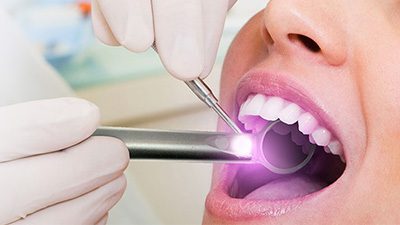
Oral Health and Respiratory System
Your teeth, gums, and mouth are home to thousands of bacteria. While many of these bacteria are harmless, some can make you sick. When bacteria from your mouth make their way into your bloodstream, it can cause an infection. That infection can spread to your lungs and is called pulmonary infection. How can you prevent this? Make sure to brush your teeth twice a day and floss at least once a day. Visit the dentist twice a year for a checkup.
Oral Health and Eyes
Your oral health affects your vision as well. Studies have found that oral bacteria is also found in the eyes. If that bacteria gets into your eyes, it could lead to irritation or even permanent damage. If you have any kind of eye infection, you should see an eye doctor right away.
If the doctor suspects the infection might be coming from your mouth, he or she may prescribe antibiotics that can be taken orally. How can you prevent this? Brush your teeth twice a day and floss at least once a day. Visit the dentist twice a year for a checkup.
Oral Health and the Digestive System
Your teeth, gums, and mouth can also have an effect on your digestive system, causing problems like stomachaches, diarrhea, and vomiting. If that doesn’t sound serious, consider this: If the digestive bacteria from your mouth gets into your bloodstream, it can lead to more serious complications, including blood poisoning. How can you prevent this? Brush your teeth twice a day and floss at least once a day. Visit the dentist twice a year for a checkup.

Oral Health and the Skin
Your oral health can also affect your skin. When bacteria from your mouth spreads to your skin, it can cause boils or pimples. Bacterial infections that affect your skin are usually referred to as cellulitis or impetigo. How can you prevent this? Brush your teeth twice a day and floss at least once a day. Visit the dentist twice a year for a checkup.
Conclusion
Oral health is closely connected to overall health. Poor oral hygiene and untreated gum disease have been associated with several systemic conditions, including heart disease, diabetes, respiratory illnesses, and pregnancy-related complications. While oral health problems may not directly cause these conditions, maintaining healthy teeth and gums can help reduce inflammation and support better overall well-being.
Regular dental check-ups, good oral hygiene practices, and early treatment of dental problems remain important parts of maintaining both oral and general health.
Frequently Asked Questions
Can poor oral health affect overall health?
Yes. Research has found associations between poor oral health and several systemic conditions, including cardiovascular disease, diabetes, and respiratory illnesses.
How does gum disease affect the body?
Gum disease causes chronic inflammation and may contribute to systemic inflammatory processes associated with other health conditions.
Is there a link between diabetes and oral health?
Yes. Diabetes and gum disease have a two-way relationship. Poorly controlled diabetes can increase the risk of gum disease, and severe gum disease may make blood sugar management more difficult.
Can oral health affect heart health?
Research has identified associations between periodontal disease and cardiovascular conditions, although direct causation continues to be studied.
How can I improve my oral health?
Brush twice daily, clean between your teeth daily, maintain a healthy diet, avoid tobacco, and attend regular dental check-ups.
Why are regular dental visits important?
Regular dental visits help identify oral health problems early, provide preventive care, and support both oral and overall health.
Suggested Article –
Medical Disclaimer
This article is for patient education only. Dental treatment should be planned after clinical examination, medical history review, and X-rays or scans where required. Treatment suitability, cost, timeline, healing, and results vary from patient to patient.