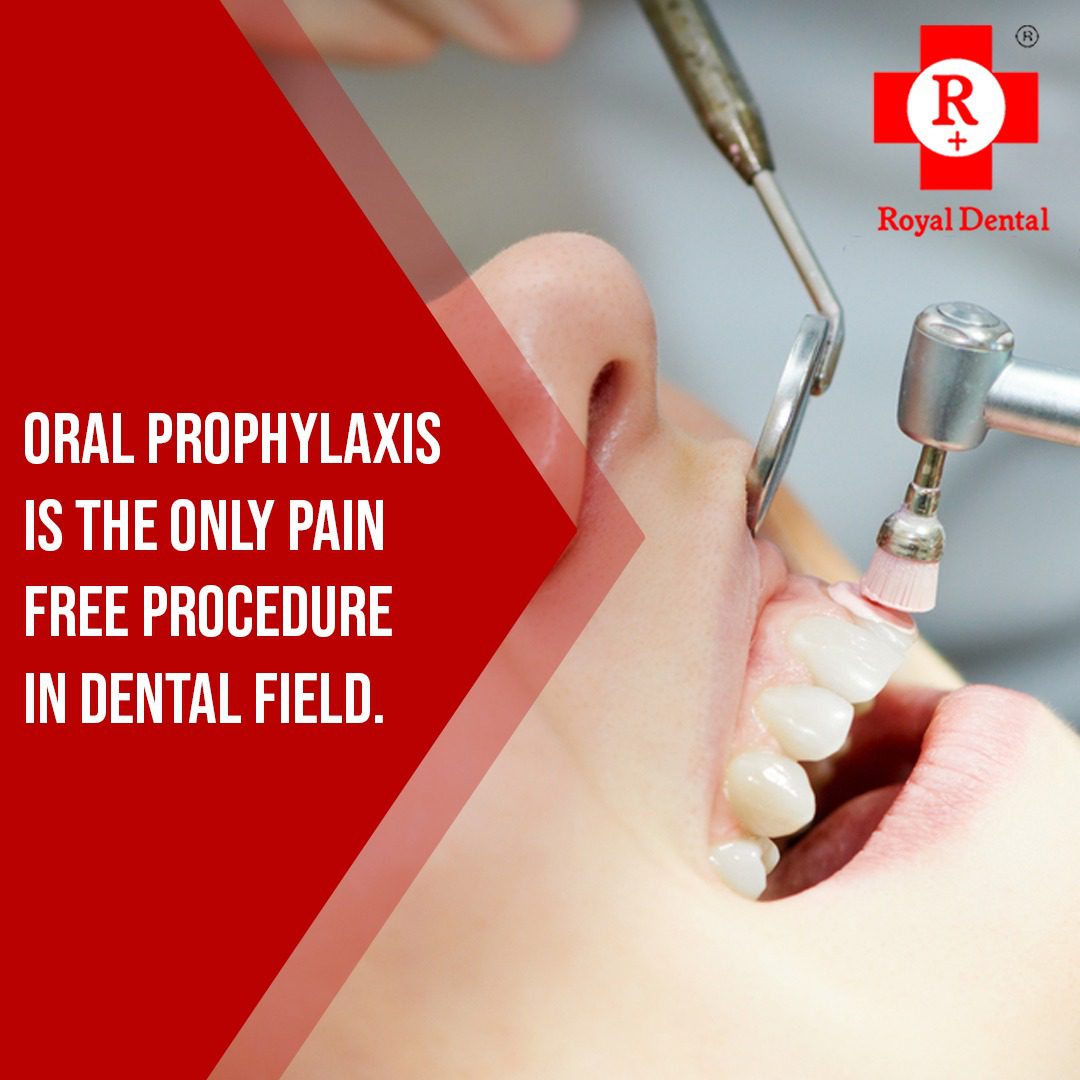
What is the lifestyle of a dentist? It is a profession that combines healthcare, technical expertise, and compassionate patient care. A dentist’s day may include preventive check-ups, restorative treatments, cosmetic procedures, emergency care, and patient education. In addition to clinical responsibilities, dentists continually update their knowledge and skills to provide safe, effective, and evidence-based dental care while helping patients achieve healthier smiles.
Who Is This Article For?
- Students considering dentistry as a career
- People curious about a dentist’s daily life
- Dental professionals
- Patients interested in understanding the profession
- Anyone exploring careers in healthcare
Morning Routine: Life of a Dentist
In the busy field of dentistry, dentists use their mornings to get ready for the day. Every morning, I usually begin by quickly reviewing my emails and texts and responding to any urgent updates or questions from patients. Dentists can keep informed and prepared to handle any unforeseen issues by doing this first digital sweep. The examination of treatment plans and patient charts comes next. Each case is carefully reviewed by dentists to make sure they fully comprehend the operations planned for the day. Keeping continuity in patient treatment and delivering individualized care depend on this phase.

As the morning wears on, dentists arrange their workstations, making sure that all the tools and supplies they need are close at hand. Managing a hectic schedule requires organisation; a well-planned setup eliminates interruptions and saves important time during operations. An organized morning routine generally sets the stage for a successful day at the dentist’s office. Dentists can concentrate their efforts on providing patients with excellent care and memorable experiences by maintaining efficiency and organization.
Patient Appointments for Dentist
Throughout the day, dentists see a range of patient appointments, each with its own special needs and protocols. The following are some typical appointment types and the procedures for each:
Routine Cleanings:
- The appointment typically starts with a review of the patient’s oral health history and any concerns they may have.
- The dental hygienist performs a thorough cleaning, including scaling, to remove plaque and tartar buildup.
- The dentist conducts a comprehensive oral exam, checking for signs of cavities, gum disease, or other issues.
- Recommendations for home care and preventive measures are discussed, such as brushing and flossing techniques.
Fillings:
- After assessing the extent of tooth decay through X-rays and visual inspection, the dentist numbs the area with local anesthesia.
- The decayed portion of the tooth is removed, and the cavity is cleaned and prepared for filling.
- The filling material (e.g., composite resin, amalgam) is placed and shaped to restore the tooth’s structure and function.
- The filling is hardened with a curing light, and final adjustments are made for comfort and bite alignment.
Root Canals:
- Root canal appointments are typically scheduled for cases of severe tooth infection or damage.
- The dentist numbs the area and creates an access point to reach the infected or damaged pulp inside the tooth.
- The infected tissue is removed, and the root canals are cleaned, shaped, and filled with a biocompatible material.
- A crown may be placed over the restored tooth to protect it and restore its strength.

Administrative Tasks: Life of a Dentist
A dentist’s ability to handle the many administrative responsibilities necessary to keep a dental business running smoothly is in addition to their abilities as clinicians. Billing, scheduling, and keeping track of patient information are a few of these duties.
Billing:
- Dentists are responsible for accurately billing patients for services rendered, which may include consultations, procedures, and follow-up appointments.
- They ensure that insurance claims are processed correctly and that patients are aware of their financial responsibilities.
- Proper billing practices contribute to financial stability and transparency within the practice.
Scheduling:
- Dentists manage appointment schedules to optimize patient flow and minimize wait times.
- They coordinate with receptionists and assistants to schedule consultations, treatments, and follow-up visits efficiently.
- Effective scheduling helps maximize productivity while ensuring adequate time for each patient’s care.
Maintaining patient records:
- Dentists maintain detailed and accurate records of patient information, including medical history, treatment plans, and progress notes.
- These records are essential for continuity of care, facilitating communication among healthcare providers, and ensuring compliance with regulatory standards.
- Electronic health record systems streamline record-keeping processes and enhance data security.
Dental Practice depends on these Administrative Duties
- Efficient scheduling and billing practices minimize wait times and confusion, leading to a positive patient experience.
- Well-maintained patient records enable dentists to make informed clinical decisions, track treatment outcomes, and coordinate care seamlessly.
- Accurate billing and timely follow-up on claims contribute to revenue generation and financial stability.
- Proper documentation and record-keeping practices ensure compliance with legal and regulatory requirements, reducing the risk of penalties or legal issues.
Continuing Education as a Dentist
Maintaining current dentistry procedures, technologies, and best practices requires dentists to pursue continual education. Dentistry is a quickly developing subject, with new methods and technologies appearing on a regular basis. Through continuing education, dentists can stay up-to-date on the newest developments in materials, tools, and techniques, allowing them to offer their patients the best possible care. Innovations in minimally invasive procedures, digital imaging technology, restorative materials, and preventive care approaches are a few examples of these developments. Dentists can improve their clinical competence and provide patients with the most effective and efficient treatments by remaining current through continuing education.

A major advantage of continuing education is the chance to improve clinical competencies. Dentists can enhance their clinical skills and broaden their knowledge through these programs. This entails developing novel treatment techniques, comprehending challenging instances, and strengthening diagnostic skills. For instance, the newest methods in root canal therapy may be included in advanced endodontics courses, whereas surgical procedures and prosthetic considerations may be the main topics of implant dentistry courses. Dentists can maintain their current level of expertise and develop their skills through interactive learning environments and hands-on instruction.
Conclusion
Dentistry is far more than performing dental procedures—it is about building trust, educating patients, and promoting lifelong oral health. By combining scientific knowledge with advanced technology and a patient-centred approach, dentists help individuals achieve healthier, more confident smiles while contributing to their overall quality of life.
FAQs
What is the lifestyle of a dentist?
A dentist’s lifestyle involves diagnosing and treating oral health conditions, educating patients, performing dental procedures, managing appointments, and continuously updating their clinical knowledge.
Is dentistry a stressful profession?
Dentistry can be demanding due to the precision required, patient expectations, and clinical responsibilities. However, many dentists find the profession highly rewarding because they improve patients’ health and confidence.
What does a typical day for a dentist look like?
A typical day includes patient consultations, routine check-ups, restorative treatments, emergency care, treatment planning, and administrative tasks within the dental practice.
Do dentists continue learning throughout their careers?
Yes. Dentists regularly attend continuing education programmes and training courses to stay updated with new technologies, treatment techniques, and evidence-based practices.
What makes dentistry a rewarding career?
Dentistry offers the opportunity to relieve pain, restore oral function, improve smiles, build long-term patient relationships, and make a positive impact on people’s overall health and quality of life.
© All rights reserved by Royal Dental Implants Pvt Ltd Issued in public interest
Suggested Article:
Medical Disclaimer
This article is for patient education only. Dental treatment should be planned after clinical examination, medical history review, and X-rays or scans where required. Treatment suitability, cost, timeline, healing, and results vary from patient to patient.