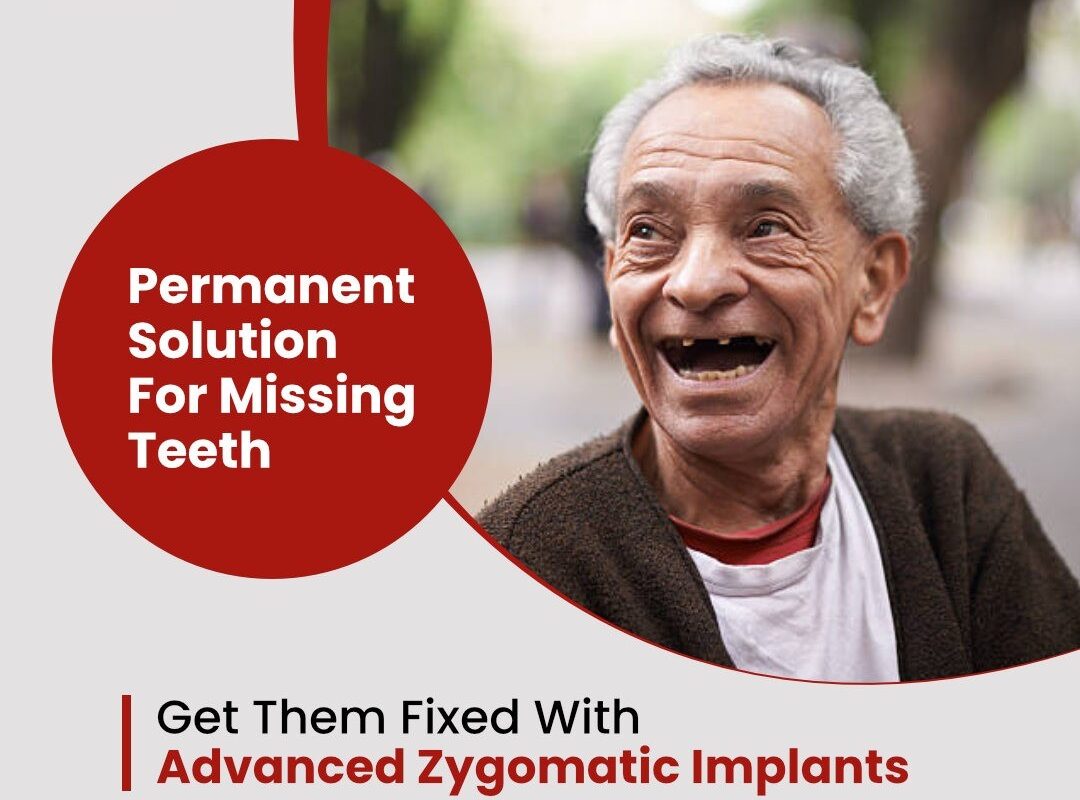
A subtle smile is one of the most memorable features on a person. When we meet someone new, their smile can often leave an impression so that lasts long after the introuction. Unfortunately, as we grow older, our natural facial structure begins to change and cause a less pronounced grin. The loss of volume in the cheek area is a common consequence of ageing, leading many individuals to feel self-conscious about their appearance. Fortunately for an 82-year-old patient who sought out Dr. Chirag Chamria with concerns about his ageing appearance on the cosmetic but surgery could restore his natural smile once again. Learn how zygomatic implants in elderly may help elderly patients with missing teeth, bone loss, loose dentures, and fixed teeth options.
An 82 year old receives Zygomatic Implants is a helpful case for elderly patients and families who want to know whether fixed teeth treatment is possible at an advanced age. Zygomatic implants may be considered for patients with missing upper teeth, severe bone loss, loose dentures, or difficulty chewing, but treatment should be planned only after medical history review, clinical examination, and required scans.
Who is This Article For?
This article is for elderly patients and their families who want to know whether zygomatic implants are possible at an advanced age, such as 80 years and above. This blog helps them understand that age alone may not be the only deciding factor; overall health, medical history, bone condition, scan evaluation, surgical planning, and follow-up care are more important before deciding whether zygomatic implants are suitable. Royal Dental’s related zygomatic implant content explains that these implants take support from the cheekbone when upper jawbone support is insufficient.
Why do people have Missing Teeth?
Teeth are an integral part of our lifestyle. So why do most patients above 45+ years, end up losing few or all of their teeth? Likewise, the number of individuals who suffer from missing teeth is pretty high in the age group of 45+. Tooth decay, gum disease, and injury are common causes of missing teeth. These are the main causes says Dr Chirag Chamria from Royal Dental.
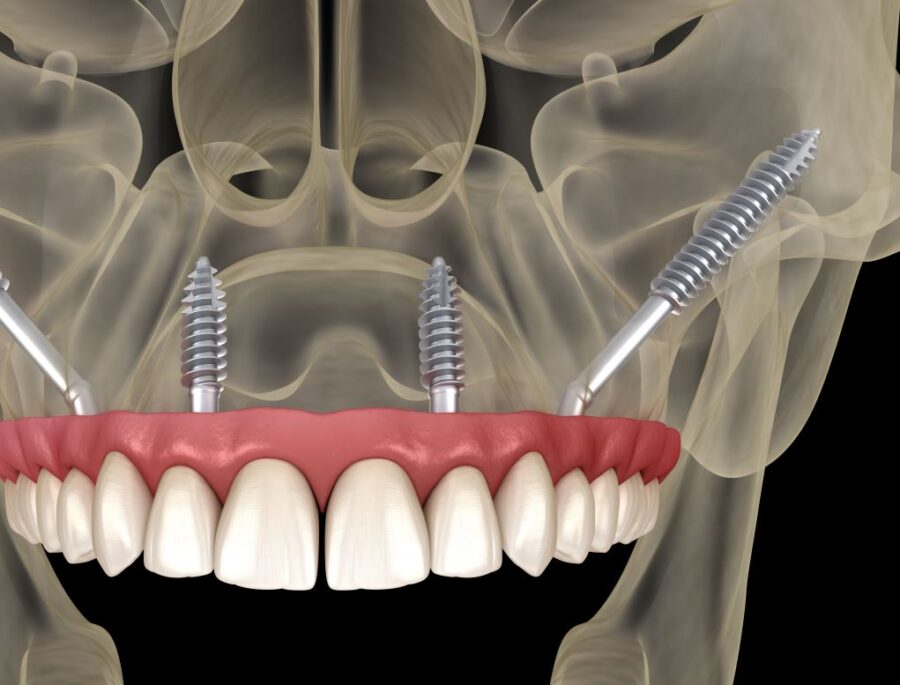
What is a Zygomatic Implant?
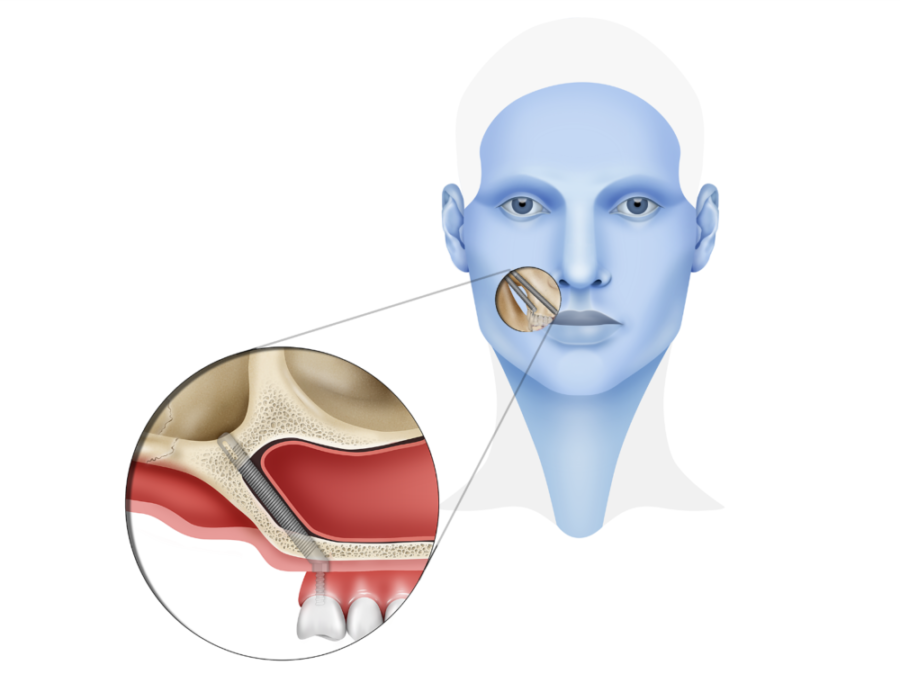
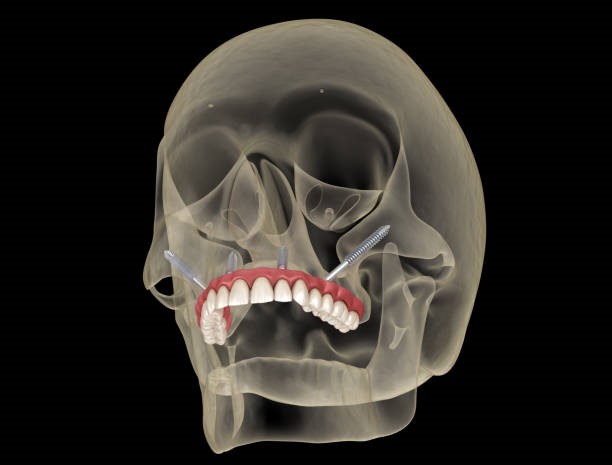
A zygomatic implant is a surgical procedure in which a medical grade implant is placed in a patient’s cheek area to restore volume in the face. The implants consist of a titanium because its is safe to integrate on the human body and can be placed using a minimally invasive approach. Speak to Dr Chirag Chamria to know whether you need one.
What to expect from Zygomatic Implants in elderly
After consulting with Dr. Chirag Chamria and his team and undergoing a thorough clinical examination, it was determined that zygomatic implants were the best solution for this patient’s concerns and desired outcome. Zygomatic implants are custom-made for each patient and surgically placed in the cheek area, restoring volume and fullness to the face.
Cheekbone Implants can also be used in conjunction with other procedures, such as a facelift or rhinoplasty, resulting in a more cohesive and natural outcome. While zygomatic implants are a minimally invasive procedure, it is important to note that there are varying levels of recovery associated with each procedure, and aftercare instructions should be followed closely. After the procedure, most patients experience mild swelling, soreness, and a small amount of bruising around the cheek area. In most cases, these symptoms should subside within a week’s time, and patients can return to their regular daily activities after receiving clearance from their surgeon.
Are you a safe patient for Zygoma Implants?
They are ideal candidates for patients who have noticed a loss of volume in their cheek area and would like to restore a more youthful appearance to their face. Some common reasons for considering zygomatic implants include:
- Ageing or stress-induced volume loss in the cheek area.
- A desire for a more balanced facial appearance.
- Worry about how the loss of volume in the face may be evident to others.
Patients who are considering zygomatic implants should first undergo a thorough consultation to discuss the procedure and determine if it is the best course of action for them.
Possible side effects of Zygomatic Implants?
While zygomatic implants are a relatively safe and minimally invasive procedure because there are some potential side effects that should be considered prior to undergoing the procedure. Like other aesthetic procedures, there is a slight risk of infection associated with the procedure, and patients should follow the aftercare instructions provided by their surgeon closely to help reduce this risk. Zygomatic implants may cause some initial swelling, discomfort, and bruising around the cheek area and may temporarily affect the ability to taste food. While these side effects are generally mild, all patients should understand the potential risks associated with zygomatic implants prior to undergoing the procedure.
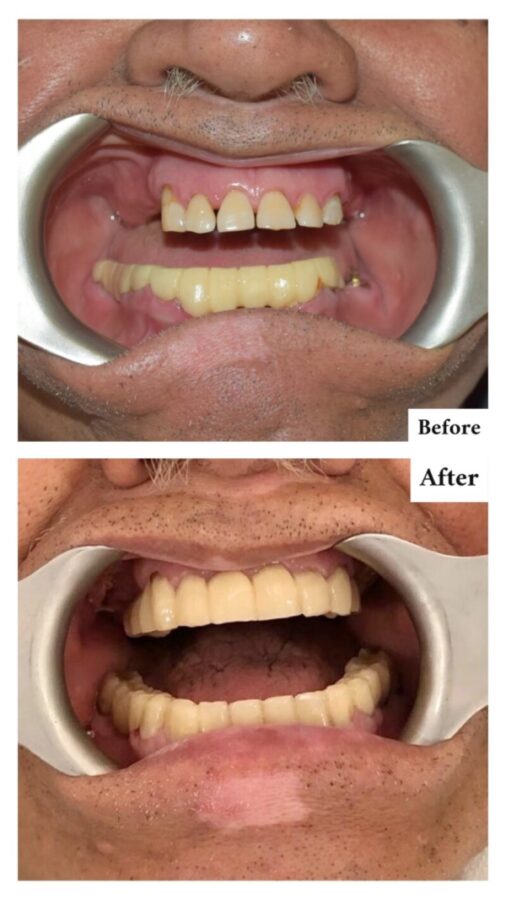
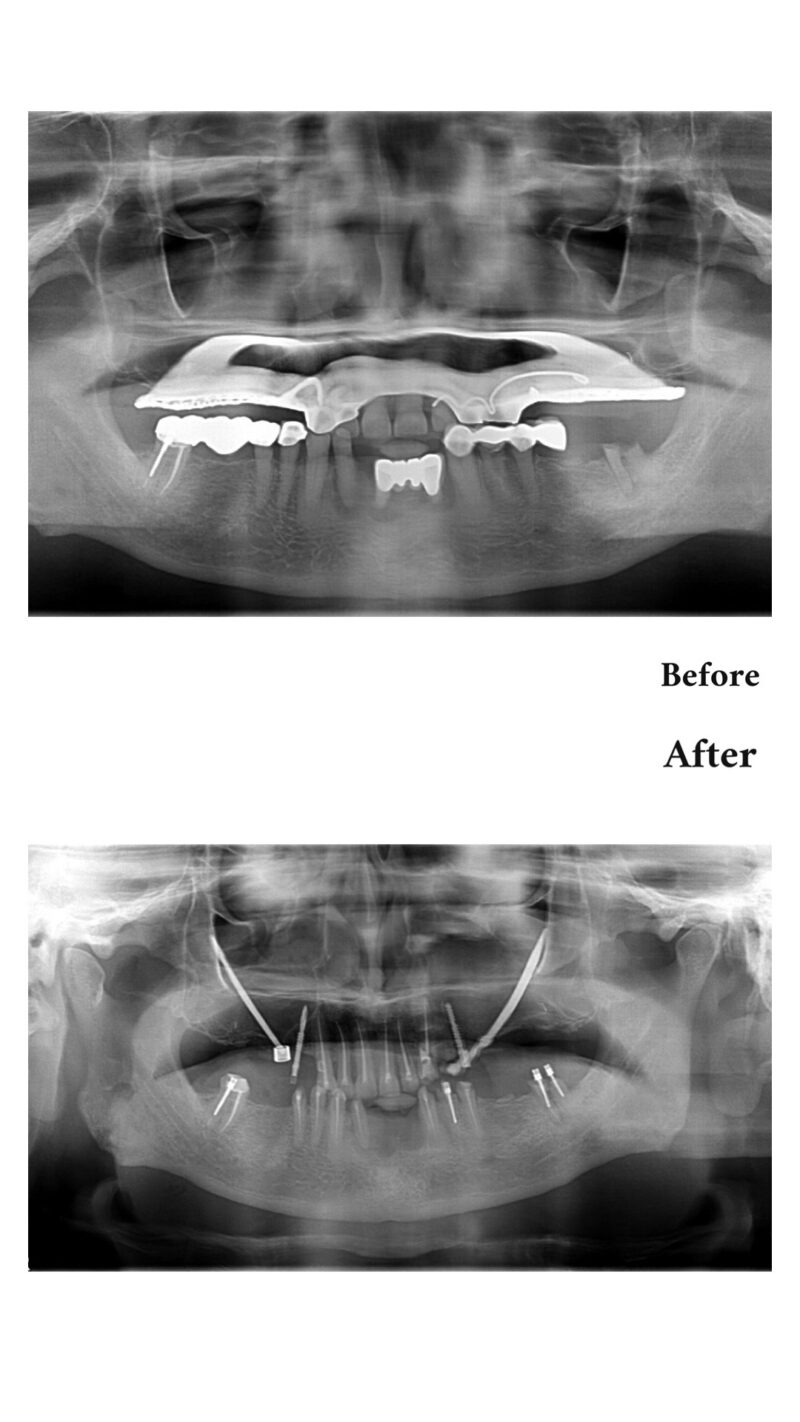
Patient review on the Treatment | for Dr Chirag Chamria
In zygomatic dental implant patients words, “I am coming to Royal Dental Clinics Since 2002. The treatment, diagnosis, doctors at Royal Dental Clinics are very helpful and caring. Dr. Chirag is an expert at what he does. I refer Royal Dental to all my relatives and friends for Implants treatment”.
Royal Dental Clinic’s Zygomatic Implant as noticed in 30+ cases is that; the improvement in quality of life for the patient is drastic. Dr. Chirag Chamria mentions that, “In my little experience, after the treatment quality of life can return to normal. It’s remarkable”.
Successful Innovation in Less Bone Zygomatic Implants
Zygomatic Implants plummeted success rate to an impressive 97% with their new, innovative techniques. Know more. Zygomatic Implants with SAPTeeth by Royal Dental Clinics, takes upto a few weeks to heal and several procedures are completed in one to two days. In most cases, Royal Implant provides same-day teeth with immediate loading of dental implants.
The quality of life improves a lot after the treatment as patients no longer have top deal with dentures or ‘no bone no teeth’.
Conclusion
A subtle smile is one of the most memorable features on a person. When we meet someone new, their smile can often leave an impression that lasts long after the introduction. Unfortunately, as we grow older, our natural facial structure begins to change and cause a less pronounced grin. The loss of volume in the cheek area is a common consequence of aging, leading many individuals to feel self-conscious about their appearance.
Less or No Bone? Get Dental Implant For Missing Teeth.
Fortunately for an 82-year old patient who sought out Dr. Chirag Chamria with concerns about his ageing appearance, cosmetic surgery could restore his natural smile once again. Dr. Chamria resolved this patient’s concerns with zygomatic implants and what you can expect from this procedure.
FAQs
1. Can an 82-year-old patient get zygomatic implants?
Yes, zygomatic implants may be possible for an 82-year-old patient if their overall health, medical history, jaw condition, sinus position, and oral hygiene are suitable. Age alone is not the only deciding factor; a detailed consultation and scan are important before treatment planning.
2. Why are zygomatic implants used in elderly patients?
Zygomatic implants may be considered when the upper jawbone is too weak or reduced for regular dental implants. They take support from the cheekbone and can help patients with severe upper bone loss, loose dentures, or long-standing missing teeth.
3. Are zygomatic implants safe for senior citizens?
Zygomatic implants can be safe for selected senior patients when planned carefully by an experienced implant surgeon. The dentist must check medical conditions, medicines, healing ability, bone condition, and possible surgical risks before advising treatment.
4. What can an elderly patient expect after zygomatic implant surgery?
Some swelling, soreness, bruising, and mild discomfort may occur after the procedure. These symptoms are usually managed with medicines, rest, post-treatment instructions, and follow-up visits as advised by the surgeon.
5. Can zygomatic implants help avoid dentures?
Yes, in suitable cases, zygomatic implants can support fixed teeth and may help patients avoid loose removable dentures. This can improve chewing comfort, speech, smile confidence, and daily quality of life.
6. Can same-day teeth be given with zygomatic implants?
Same-day teeth may be possible in selected zygomatic implant cases when implant stability, bite condition, gum health, and medical condition allow it. A CBCT scan, clinical examination, and treatment planning are required before confirming immediate loading.
7. How do I know if zygomatic implants are right for an elderly patient?
A consultation is required to check the patient’s upper jawbone, cheekbone support, sinus area, gums, bite, medical history, and current dentures or missing teeth. After evaluation, the dentist can explain whether zygomatic implants, regular implants, dentures, or another option is suitable.
Suggested Articles –
Medical Disclaimer
This article is for patient education only. Dental treatment should be planned after clinical examination, medical history review, and X-rays or scans where required. Treatment suitability, cost, timeline, healing, and results vary from patient to patient.