What Makes Titanium a Successful Implant Material is one of the most common questions patients ask before choosing dental implants. Titanium is widely used in implant dentistry because it is strong, lightweight, biocompatible, and can support long-term stability inside the jawbone. Dental implants have become a standard procedure for replacing missing teeth by Dentist in Mumbai. Although there have been advancements in materials and techniques, getting an implant isn’t easy. Many people struggle to find the right dentist and get through the process. The reasons are manifold but one of them is the discomfort that comes with having a foreign object stuck in your jawbone. Implant material plays an important role when choosing a dentist or surgical procedure. Let’s take a closer look at what makes titanium a success when it comes to dental implant materials.
Who is This Article For?
This article is for patients who are considering dental implants and want to understand why titanium is commonly used as an implant material. The blog helps patients understand why titanium is often preferred for dental implants because it is biocompatible, strong, lightweight, and able to bond with surrounding bone tissue.
What Makes Titanium a Successful Implant Material
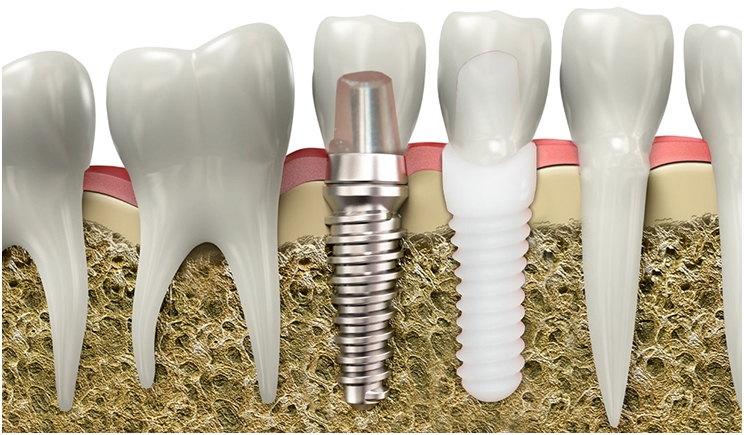
Titanium a versatile, biocompatible metal that used in several medical applications including dental implants. Unfortunately, it’s not the only material that can be used, but it’s the best in terms of its cost. It’s an important consideration before undergoing the procedure, particularly if you have dental insurance. The cost of titanium is significantly lower than the cost of other materials such as PEEK or Zirconia. The cost of titanium is, however, justified by its properties.
The implant must be strong, biocompatible, and capable of being shaped and formed during surgery. It must also be able to bond with the surrounding bone tissue. It’s strong and light, biocompatible, and forms strong bonds with bone tissue.
Titanium is light.
Titanium is a light, strong metal that’s used in many parts of modern industry. It’s used in the aeronautics, aerospace, and automotive industries. Its lightness is one of the reasons it’s a good choice for implants. The lighter the implant is, the less it disrupts the functioning of the jaw. It’s also stronger than other implant materials, which important because placed in a very sensitive area.
The jaws are responsible for holding the face together and chewing food. In order to function properly, the jaws balanced. Tiny muscles, ligaments, nerves, and bones hold everything in place and make chewing possible. The slightest disruption in their function can have severe consequences. The implant must be strong enough so that it doesn’t disrupt the natural balance in the jaw.
Anatomical shape of Titanium.
The anatomical shape of the implant is important for several reasons. First, it makes the surgery more precise and easier to perform. The implant placed exactly where it’s needed, and an excess amount isn’t necessary. This reduces the risk of complications and side effects. The anatomical shape also helps with the healing process. The shape of the implant allows the bone to heal around it naturally. This reduces the amount of time needed for complete healing. It also reduces the risk of complications.
The anatomical shape of the implant it can be placed in several places. Implants are often placed in more than one location. Sometimes necessary when there are no teeth left in the upper or lower jaw. One implant placed in the upper jaw, and another in the lower jaw. When no teeth present in either jaw, dental implants in both jaws. This way, teeth in the gaps, and the entire jaw together again. The anatomical shape of the implant makes it possible to place it on either side of the jawline.
Durability of Titanium Implants.
The durability of the implant is an important consideration. Some materials lose their strength over time, which can be problematic. Over time, the implant might lose its ability to bond with the surrounding bone tissue. This could cause the implant to break or fall out of the jawbone. Some research suggests that the implant will last for the rest of your life.
Other research suggests that the implant after 20 years or so. One reason for the uncertainty is that dental implants are a new technology. We don’t know how long they will last in the long run, and many things can affect their durability. The health of the patient, for example, can affect implant durability. The implant properly cared for. Many people are not careful when brushing their teeth. If you don’t take good care of your dental implant, it’s likely to wear out faster.
How long does it take to recover from surgery?
The time it takes to recover from a titanium implant depends on the surgical procedure and the health of the patient. Some people recover quickly while others might take several months. In general, the implant surgery less invasive procedure than getting a tooth removed and replaced with an implant. This means that the recovery process is likely to be quicker. The implant surgery might seem scary when you’re looking for a dentist. If you choose a good surgeon who uses the best material for the procedure, you’re likely to recover quickly.

Benefits of titanium, a successful Implant material
For example, it’s used in knee and joint replacements. Such uses require that the titanium be pure because impurities could be toxic. Pure titanium also flexible enough shaped during surgery. This makes easy to place the implant exactly where it’s needed.
Zirconia Dental Implant Success
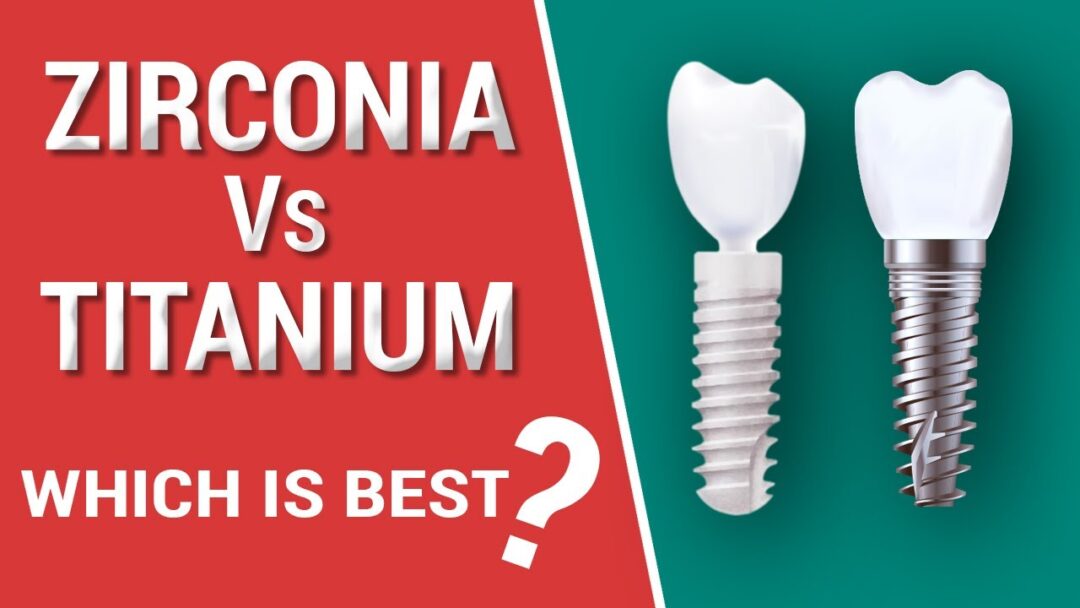
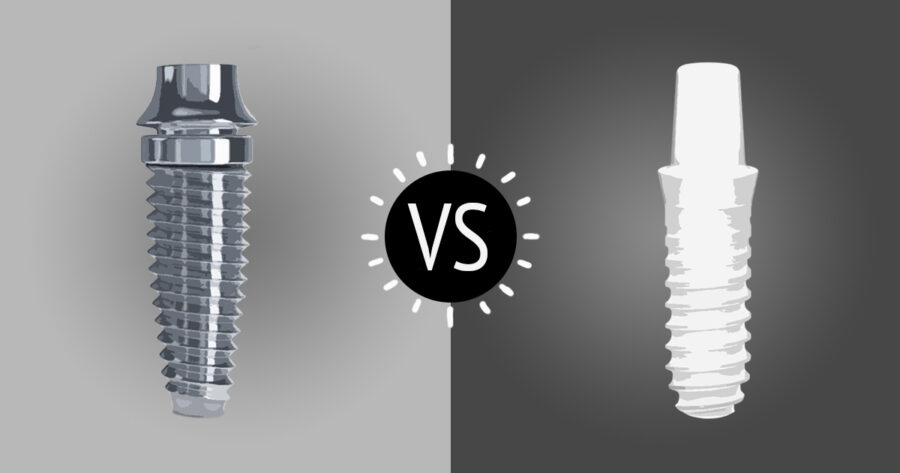
Zirconia is much more compatible to human tissues. The zirconia dental implants have low bacterial attraction. Zirconia has higher strength and decent fracture resistance. They hold up against wear and corrosion relatively well. Because the material can be easily coloured to match the patient’s natural tooth, they have excellent aesthetics, which can be especially crucial when replacing a front tooth.
Conclusion
When you choose a dentist to do your dental implant, you can ask them what type of metal they use. You’ll want to make sure that they are using pure titanium dental implants because it is the best material available for implants. Choosing the right implant material for you is an important decision. Discuss your options with your dental professional, and make sure you speak to your insurance provider as well in order to find a cost-effective option for your particular situation.
FAQs
1. Why is titanium used for dental implants?
Titanium is commonly used for dental implants because it is strong, lightweight, and biocompatible. It can support chewing pressure and can also bond with the jawbone during the healing process.
2. Is titanium safe inside the mouth?
Yes, titanium is generally considered safe for dental implant use. It is widely used in medical and dental treatments because the body usually accepts it well when proper diagnosis, planning, and hygiene protocols are followed.
3. Can titanium dental implants last for many years?
Titanium dental implants can last for many years when they are properly planned and maintained. Their long-term success depends on bone support, oral hygiene, bite force, gum health, medical condition, and regular dental follow-ups.
4. Can the body reject a titanium implant?
True rejection of titanium is uncommon, but implant failure can happen due to infection, poor oral hygiene, smoking, uncontrolled diabetes, weak bone support, or improper healing. A detailed dental evaluation helps reduce these risks.
5. Are titanium implants better than other implant materials?
Titanium is one of the most commonly used implant materials because of its strength, durability, and bone-bonding ability. However, the best material depends on the patient’s oral condition, treatment plan, and dentist’s recommendation.
6. Do titanium implants cause allergy?
Titanium allergy is rare, but patients with a known metal allergy or sensitivity should inform their dentist before treatment. The dentist may review the medical history and suggest suitable options after examination.
Suggested Article:
- Pros and Cons of Full Mouth Implants
- Difference between Crowns and Implants?
- Who is the Best Dental Implant specialist
Medical Disclaimer
This article is for patient education only. Dental treatment should be planned after clinical examination, medical history review, and X-rays or scans where required. Treatment suitability, cost, timeline, healing, and results vary from patient to patient.