
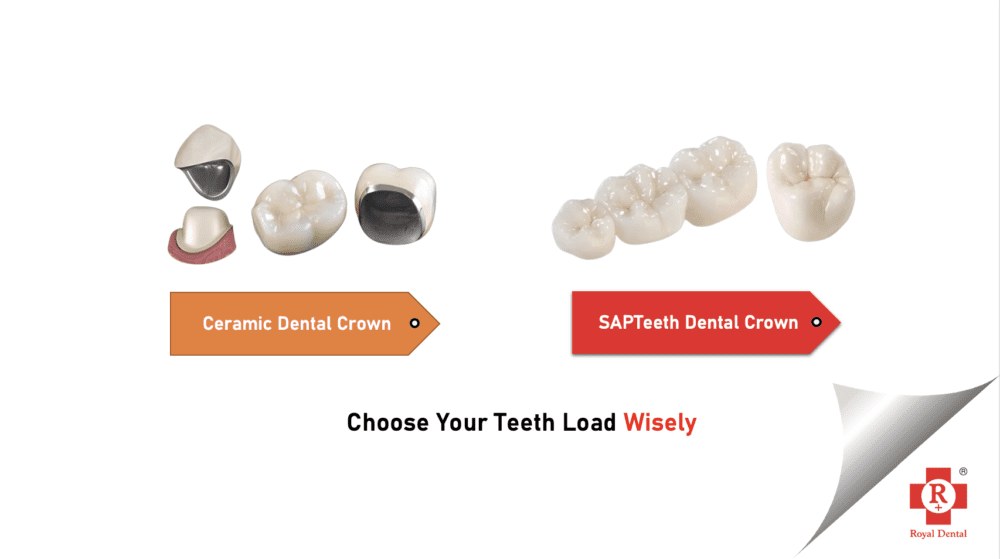
Choosing between SAPTeeth vs zirconia depends on the type of prosthesis, its design, your bite, the teeth it will meet and how it may need to be maintained. SAPTeeth is a polymer-based material, while zirconia is a ceramic; comparing them by hardness alone may not answer which is appropriate for a particular restoration. This guide explains how the materials differ, where they may be used and what patients should ask about repair, wear, maintenance and clinical evidence. The most suitable option depends on the specific prosthesis and the patient’s clinical assessment.
1. Flexibility: SAPTeeth Made for Natural Oral Movement
One of the key differences between SAP teeth and zirconia is the elasticity. SAPTeeth are produced out of high-impact, cross-linked acrylic polymers which enable them to be elastic under pressure. It has controlled flexibility, which assists in the absorption of chewing forces and the imitation of the natural path of the jaw. Zirconia, on the other hand, is a ceramic that is elastically inactive, which gives it high rigidity.
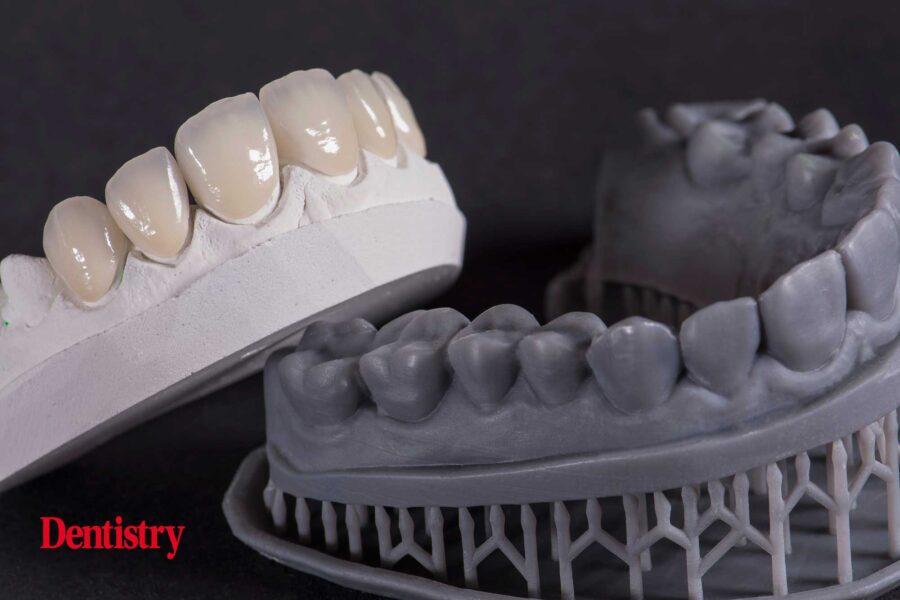
Why this matters: The mouth is not an static environment. Teeth are subjected to microscopic movements. SAP teeth are subjected to such forces while zirconia opposes them; instead, the stress might be transferred to the implant-supporting structure, denture base, or the opposing dentition.
2. Strength: Impact Resistance vs. Brittleness
Although zirconia can be termed “strong”, the strength is essentially in its compressive strength as opposed to durability. SAPTeeth have better resistance to impact, with a reduced susceptibility to breaking if they come into contact with a solid object, like if they are dropped. Zirconia is brittle with high hardness; that is, once its fracture limit is reached, rapid catastrophe will follow. The SAP’s polymer has stress-dispersing properties, as opposed to stress-concentrating Result: SAP teeth are more flexible in clinical practice, especially in removable prosthetics and in cases where there is a strong biting load.
3. Longevity: SAPTeeth Performance Over Time
“True longevity isn’t just about hardness: it’s about how materials hold up under real-world conditions.” The teeth in the SAPTeeth wear in a regulated and enamel-like way that keeps the occlusion in harmony. This helps to minimize both micro-fractures and stress-induced fatigue. The very high hardness of zirconia may also promote wear on opposing natural teeth or prosthesis surfaces. Additionally: SAP teeth can be easily adjusted, polished, or relined without affecting their strength. The adjustment in the zirconia ceramics can introduce surface flaws, which can lead to fractures.
4. Functional Compatibility with Dentures & Implants
SAPTeeth are highly compatible with acrylic denture bases and bond very well chemically. It prevents the debonding of teeth. Zirconia will either require mechanical retention or a bonding agent. This can fail after a while.
5. Patient Comfort and Biomechanics
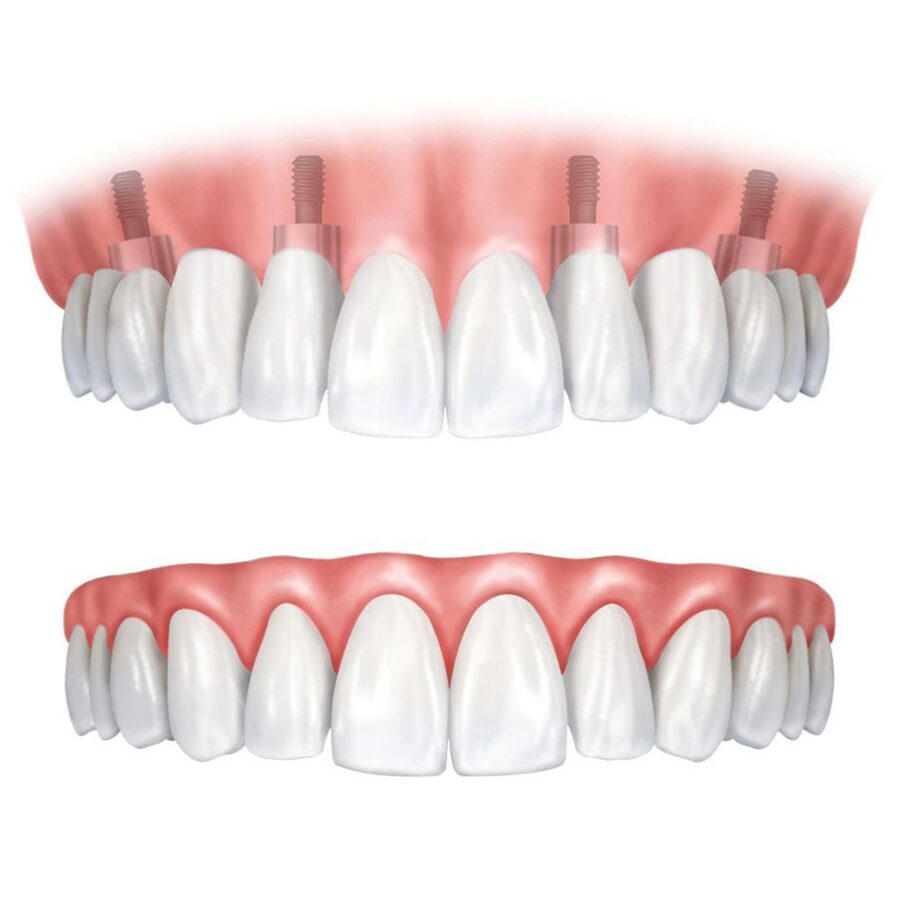
From a functional perspective: SAP teeth allow for better shock absorption, making it more comfortable during chewing. Force distribution is decreased to protect the jaw and related bones. Zirconia’s stiffness can feel unnatural in a removable or hybrid denture.
| PROPERTY | SAP TEETH (Synthetic Acrylic Polymer) | ZIRCONIA TEETH | CLINICAL SIGNIFICANCE |
| Material class | Cross-linked High-impact polymer | Polycrystalline Ceramic (Y-TZP) | Polymers and Ceramics behave very differently under load |
| Elastic modulus | Lower (more Elastic) | Very High (rigid) | SAP absorbs functional stress; Zirconia transmits it |
| Flexibility | Controlled Micro-flexure | Virtually None | Flexibility reduces Stress on implants, ridges, and denture bases |
| Compressive strength | Moderate–High | Extremely High | Zirconia excels only under pure Compression |
| Impact resistance | High | Low (Brittle) | SAP resists Fracture from drops and sudden forces |
| Fracture mode | Gradual deformation or Wear | Sudden Catastrophic fracture | Predictability Favours SAP in Removable prosthetics |
| Wear behavior | Enamel-like, Controlled wear | Minimal self-wear, High antagonist wear | Zirconia can damage Opposing natural teeth |
| Stress distribution | Even Stress Dispersion | Stress Concentration | Reduces Mechanical failure in SAP systems |
| Bonding to Acrylic base | Chemical + Mechanical bond | Primarily Mechanical | SAP shows Lower Debonding rates |
| Adjustability | Easy to Grind, Polish, re-shape | Risk of Micro-Cracks after adjustment | Chairside Modification safer with SAP |
| Long-Term occlusal harmony | Maintains Balanced occlusion | Can Disrupt Occlusion over time | SAP adapts better in Dynamic systems |
| Indicated use | Dentures, Hybrids, Implant overdentures | Fixed Restorations, Crowns | SAP better suited for high-stress Removable cases |
Conclusion
Although zirconia stands out in terms of hardness and appearance for fixed prostheses, the SAP teeth demonstrate superior flexibility, strength of function, and durability when contrasted with zirconia, especially for dentures in a stressful intra-oral environment. Their capacity for force absorption, impact resistance, and biomechanics adaptation gives the SAP teeth a greater role in denture efficacy.