
Dental implants have revolutionized the field of dentistry, offering a durable and natural-looking solution for individuals with missing teeth. However, smoke after dental implant surgery can significantly affect the healing process and increase the risk of implant failure, making proper post-operative care essential for long-term success. Dental implants are artificial root made of titanium or its alloys or ceramic etc which is installed into the gum-line to keep the structure of the remaining teeth and to keep natural chewing and biting intact.
Dental implant treatment helps replace the root area of the missing tooth with metal, screw-like posts in which the artificial tooth can be implemented. The artificial teeth look just like natural teeth, so this type of surgery can be a great alternative to wearing dentures or having ill-fitting bridgework done. In this article, we will explore the intricate relationship between smoking and dental implants, shedding light on the potential risks and consequences for oral health.
Who is this article for?
This article is for patients who smoke or use tobacco and are planning dental implant treatment, have recently undergone implant surgery, or are worried about implant healing and failure risk. It is especially useful for patients considering single implants, multiple implants, full mouth implants, same-day fixed teeth, bone grafting, or implant-supported bridges. The article helps patients understand how smoking can affect blood flow, gum healing, bone healing, infection risk, osseointegration, and long-term implant maintenance, and why discussing smoking habits honestly with the dentist is important before and after implant treatment.
Possible Medical Conditions Where You Should Not Smoke
Smoking after dental implant surgery is a major concern because smoking is a well-documented risk factor for numerous medical conditions, affecting virtually every organ system in the body. The harmful substances present in tobacco smoke can delay healing, reduce blood flow, and increase the risk of implant failure. In addition to impacting oral health, smoking can lead to a wide array of health issues, ranging from cardiovascular diseases to respiratory disorders and many other serious conditions.
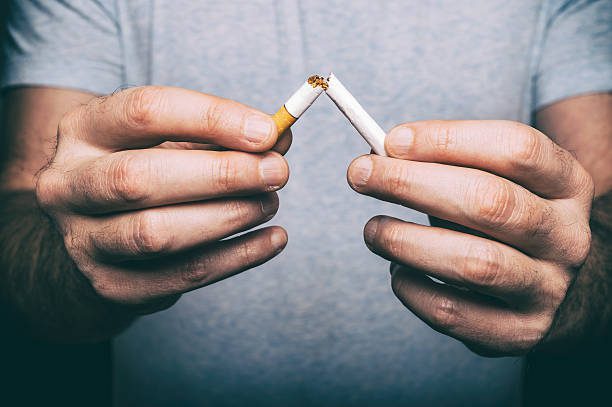
Smoking after dental implant surgery can significantly increase the risk of complications because smoking is associated with a myriad of detrimental health conditions that affect nearly every aspect of the body. It significantly elevates the risk of cardiovascular diseases, contributing to atherosclerosis, high blood pressure, and an increased likelihood of heart attacks and strokes. Respiratory disorders, including chronic bronchitis and emphysema, are prevalent among smokers due to the damage inflicted on the lungs. Moreover, smoking is a leading cause of various cancers, affecting not only the lungs but also the mouth, throat, esophagus, and other organs.
Tobacco use can also result in reproductive complications, dental and oral health problems, delayed wound healing, and a higher risk of dental implant failure. Quitting smoking is crucial for improving overall health, supporting successful implant recovery, and reducing the risk of life-threatening conditions. Seeking professional support and utilizing smoking cessation resources are essential steps toward breaking the smoking habit and ensuring the long-term success of smoking after dental implant recovery.
Smoke After Dental Implant: What You Need to Know
One of the most common reasons for the lack of success of dental implants attributed to several studies is; SMOKING. Smoking aids in obstructing blood flow to the gum region and decelerates the curing process. According to studies, smokers can have a dental implant failure rate of up to 20%! You may have a far better outcome if you stop smoking one week before an implant and if you don’t smoke for a minimum of two months after implant placement.
At Royal Dental Clinics, We Provide Same Day Dental Treatment With Dental Implants.
All factors are neither on top of things of the dental implantologist nor the patient. Experience shows excellent success even when the above-stated factors aren’t favorable; while in conditions when all the aforesaid factors are favorable still there are failures. Therefore almost every event the success rate of dental implants is very high at over 90% over a 10-year period. But when you smoke after a dental implant; these numbers are no more of any relevance as the success rate dips.
SAPTeeth Dental Crown
Recently researchers have identified the importance of the success of dental implants due to the advent of the revolutionary SAPTEETH (Shock absorbable permanent teeth) technology. The occlusal surfaces like enamel in citizenry have a hardness ranging between 350 to 450 mpa. Hence the load on the dental implants, and bone underneath the teeth crowns thanks to these materials is nearly 24 to 149 times higher in comparison to recently introduced revolutionary materials like hi-impact polymer composites having a hardness of only 120 mpa.
With technological advancements, these polymers have excellent chewing efficiency and have wear-off capabilities to last for 9+ years in normal conditions. SAPTeeth may even do wonders for smokers as the repairs for wear and tear are much simpler.
Factors That Affect the Success of Dental Implants Other Than Smoking!
❌ Poor Oral Hygiene
One of the factors that affect the success rate of implant procedures is the inability to practice good oral hygiene after a dental implant. If you’ve got limitations that affect the motion or interfere with the ability to clean your teeth. With a smoker, this condition can worsen the success rate of a dental implant.
❌ Medical Conditions
There is no risk-free level of smoking after implant surgery. Your dentist may advise you to stop before and after treatment, especially during healing.
❌ Insufficient Jaw Bone
In the absence of healthy bone, the surgeon cannot surgically place the implant into your jaw. A successful procedure additionally hooked into sufficient bone to support the implant. Bone loss can happen with osteoporosis. This condition develops when bone density decreases. Bones are brittle and there’s an increased risk of fractures. Smoking affects the body’s ability to absorb calcium; leading to lower bone density and weaker bones.
❌ Gum Disease
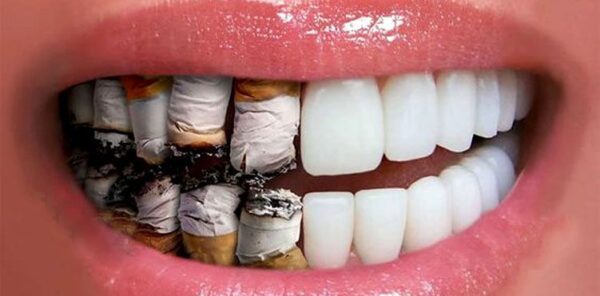
Gum disease is an infection that damages the gums and jaw bone. An untreated infection could develop around the implant and cause failure. People who smoke are more likely to produce bacteria, which leads to gum diseases. These gums are further affected because smoking causes a lack of oxygen in the bloodstream, so the infected gums don’t heal.
Royal Dental Clinics – Highest Rated Dental Clinic in Mumbai
In order to overcome the factors affecting dental implants, maintaining good oral health is important. Hence you need to require care of your dental implants almost like your natural tooth. Every day brushing and flossing teeth are required twice. Smoking may not be completely stopped as it’s your personal call, but try and limit it.
Introducing “Smoking Cessation Program”
To quit smoking. A smoking cessation program enables one to intake cigarettes thereby lowering the risk of cancer and other serious health problems. Counseling, behavior therapy, medicines, and nicotine-containing products, such as nicotine patches, gum, lozenges, inhalers, and nasal sprays, may be used to aid in quitting smoking. Thus, This program uses the “five A’s” for smoking cessation:
- Ask (Identify patient’s tobacco intake)
- Advice (On association between oral diseases and smoking)
- Assess (Patients interest and readiness to participate in tobacco cessation)
- Assist (Use appropriate techniques to assist the patient in tobacco cessation)
- Arrange (Follow-up with the patient)
FAQs on Smoking After Dental Implant
1. Can I smoke after dental implant surgery?
Smoking after dental implant surgery is strongly discouraged, especially during the early healing phase. Smoking can reduce blood flow, delay wound healing, increase infection risk, and affect the way bone heals around the implant. If you smoke, speak openly with your dentist or oral surgeon before treatment so they can guide you on the safest timing, risks, and precautions for your case.
2. How does smoking affect dental implant healing?
Smoking can affect implant healing in several ways. It may reduce oxygen and blood supply to the gums and bone, slow tissue repair, increase plaque and gum inflammation, and interfere with bone healing around the implant. This can increase the risk of infection, delayed healing, peri-implantitis, bone loss, and implant failure. The risk may be higher in heavy smokers, patients with gum disease, poor oral hygiene, uncontrolled diabetes, or complex implant procedures.
3. When can I start smoking again after a dental implant?
There is no ideal or risk-free time to restart smoking after a dental implant. The safest advice is to stop smoking before treatment and avoid smoking during the healing phase for as long as possible. Many dentists advise avoiding smoking for several weeks to months after implant placement, depending on the surgery, bone condition, healing, and type of implant treatment. The exact recommendation should come from your treating dentist or oral surgeon after evaluating your case.
4. Can smokers still get dental implants?
Smokers may still be considered for dental implants in selected cases, but they must understand that smoking can increase healing and maintenance risks. The dentist may advise smoking reduction or cessation, gum treatment, improved oral hygiene, medical evaluation, CBCT scan where required, and more frequent follow-up visits. Implant treatment in smokers should be planned carefully and monitored regularly.
5. What can I do to improve implant success if I smoke?
The best step is to stop smoking before and after implant treatment. If quitting completely is difficult, discuss a smoking cessation plan with your doctor or dentist. Maintain excellent oral hygiene, avoid tobacco around surgery, attend all follow-ups, clean around implants carefully, control diabetes or other medical conditions, avoid heavy biting during healing, and report swelling, pain, bleeding, bad taste, pus, or implant looseness early.
Conclusion
Smoking after dental implant surgery can affect healing, increase infection risk, and reduce the long-term stability of implant treatment. Dental implants depend on healthy gums, good blood supply, bone healing, oral hygiene, bite control, and regular follow-up care. Smoking can interfere with several of these factors, especially during the early healing and osseointegration phase.
If you are a smoker and planning dental implants, do not hide this information from your dentist. A clear discussion helps the dental team plan your treatment safely, explain the risks, and guide you on smoking reduction or cessation before and after surgery. Quitting or avoiding tobacco during the healing phase can support better gum healing, bone response, and long-term implant maintenance.
© All rights reserved by Royal Dental Implants Pvt Ltd
Issued in public interest