
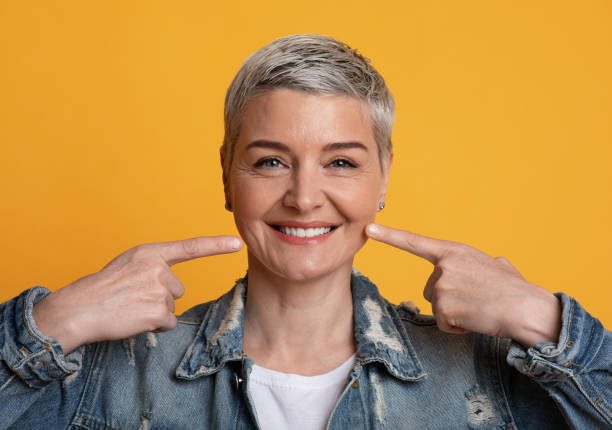
There are plenty of ways you can improve your smile. Cosmetic dentistry offers a variety of solutions that can make you more beautiful. With the help of cosmetic dentistry, it is possible to get a whiter, brighter, and healthier smile than you’ve ever had before. Whether it be veneers, teeth whitening, or braces – there are many reasons why you may want to learn more. Cosmetic dentist provide range from simple bleaching to advanced dental crowns. Let’s take a look at what cosmetic dentistry has to offer!
Who Is This Article For?
- People unhappy with their smile
- Patients considering cosmetic dental treatments
- Individuals with stained, chipped, or uneven teeth
- Anyone interested in smile enhancement
- Patients exploring aesthetic dental procedures
What is Cosmetic Dentistry?
As you may have guessed, cosmetic dentistry is dentistry that is focused on improving the appearance of your teeth, gums, and surrounding areas. Cosmetic dentists specialize in procedures like teeth whitening, tooth reshaping, tooth bonding, gumline reduction, and many more to help you get the smile you’ve always wanted. Cosmetic dentists can help you with everything from improving your smile to correcting the alignment of your teeth. These dentists often assist people who have teeth that are misshapen, discoloured, stained, or have gaps between them.
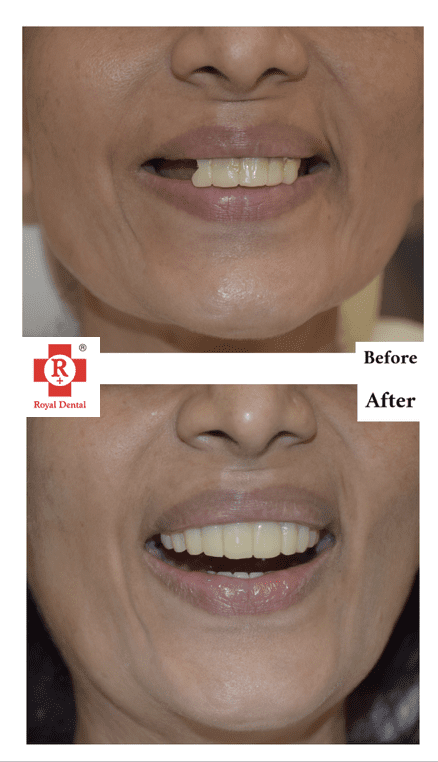
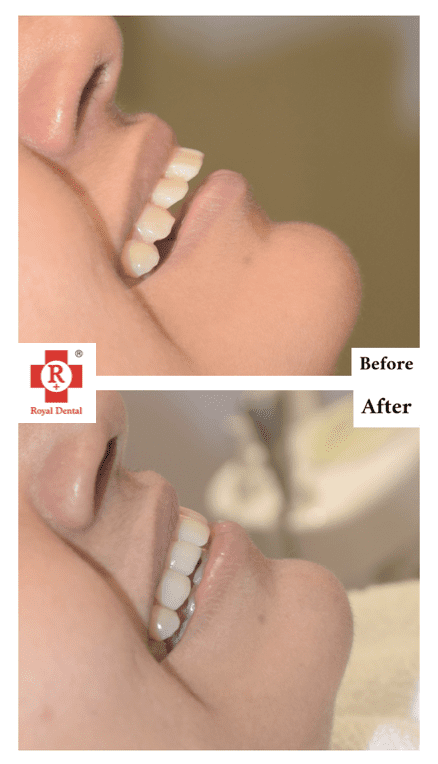
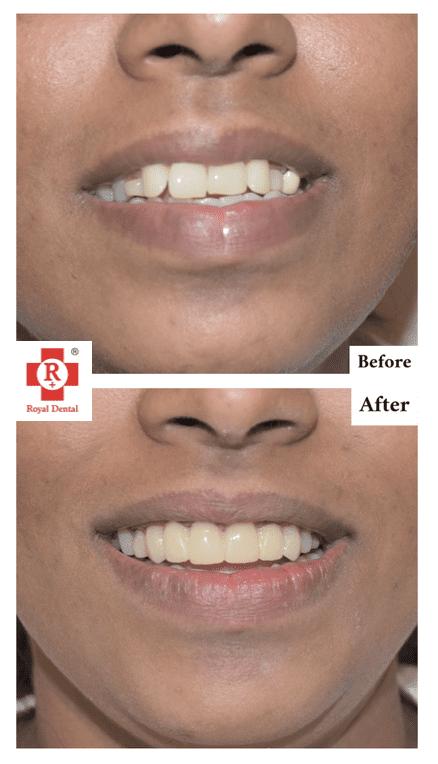
Cosmetic dentistry is also helpful in cases where someone has experienced trauma to their teeth. It can help people who have braces, have lost teeth, or have had teeth knocked out. Cosmetic dentists can even assist people who have had previous dental work done that didn’t turn out as planned. Cosmetic dentistry can correct most issues that involve teeth, gums, and the surrounding areas.
Cosmetic Dentistry Can Improve Smile Appearance
Cosmetic dentistry can address concerns involving tooth colour, shape, size, spacing, alignment and symmetry. Depending on the diagnosis, treatment may include whitening, composite bonding, veneers, orthodontic alignment or tooth-coloured restorations. The objective should be a natural-looking smile that complements the patient’s face rather than making every tooth appear identical. Photographs, digital planning and trial restorations may help the patient and dentist discuss realistic expectations.
For some patients, improving a concern that has caused embarrassment may increase confidence when smiling or speaking. However, emotional and social benefits vary, and no cosmetic treatment should guarantee a particular psychological outcome.
Invisalign Braces
If you’ve ever had braces, you’ll know that they can be difficult to deal with. Visible braces can also be embarrassing at times, such as when you’re eating in public. Invisalign braces are clear braces designed to help you achieve a straight smile without having to deal with visible braces. Invisalign braces are made of a special kind of plastic that has been approved by the Food and Drug Administration (FDA). This type of plastic is safe to be worn in your mouth, and it can be removed at any time.
Depending on the severity of your orthodontic problem and your desired outcomes, you may only need a certain amount of time wearing Invisalign. Invisalign is a great solution for teens and adults who want to straighten their teeth but don’t want to deal with the embarrassment of visible braces. Cosmetic dentistry can help you.
Teeth Whitening
Some people have teeth that turn a shade of yellow or brown over time due to factors such as diet, genetics, and age. Teeth whitening can be done in-office or at home. Either way, it can be a great way to improve your smile. You can take your smile from average to awesome with teeth whitening! A dental hygienist can perform teeth whitening at your next cleaning appointment.
During this appointment, your hygienist will apply a special gel to your teeth. The gel will contain a whitening agent that is activated when the hygienist uses a special light. Teeth whitening can also be done at home using a teeth whitening kit. These kits contain a special gel that you apply to your teeth. The gel works by removing a thin layer of surface enamel from your teeth. Once the gel has been on your teeth long enough, it can be rinsed off with water. The teeth whitening process can take anywhere from one to two hours to complete.
SAPTeeth Crowns & Veneers
If you have a tooth that has been damaged by decay or injury, you may have to have it removed. Having a tooth removed can be a difficult decision to make, but it is often necessary for your overall dental health. If you lose a tooth, it’s important to replace it with a dental prosthetic that is similar in appearance to the other teeth. A dental prosthetic is commonly referred to as a “bridge.” Crowns and veneers are two types of dental prosthetics that can be used to replace a tooth. Cosmetic dentistry can help you.
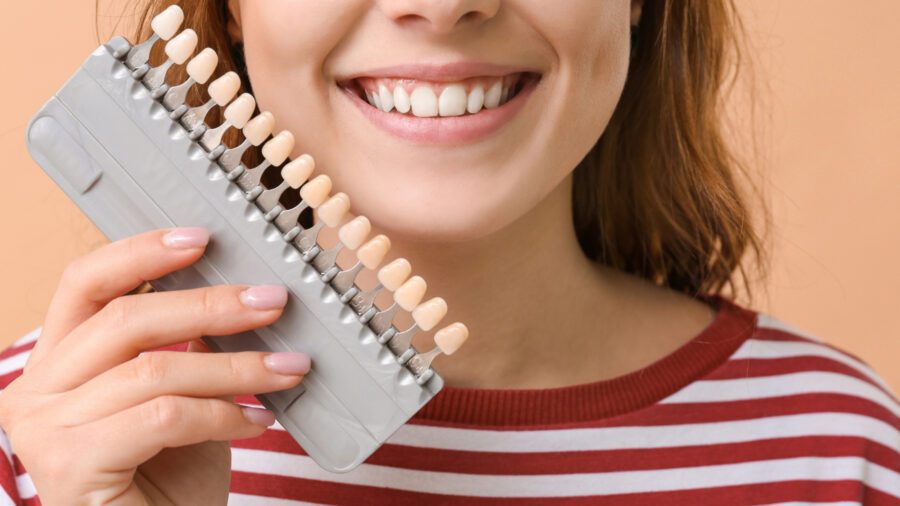
Crowns are similar to the caps that are placed on the ends of your teeth. The Crowns can be used to protect decayed teeth from further damage. Crowns can also be used to make your teeth appear larger. Veneers are thin pieces of porcelain that are bonded to the front of teeth Veneers are often used to improve the appearance of teeth that are severely stained or are uneven.
Short and long-term Benefits of Cosmetic Dentistry
While some dental procedures may seem to be only for cosmetic reasons, rest assured that they can also help you prevent future issues. Teeth whitening, for example, can be used to correct discoloration and staining caused by certain foods. Crowns can be used to cover up teeth that have been badly damaged by cavities. In the long run, cosmetic dentistry can benefit your health by improving your oral hygiene. Having your teeth properly aligned and maintained can help you avoid many issues that could arise due to poorly-maintained oral hygiene. Improving your smile can help you feel confident about yourself and your dental health.
Some Treatment Restore Both Appearance and Function
Not every procedure associated with cosmetic dentistry is performed only for appearance. Composite bonding may repair a chipped tooth, while a carefully planned crown can rebuild a tooth weakened by decay, a large filling or wear. Orthodontic treatment can improve tooth position and bite in suitable cases. Replacing selected missing teeth can restore smile continuity while also supporting chewing and speech. However, crowns and veneers do not replace missing teeth. A bridge, implant-supported restoration or removable prosthesis may be used when teeth are absent. Crowns can improve the strength, function and appearance of badly damaged teeth, although tooth preparation is required.

Conservative Planning Can Preserve Natural Teeth
A cosmetic smile makeover should not automatically involve crowns or veneers on every visible tooth. The dentist should first evaluate the gums, enamel, bite, existing restorations and position of the teeth. In selected cases, cleaning, whitening, alignment and limited bonding may provide improvement while preserving more natural tooth structure. Whitening can lighten natural teeth without removing tooth structure, but it does not alter the colour of crowns, veneers or fillings and may cause temporary sensitivity. Veneers and crowns may be appropriate when teeth have significant discolouration, wear, fractures or structural damage. Their benefits, limitations, maintenance and irreversible aspects should be explained before treatment.
Conclusion
Choosing the right cosmetic dental treatment begins with a comprehensive dental evaluation and personalised treatment planning. Whether you are interested in professional teeth whitening, veneers, bonding, crowns, orthodontic correction, or a complete smile makeover, consulting an experienced cosmetic dentist ensures that both aesthetics and long-term oral health are considered. A healthy, confident smile can have a positive impact on your appearance, communication, and overall quality of life.
Frequently Asked Questions
What are the benefits of cosmetic dentistry?
Cosmetic dentistry can improve the appearance of your teeth, enhance smile aesthetics, boost self-confidence, restore damaged teeth, improve tooth shape and alignment, and in many cases support better oral function.
What treatments are included in cosmetic dentistry?
Common cosmetic dental treatments include professional teeth whitening, porcelain veneers, composite bonding, ceramic crowns, orthodontic treatment, smile makeovers, and dental implants where appropriate.
Is cosmetic dentistry only for appearance?
No. While cosmetic dentistry focuses on improving aesthetics, many treatments also strengthen damaged teeth, restore function, and contribute to long-term oral health.
How long do cosmetic dentistry results last?
The longevity of cosmetic dental treatments depends on the procedure performed, oral hygiene practices, lifestyle habits, and regular dental maintenance. Many treatments can last for several years with proper care.
Who is a suitable candidate for cosmetic dentistry?
Anyone with healthy teeth and gums who wishes to improve the appearance of stained, chipped, worn, uneven, or misaligned teeth may be a suitable candidate. A comprehensive dental examination helps determine the most appropriate treatment options.
Is cosmetic dentistry only about appearance?
No. Some treatments can also repair damaged teeth or improve function. However, purely cosmetic treatment should not be presented as medically necessary when it is not.
Which cosmetic treatment is the most conservative?
This depends on the concern. Whitening, orthodontic alignment and limited composite bonding may preserve more natural tooth structure than extensive crown preparation in suitable cases.
How long do cosmetic dental results last?
Longevity depends on the procedure, material, bite, oral hygiene, diet and habits such as grinding or smoking. Cosmetic restorations may require maintenance, repair or replacement.