
How can a cosmetic dentist fix your teeth? A cosmetic dentist can improve the appearance of your smile by addressing concerns such as stained, chipped, uneven, worn, or mildly crooked teeth. Depending on your individual needs, treatment may include professional teeth whitening, dental veneers, cosmetic bonding, clear aligners, dental crowns, or a personalised smile makeover. The goal is to create a healthy, balanced, and natural-looking smile while preserving as much of your natural tooth structure as possible.
Who Is This Article For?
- Individuals unhappy with the appearance of their smile
- People with stained, chipped, or uneven teeth
- Patients considering cosmetic dental treatment
- Adults interested in smile makeovers
- Anyone looking to improve their confidence through cosmetic dentistry
What can a Cosmetic Dentist fix?
One of the most common questions that people have about cosmetic dentistry it can change the your teeth. The answer is pretty much anything – yes, even if you have really discoloured tooth that are badly stained. The limitations of cosmetic dentistry treatment are really only in the imagination of the dentist and in your budget. There are a few issues that a cosmetic dentist will not be able to fix for you, though, such as tooth decay, tooth sensitivity, excessive tooth grinding, and missing teeth.
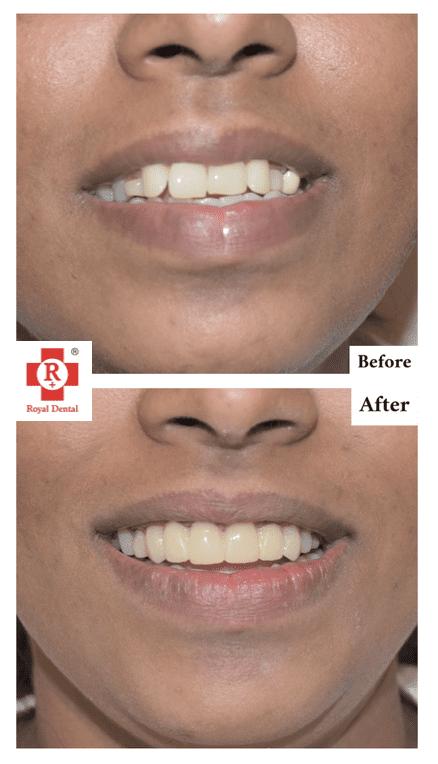
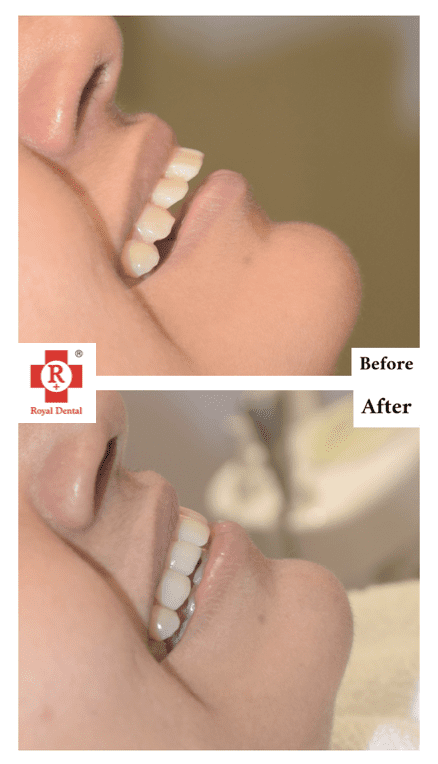
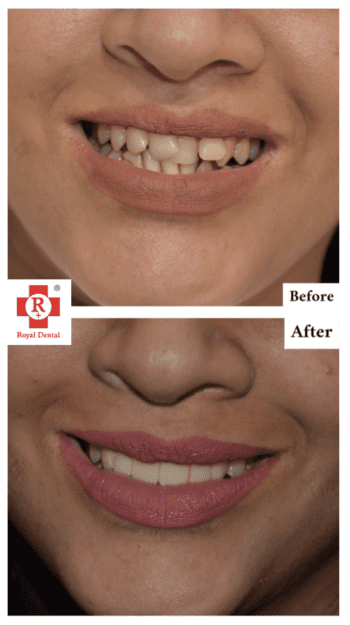
Cosmetic dentistry can improve the colour, shape, size, alignment and overall balance of a smile. It may help patients with stained teeth, small gaps, chipped enamel, uneven edges, worn teeth, mild crowding, missing teeth or an irregular gum line.
The most suitable treatment depends on the cause and severity of the concern. Before recommending cosmetic treatment, the dentist should examine the teeth, gums, bite and supporting bone. Cavities, gum disease, infection and uncontrolled tooth grinding should generally be managed before completing elective cosmetic procedures.
Cosmetic Dentistry Treatment Options
Where there are cosmetic dentists, there are also cosmetic dentistry options. A cosmetic dentist can help you with a great many things, including:
- Teeth Whitening – If your teeth are discolored or stained, you may want to consider teeth whitening from a cosmetic dentist. A teeth whitening treatment from a cosmetic dentist will be significantly stronger than the DIY kits you can purchase at the store, and it will likely last a lot longer than at-home teeth whitening.
- Dental implants – If you are missing a tooth or several teeth, a cosmetic dentist can help you replace them with dental implants. Dental implants are artificial teeth that are embedded in your jawbone to provide support for a dental bridge or dentures.
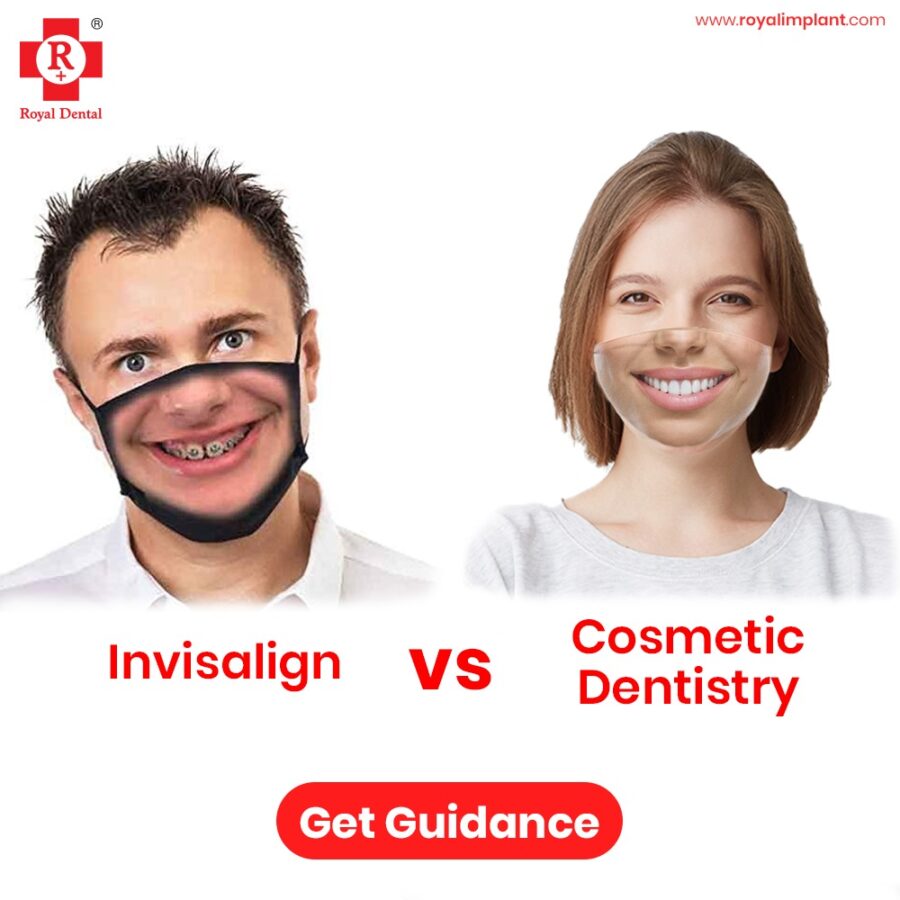
- Fixed teeth – If you have misaligned teeth, a cosmetic dentist can help you fix them with either cosmetic dentures or cosmetic crowns. Cosmetic dentures are natural-looking false teeth that are designed to fit your individual mouth. Cosmetic crowns, on the other hand, are caps that are placed on your natural teeth to restore them to their original shape and size.
- Fixed teeth with cosmetic crowns or veneers – If you have severely stained or crooked teeth, a cosmetic dentist may recommend fixing them with a cosmetic crown or veneer. A cosmetic crown is cap that is placed on your tooth to restore it to its original shape and size. A cosmetic veneer is a thin cap that is placed over your tooth to change its shape and/or color.
Teeth Whitening
Teeth whitening is one of the most common treatments, and it can be done in a variety of ways. The most common method of teeth whitening is done in a dental office, and it involves the application of a special chemical solution to the tooth surface that causes the teeth to bleach. Other options for whitening your teeth include teeth whitening kits, laser whitening, or Zoom whitening. It’s important to read the instructions carefully and follow them as directed in order to avoid damaging your teeth.
Dental Implant with Fixed Teeth
If you are lacking with teeth due to decay, or infection, dental implant can be used to fixed bridge. An implant functions like root for a tooth, and it can be used to hold a replacement tooth in place. Dental implants are surgically placed into the jawbone, and they fuse with the bone over time. This prevents the teeth from moving or shifting out of place, and it makes them easier to clean.
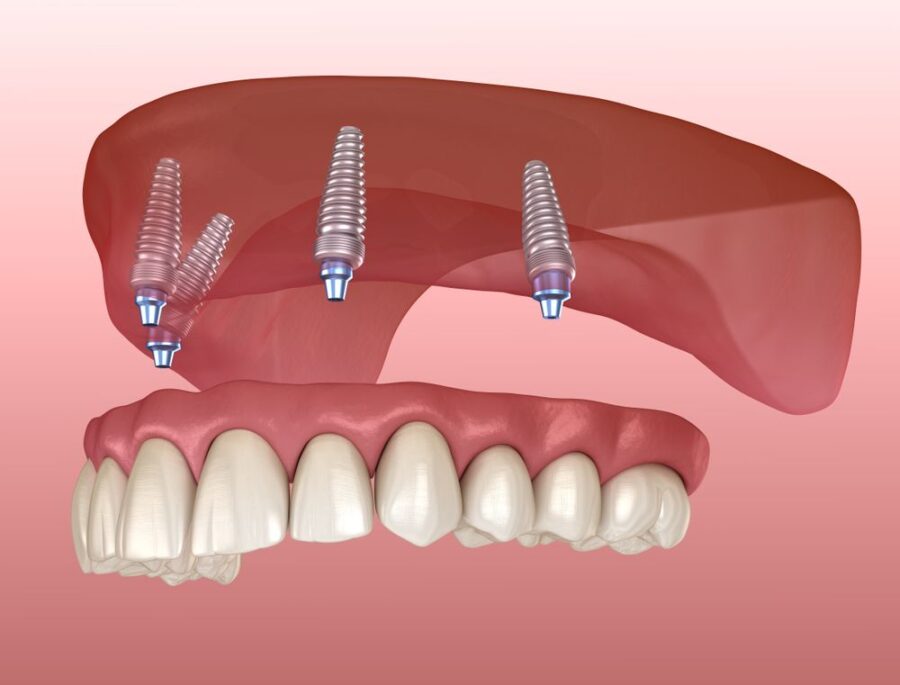
Depending on the severity of your tooth loss, dental implants can be used to support single tooth to fixed bridge. When you visit the dentist for a consultation, they’ll be able to let you know how many dental implants they think you’ll need and where they will go. Depending on the type of implant, you may need one – two days to get the entire treatment completed with SAPTeeth.
Fixed teeth with Cosmetic Crowns or Veneers
If you have severely discolored or stained teeth, cosmetic dentist may recommend fixing them with a cosmetic crown or veneer. A cosmetic crown is cap that is placed over your tooth to restore it to its original shape and size. A cosmetic veneer is a thin cap that is placed over your tooth to change its shape and/or color.
Your teeth are discolored, you might consider getting a dental crown or veneer. If you have a single tooth that is discolored, you’ll likely need a single crown. If you have discoloration on multiple teeth, though, you may want to consider getting veneers placed on these teeth. Both veneers and crowns are designed to cover the entire visible tooth surface, covering and correcting teeth discoloration.
Depending on the type and severity of your discoloration, your cosmetic dentist may recommend using porcelain dental crowns or veneers. Porcelain is a type of dental restorative material that is designed to look like tooth enamel. The dentist will likely give you a mouthguard to wear while you sleep. This will help prevent you from grinding your teeth and damaging the crowns or veneers.
Stained or Discoloured Teeth
Professional teeth whitening may improve many surface stains and age-related colour changes. However, whitening does not change the shade of existing crowns, veneers, fillings or implant restorations. Deep internal discolouration, developmental enamel defects or a single dark tooth may require additional treatment such as internal bleaching, composite bonding, veneers or a crown. The most conservative effective option should be considered first.
Chipped, Uneven or Small Teeth
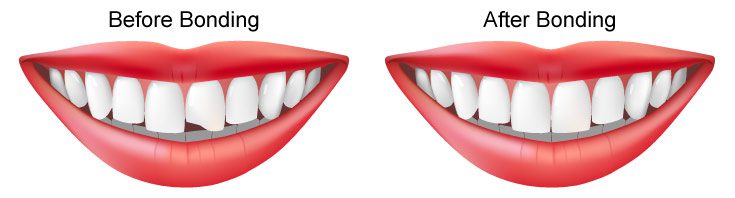
Composite bonding can repair minor chips, close small spaces and improve the shape of uneven teeth. Tooth-coloured composite is applied and sculpted directly onto the tooth, often with limited removal of natural enamel. Veneers may be considered when several front teeth require a more significant change in colour, shape or proportion. Patients should understand that some veneer preparations are irreversible and that restorations may eventually require maintenance or replacement.
Crooked Teeth and Gaps
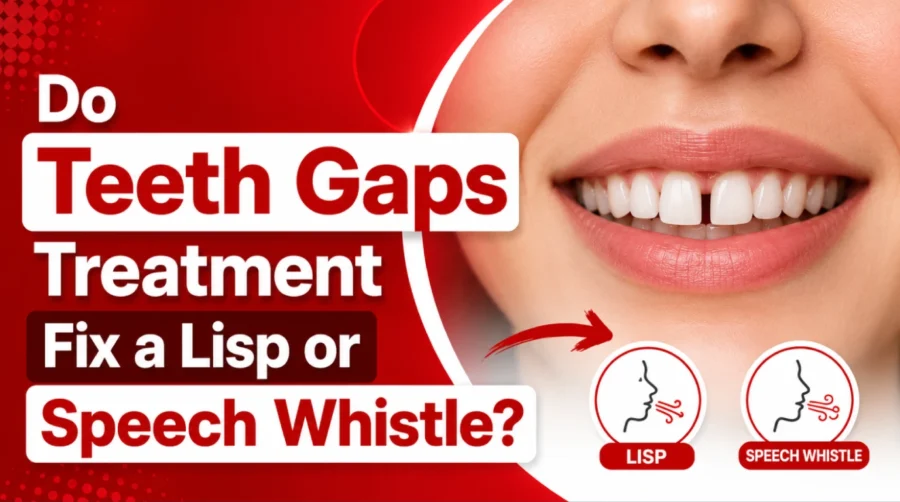
Clear aligners or conventional orthodontic treatment physically move teeth into improved positions and are generally preferred when alignment or bite correction is required. Minor gaps, small rotations or uneven tooth shapes may sometimes be visually improved using composite bonding or veneers. Cosmetic camouflage should only be selected when it does not create bulky teeth, damage healthy enamel or compromise the bite.
Worn, Cracked or Heavily Restored Teeth
Worn teeth may require bonding, veneers, onlays or crowns depending on how much tooth structure remains. The dentist must also identify why the teeth have worn down. Possible causes include grinding, acidic foods, reflux, an unstable bite or loss of posterior tooth support. Simply covering worn teeth without controlling the underlying cause may lead to repeated fractures or restoration failure. A protective night guard or bite correction may therefore be included in the treatment plan.
Gummy or Uneven Smile
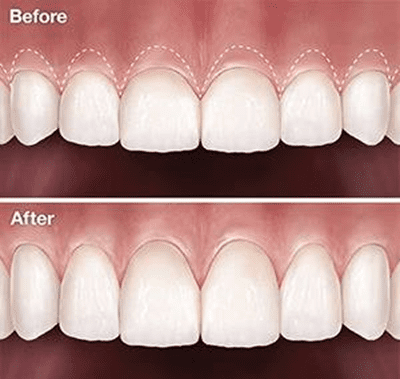
An uneven gum line or excessive display of gum tissue may sometimes be improved with gum contouring or periodontal treatment. Before reshaping the gums, the dentist should identify whether the concern is caused by gum position, tooth shape, lip movement or jaw relationships. More complex gummy-smile concerns may require a combined treatment approach rather than gum reshaping alone.
Choosing the Most Conservative Smile Makeover
A smile makeover should not automatically mean crowns or veneers on every visible tooth. In many cases, a combination of cleaning, whitening, orthodontics and limited bonding can produce a significant improvement while preserving more natural enamel.
The dentist should discuss photographs, digital smile planning, alternative treatments, maintenance requirements, costs and realistic limitations before beginning treatment. A natural-looking result should complement the patient’s face, age and personality rather than creating an identical smile for every patient.
Conclusion
Achieving a beautiful smile is about more than aesthetics—it can also improve self-confidence, support better oral function, and encourage long-term dental care. By combining advanced technology, evidence-based techniques, and personalised treatment planning, cosmetic dentistry can deliver predictable and lasting results. Choosing a qualified cosmetic dentist ensures that your smile enhancement is both attractive and clinically appropriate, allowing you to enjoy improved confidence and healthy teeth for years to come.
FAQs
How can a cosmetic dentist fix your teeth?
A cosmetic dentist can improve your smile through treatments such as professional teeth whitening, dental veneers, cosmetic bonding, clear aligners, crowns, and customised smile makeover procedures based on your oral health and aesthetic goals.
What problems can cosmetic dentistry correct?
Cosmetic dentistry can improve stained, chipped, cracked, uneven, worn, or mildly crooked teeth, close small gaps, and enhance the overall appearance of your smile.
Is cosmetic dentistry permanent?
Many cosmetic treatments provide long-lasting results, but their lifespan depends on the procedure, oral hygiene, lifestyle habits, and regular dental maintenance.
Will cosmetic dental treatment damage my natural teeth?
Modern cosmetic dentistry aims to preserve as much natural tooth structure as possible. Your dentist will recommend the most conservative treatment suitable for your needs.
Do I need healthy teeth before cosmetic dentistry?
Yes. Cavities, gum disease, infections, and other oral health problems should usually be treated before cosmetic procedures to achieve safe and long-lasting results.