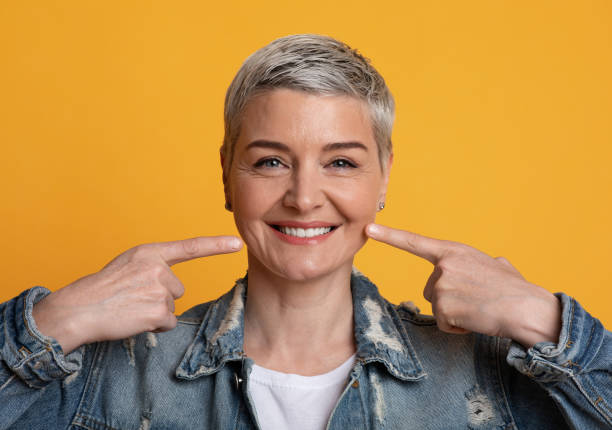


The simple answer is that there is no age at which routine dental care becomes unnecessary. Oral health needs continue throughout life, and regular dental examinations remain essential for preventing tooth decay, gum disease, oral cancer, tooth loss, and other age-related oral health conditions. Whether you are a child, an adult, or a senior citizen, maintaining lifelong dental care helps preserve healthy teeth, comfortable chewing, confident smiles, and overall well-being.
Who Is This Article For?
- Adults wondering if dental visits are still necessary
- Senior citizens
- Parents planning lifelong oral healthcare
- Individuals who have stopped routine dental check-ups
- Anyone interested in maintaining healthy teeth and gums throughout life
What Dental Care means to an adult
If you’re a child, you’re probably happy to see the dentist at least twice a year for regular cleanings. You don’t know any better, so why not just go to the dentist as often as possible? In adulthood, dental care becomes a different thing. It becomes something you have to do. Something you have to pay for. Something that kind of sucks. Sure, it’s necessary, but it also seems like one of those things that just happens automatically as you age. We become resigned to the fact that we’re going to have to have a dental visit every 6 months or so whether we want to or not.
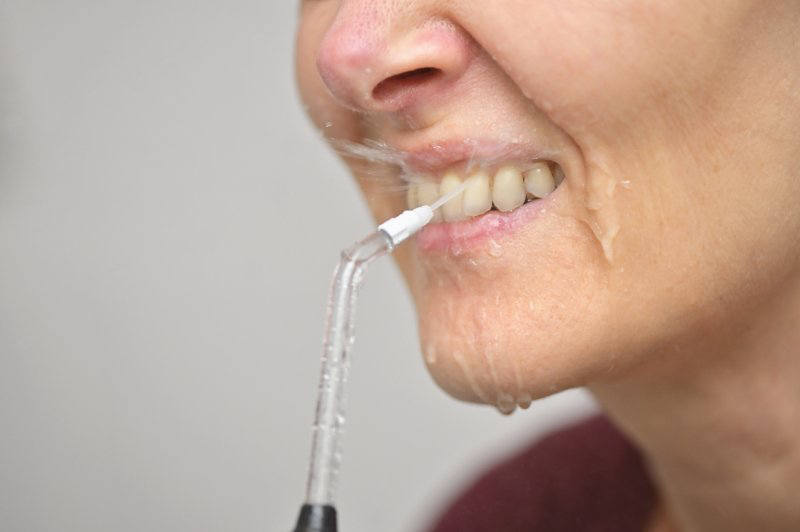
Committing to Dental Care without quitting
You’ve probably heard that you should commit to going to the dentist twice a year for a cleaning and an exam. That’s what the ADA recommends for people in their 20s and 30s. But once you hit your 30s, you’re supposed to commit to going twice a year for a cleaning and a checkup. What’s the difference? But really, there’s not much difference at all.
The only real difference is that it can be easier to find a dentist who will take you on as a new patient. That’s because once you hit your 30s, you can start getting cavities. They might not happen right away, but they can happen. And the only true way to prevent them is regular dental care.
Why you shouldn’t Quit having Dental Care
Here’s one benefit of regular dental care: You avoid having to get major dental work done. A lot of people our age have had a root canal, dental implants, or some other major dental work done. We’ve heard people talk about it with a grim look on their face and an ‘Oh man, dental work is no joke!’ kind of tone. That’s because they’d neglected their teeth for so long that they had to do major dental work to get back to normal.
Quit anything but Dental Care
There are a few things that should be included in any grownup’s life. But you shouldn’t be making a point of quitting these things! When you are young, things are fresh and exciting and it’s easy to want to be an adult. But as you get older and start to build a life for yourself, you might find yourself wanting to quit a few things you once enjoyed.
Having fun – Sure, you’re an adult now, and you have to work. But you can still have fun. After all, isn’t that why you’re working in the first place?
Having hobbies – While you’re an adult, you’ll have to get a job. That’s no secret. But you don’t have to give up the things you love. Whether you’re a writer, a painter, or a self-proclaimed ‘foodie’, you can still have a hobby.

Having a social life – When you’re younger, you’re in school and have plenty of friends. But as you get older, you might feel like you’re being forced to give up having a social life. You might want to start going out to bars or clubs.
Having a healthy diet – Your parents might have given you a healthy diet growing up. But as you get older, you might decide to stop being so careful with your eating.
Having time to yourself – You might find yourself constantly busy as you get older. You might work a few different jobs and have a family. You might feel like you don’t have enough time to yourself. But you should still try to make time for yourself. Why? Because you need time to relax. You need time to yourself so you can think about what you want for your future.
3 Habits that help maintain Teeth and Smile
Eat a balanced diet – You might want to start eating better. You might want to eat more vegetables or stop eating processed foods. That’s fine. But make sure that you’re eating a balanced diet. You don’t want to cut out too many things and start getting malnutrition!
Drink more water – You’ve heard this since you were a kid. But now, it’s more important than ever! Water keeps your mouth clean and helps to prevent cavities. It also cleans out toxins in your body that could make you sick. –
Brush and floss regularly – You should be doing this anyway. But as you get older, it’s even more important. Start taking care of your teeth.
Is There an Age When Dental Care Is No Longer Needed?
There is no particular age at which a person should stop receiving dental care. Teeth, gums, dentures, implants and oral tissues continue to require examination throughout life. Even a person who has lost all natural teeth can develop denture-related sores, dry mouth, fungal infection or suspicious changes affecting the lips, tongue and oral tissues. Dental care therefore continues to be relevant even when no natural teeth remain.
The frequency of appointments should depend on individual needs rather than age alone. A healthy older adult may require routine preventive reviews, while someone with gum disease, implants, dry mouth or extensive restorations may require closer monitoring. Older adults continue to experience tooth decay, gum disease, dry mouth and oral-cancer risk and benefit from appropriate ongoing care.
Why May Dental Problems Increase With Age?
Age itself does not automatically cause tooth loss. However, the effects of previous disease, older restorations, gum recession and long-term wear can become more noticeable over time. Several medicines can reduce saliva, increasing the risk of root decay, mouth discomfort and difficulty wearing dentures. Arthritis, reduced vision or limited hand movement can also make brushing and cleaning between the teeth more difficult. Older adults may therefore require adapted toothbrushes, caregiver support, fluoride treatment, dry-mouth management or more frequent professional cleaning.
How Does Dental Care Change for Older Adults?
Dental treatment should be adjusted according to the patient’s medical health, medicines, mobility, chewing needs and personal priorities. The aim may be to preserve natural teeth, maintain comfortable dentures, support nutrition and prevent pain or infection. A dental review may include:
- Examination of teeth and gums
- Review of existing crowns, bridges and implants
- Denture fit and hygiene assessment
- Dry-mouth evaluation
- Oral-cancer examination
- Discussion of medicines and medical conditions
Conclusion
Lifelong dental care is an investment in your overall health and quality of life. Good oral hygiene at home, combined with regular professional examinations, helps preserve your ability to eat comfortably, speak clearly, and smile confidently. Regardless of your age, visiting your dentist regularly remains one of the most effective ways to prevent dental problems, identify concerns early, and maintain healthy teeth and gums for years to come.
Frequently Asked Questions
At what age can you quit having dental care?
There is no age at which you should stop visiting the dentist. Regular dental care remains important throughout life to monitor oral health, detect disease early, and maintain healthy teeth, gums, and oral tissues.
Do older adults still need regular dental check-ups?
Yes. Older adults are at increased risk of gum disease, root decay, dry mouth, tooth wear, oral cancer, and problems affecting dentures or dental implants, making routine dental examinations essential.
Should people with dentures continue visiting a dentist?
Yes. Even if you wear complete dentures, regular dental visits help assess the health of your oral tissues, evaluate denture fit, and screen for oral diseases, including oral cancer.
How often should adults visit a dentist?
Most adults benefit from routine dental examinations every six months, although your dentist may recommend a different schedule depending on your oral health needs.
Do people with complete dentures still need dental visits?
Yes. The dentist can assess denture fit, sore areas, jaw changes, hygiene and the oral tissues beneath the denture.
Is tooth loss a normal part of ageing?
Tooth loss becomes more common with accumulated decay and gum disease, but it should not be accepted as an unavoidable consequence of ageing.
Can very elderly patients receive dental treatment?
Yes. Treatment can usually be adapted according to the patient’s health, medicines, mobility and ability to tolerate the procedure.
Why is lifelong dental care important?
Lifelong dental care helps prevent tooth decay, gum disease, tooth loss, oral cancer, and other oral health conditions while supporting overall health, comfort, and quality of life.
Medical Disclaimer
This article is for patient education only. Dental treatment should be planned after clinical examination, medical history review, and X-rays or scans where required. Treatment suitability, cost, timeline, healing, and results vary from patient to patient.