Statement on Dentistry as Essential Health Care is important for patients who think dental care is needed only during pain, swelling, or emergency. Dentistry helps in prevention, diagnosis, treatment, infection control, oral hygiene guidance, gum care, cavity care, and overall oral health maintenance. The World Dental Federation and its partners recognise the importance of affordable, high-quality oral healthcare. Along with a part of universal health coverage and a fundamental human right for everyone. That’s why we come together today to affirm our support for dentistry as essential health care. As well as recognise our responsibility to advocate for greater equity in access to oral care throughout the world.
Who is this Article For?
This article is for patients who think dental care is only needed during tooth pain or dental emergencies. It is helpful for people who want to understand why regular dental check-ups, preventive care, gum treatment, cavity treatment, root canal treatment, oral hygiene guidance, and emergency dental care are important for overall health.
The article helps patients understand that oral health is connected with general health, and untreated dental problems may affect eating, speaking, comfort, infection control, confidence, and long-term wellbeing.
Statement on Dentistry Health Care: What Patients Should Know
Statement on Dentistry as Essential Health Care helps patients understand that dental care is not only for pain or emergencies. When patients read Statement on Dentistry as Essential Health Care, they should know that regular dental visits, oral hygiene guidance, gum care, cavity detection, infection control, and preventive treatment can support overall wellbeing. Statement on Dentistry as Essential Health Care also reminds patients that delaying oral health care may allow small dental problems to become more serious over time.
What is Dentistry as essential Health Care?
Dentistry as Essential Health Care is a movement that seeks to ensure every individual has equitable and affordable access to essential dental services. It recognises the oral health of individuals and communities as an essential part of health, and accordingly, that dentistry has a significant role to play in public health. The World Health Organization (WHO) states that :
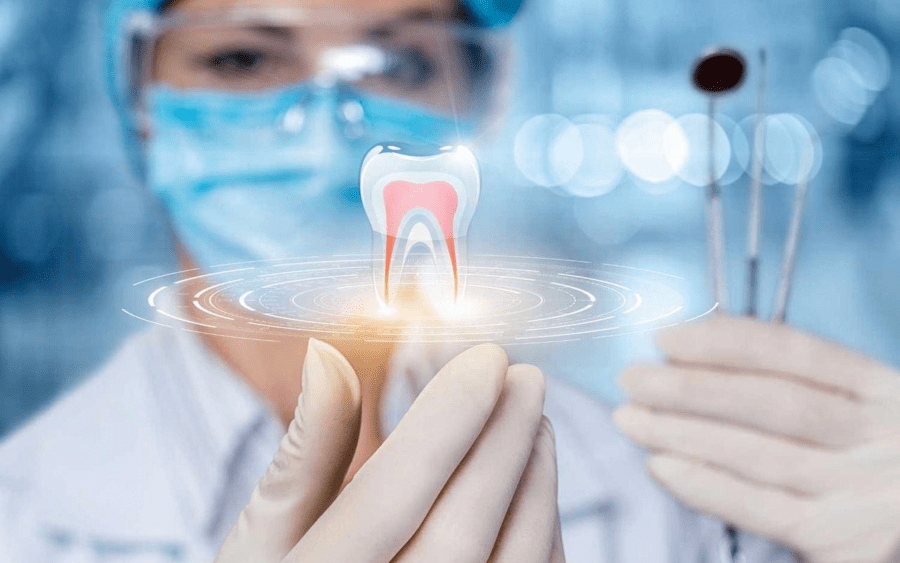
“Dental diseases may be prevented through oral health promotion, the provision of preventive services and the use of therapeutic services. “a state of health in which the teeth and the structures of the oral cavity function normally, absence of disease and pain.”
Why is Dentistry an Essential service?
Dentistry is an essential healthcare service because it is an integrated part of our health and well-being. It is therefore a critical aspect of primary health care, prevention and the wider health system. Dental disease, such as cavities, infections and tooth decay, can be prevented through promotion. Also with the provision of preventive services such as regular oral health assessments and treatment.
When dental disease occurs, it can be treated through therapeutic services, including restorative care, extractions, procedures and dental implants, as well as dental education. Since oral health is linked to overall health, dental disease can lead to serious health complications, including heart disease and diabetes.
Challenges in Dentistry?
The inclusion of oral health in universal health coverage is part of a wider challenge to ensure that oral health is adequately addressed in the healthcare system. This is important because while oral health is an essential part of health, many countries do not cover health services in their systems. The reasons for this vary. In some cases, oral health services are not seen as essential care. In others, poor oral health is linked to poverty and poor living conditions, including limited access to good nutrition, safe drinking water and hygiene. There are also significant barriers to accessing oral health services, including a lack of awareness about oral health, the availability of services. Whether or not individuals have the means to access them and cultural attitudes and practices.
Challenges in 2022 Dentistry | Dental Services
Challenge #1 – The COVID-19 Pandemic
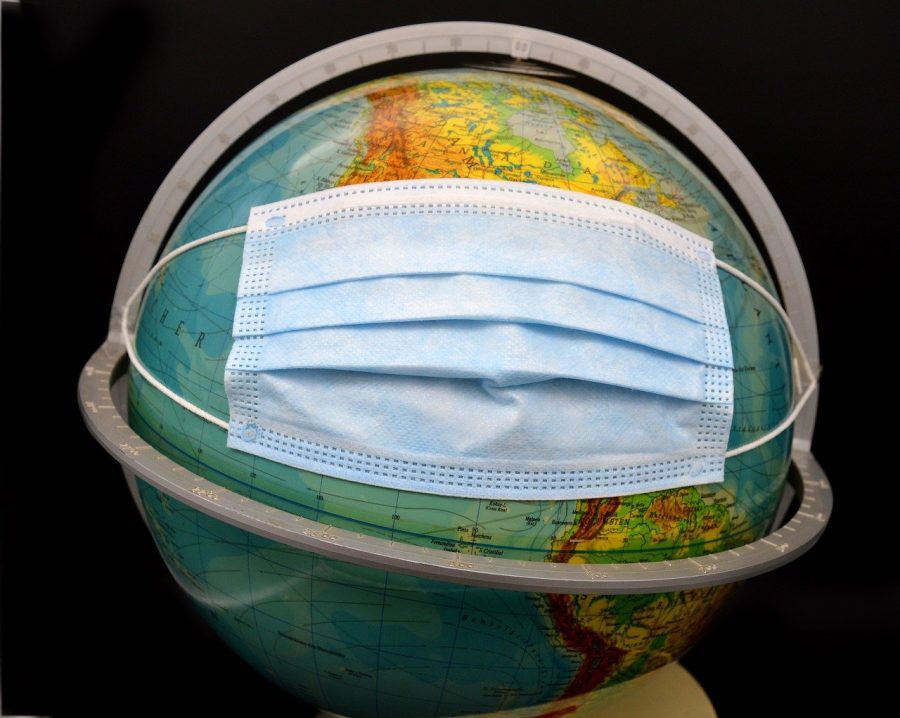
Going to the dentists has never been more challenging than in the past year. Because of the coronavirus and its transmission model, patients have become the main source of infection for dentists. It is well known that the mouth and throat are the most common place for virus to multiply, which is why we’re wearing masks.
Challenge #2 – Student Loan and Cost of Private Practice
It is no secret that medical and dental care students come out of college with an incredibly high student loan debt. And, for the majority, the debt can create a lot of issues and cause decades of stress and financial burden.
Challenge #3 – Finding New Patients for dental services
Now, even if a dentist has managed to go through all the financial issues and managed to open a private practice, there is still a major challenge to overcome; finding new patients.
Challenge #4 – Time Management and Client Care
Let’s imagine that a new dentist has managed to overcome the challenges of acquiring new clients. What would be their new challenge? Time management and the need to provide everyone the same quality care would be the answer.
Challenge #5 – Staying Ahead of The Competition
Alongside all of the aforementioned challenges, each dentist needs to always be better than the competition in order to keep and acquire patients, and possible investors.
Conclusion
Dentistry is an essential part of health and well-being, as well as being an integrated part of primary health care. Therefore, including oral health services in universal health coverage is a critical step toward achieving health equity. The health sector, civil society, governments and others must work together to overcome barriers to improving oral health. They must also have access to oral health services. There must be a shared understanding of the need to address oral health, and those involved in delivering oral health services must be supported to do so.
We must also work to address the wider determinants of oral health, including poverty, poor living conditions and limited access to care. We must act now to ensure that oral health is adequately addressed in universal health coverage. Also that every individual has equitable and affordable access to essential dental services.
FAQs
1. Why is dentistry considered essential health care?
Dentistry is considered essential health care because it helps prevent, diagnose, and treat oral diseases. Dental care can support healthy teeth, gums, jaw function, infection control, nutrition, speech, and overall wellbeing.
2. Is dental care only needed during pain?
No, dental care is not only needed during pain. Many dental problems such as cavities, gum disease, plaque build-up, and early infection may start silently. Regular dental check-ups can help detect problems before they become serious.
3. How is oral health connected to overall health?
Oral health is connected to overall health because the mouth can show signs of infection, inflammation, nutritional deficiency, and some systemic health concerns. Poor oral hygiene may also increase the risk of gum disease and dental infection.
4. What dental services are important for prevention?
Preventive dental services may include dental check-ups, professional cleaning, oral hygiene guidance, fluoride advice where needed, gum evaluation, cavity screening, X-rays, and early treatment planning.
5. Can delaying dental treatment make problems worse?
Yes, delaying dental treatment may allow small dental problems to become more serious. A small cavity may become a tooth infection, bleeding gums may progress to gum disease, and missing teeth may affect chewing, bite, and jaw balance.
6. What dental problems should not be ignored?
Tooth pain, swelling, bleeding gums, pus, bad breath, loose teeth, broken teeth, mouth ulcers that do not heal, jaw pain, and difficulty chewing should not be ignored. These symptoms may need dental evaluation.
7. How often should patients visit a dentist?
Most patients should visit a dentist regularly for check-ups and cleaning, but the exact timing depends on oral hygiene, cavity risk, gum health, medical history, dental treatment history, and the dentist’s advice.